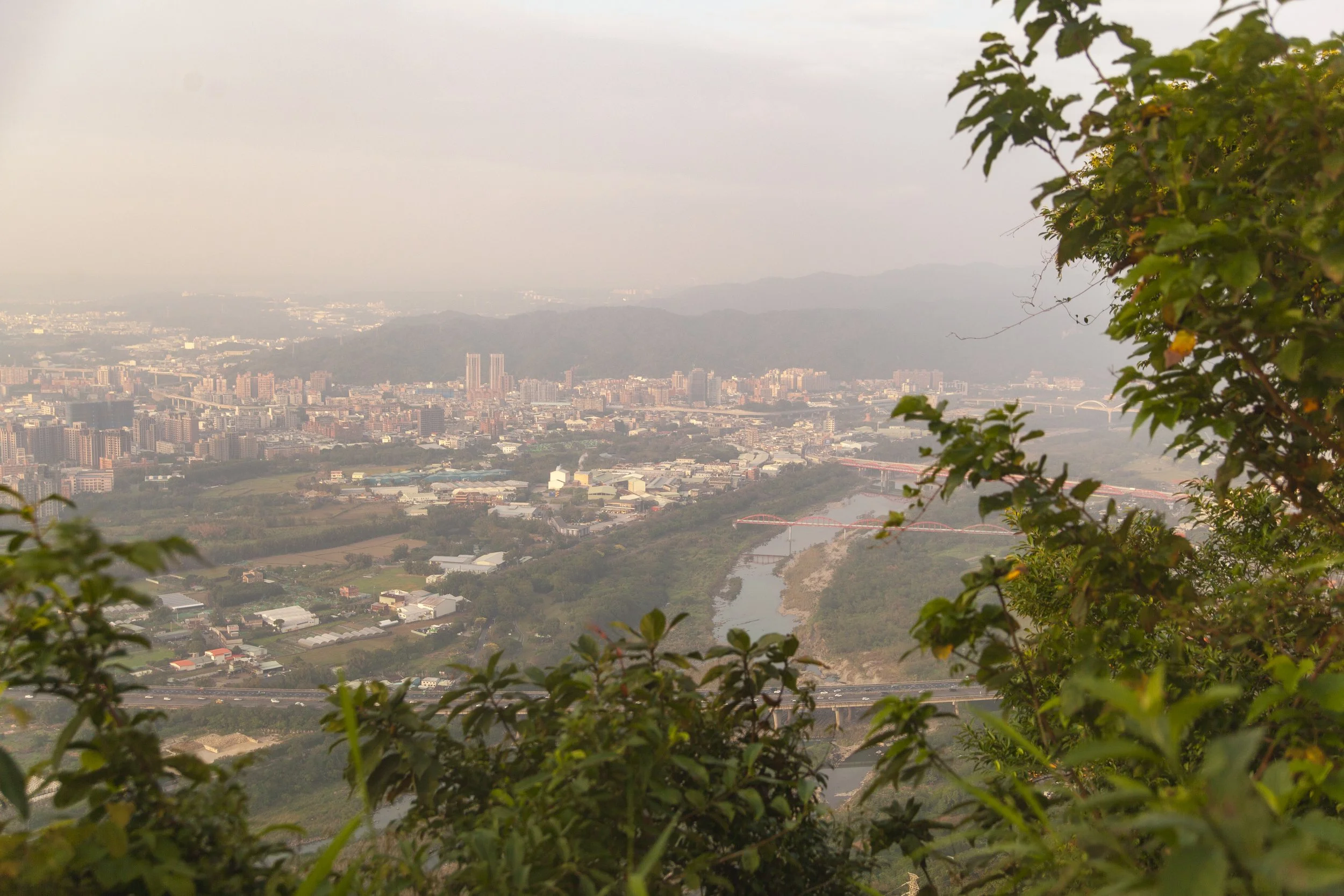
Our view from Treasure Hill Artist Village
From October to December 2024, we had the chance to visit Taiwan for the first time, thanks to a residency at Treasure Hill Artist Village in Taipei.
Our experience started off a bit bumpy - while we had our first tornado experience in Omaha that summer, we also got a typhoon experience in Taipei! In fact, within our first week at the Treasure Hill Artist Village, we found ourselves in lockdown for just a day, experiencing one of the strongest typhoons that the country has ever recorded at this late time of the year.
Typhoon aftermath
It was very surprising for us, initially extremely ignorant of the history of colonization that has marked the island, to find such a strong influence of Japanese culture, including copious amounts of omiyage. The residency organized various cultural fields trips at institutions in the city, and these topics of architecture, colonization, legacy from the Japanese period and the white terror are all very present. They were also the focus of research of many of the fellow residents of ours, who were mostly exchange artists from Korea, Japan, and Canada.
The village where we resided is called Treasure Hill and is nestled between the Xindian river and in Gonguan district. It is one of the two residency locations of the residency organization, but the other one had recently closed its doors. The village has a remarkable history, being on a hill with a river view and a labrynth of alleyways. The origin of the village is connected to the military, and after the Second World War the location basically became a squat, with people building their ad hoc shelters and family homes. Only in recent decades have the residents gained the support of the government to become a community officially, that still has to prove its historical value by holding tours, welcoming tourists, renting out spaces for exhibitions, and hosting local and visiting artists. We also had the chance to visit two other nearby villages that share a similar story, where residents also meet for regular tea and karaoke nights.
Finnish architect Marco Casagrande found that this settlement, perhaps because of its illegal and marginal status, has evolved organically to operate according to an ecological model: recycling and filtering grey water, using minimal amounts of electricity (“stolen” from the city grid), composting organic waste, and repurposing Taipei’s waste. (cit)
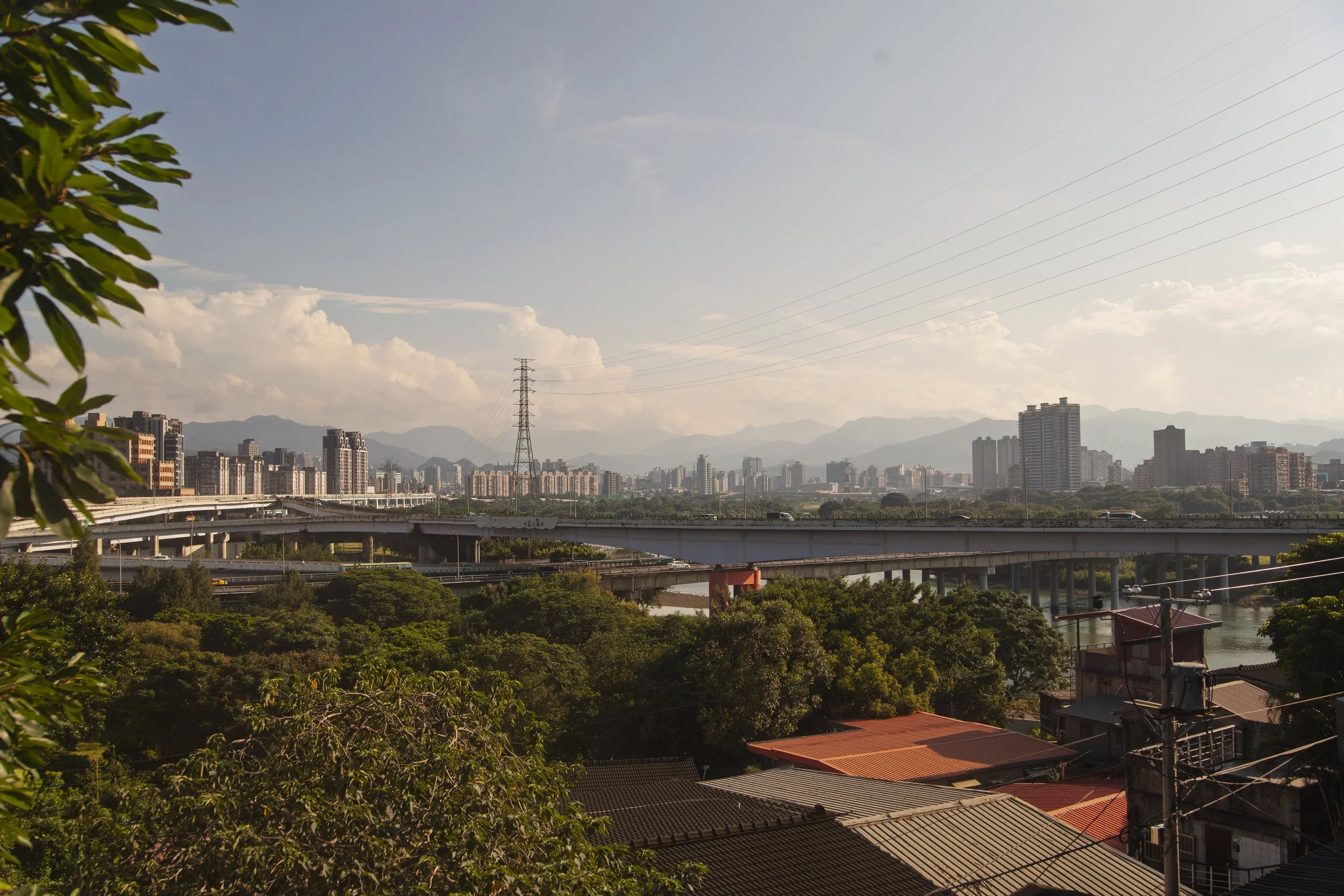
The view from our studio!
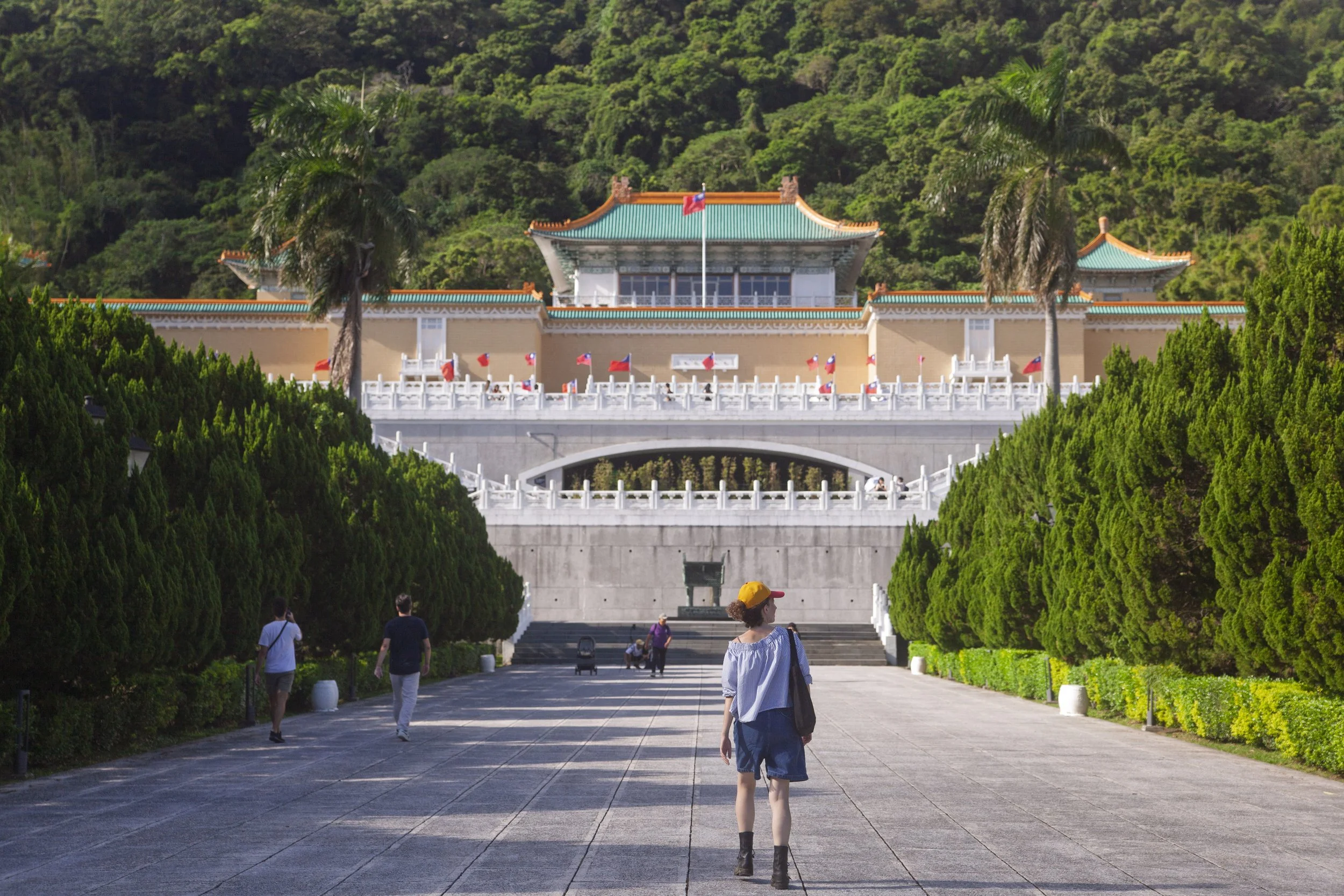
One of our favorite activities throughout the resident was biking, because with a single card you can rent bikes so easily all over the country (and pay for trains and buses alike). With the bikes we could get on the paths that follow the rivers in Taipei, and on a weekend we soon decided to cycle all the way to the Palace Museum, where I was eager to witness the famous cabbage and meat stone carvings (in this specific case, the cabbage one was exhibited as part of a temporary exhibitions dedicated to the jewelry brand Van Cleef & Arpel). Other outings included the walking tour of the National Taiwan Museum, the Kuandu Museum, and the Tfam exhibitions. Often at all these cultural institutions we would be surprise to see how the vast majority of administrators and workers are women, and we have been wondering if it is maybe linked to a certain understanding of public work or maybe linked to the value of military service, that has been recently extended from 4 months to an entire year.
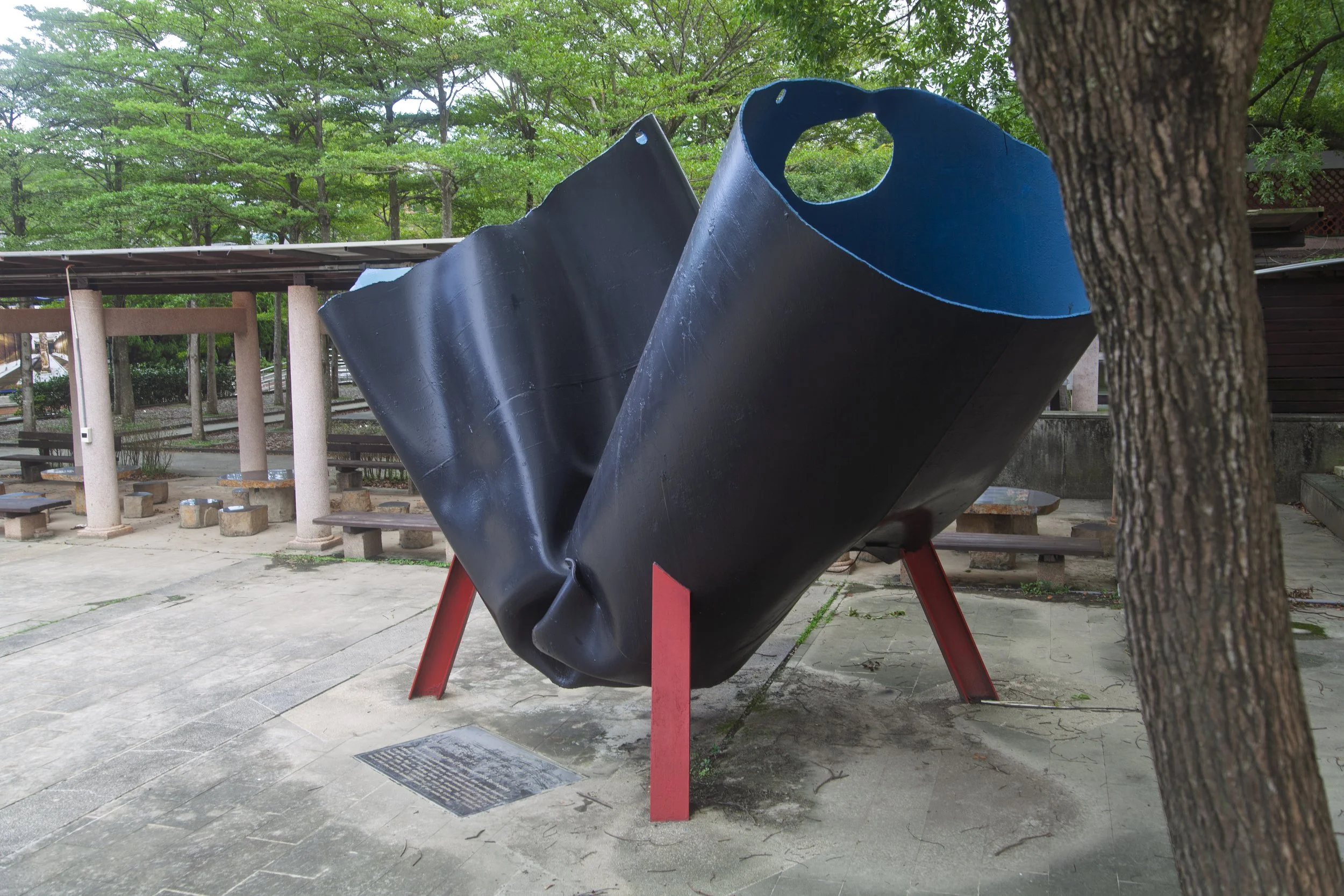
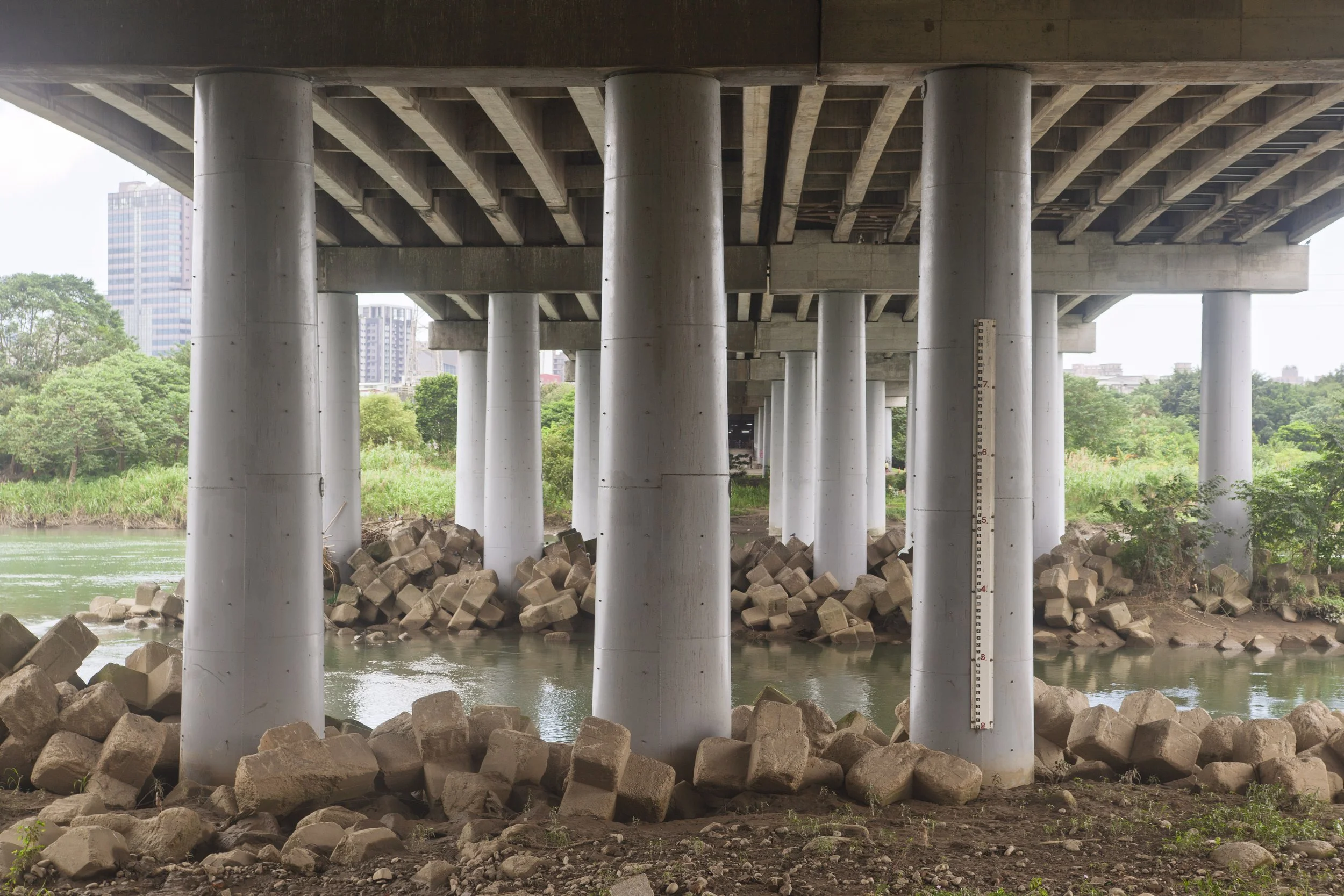
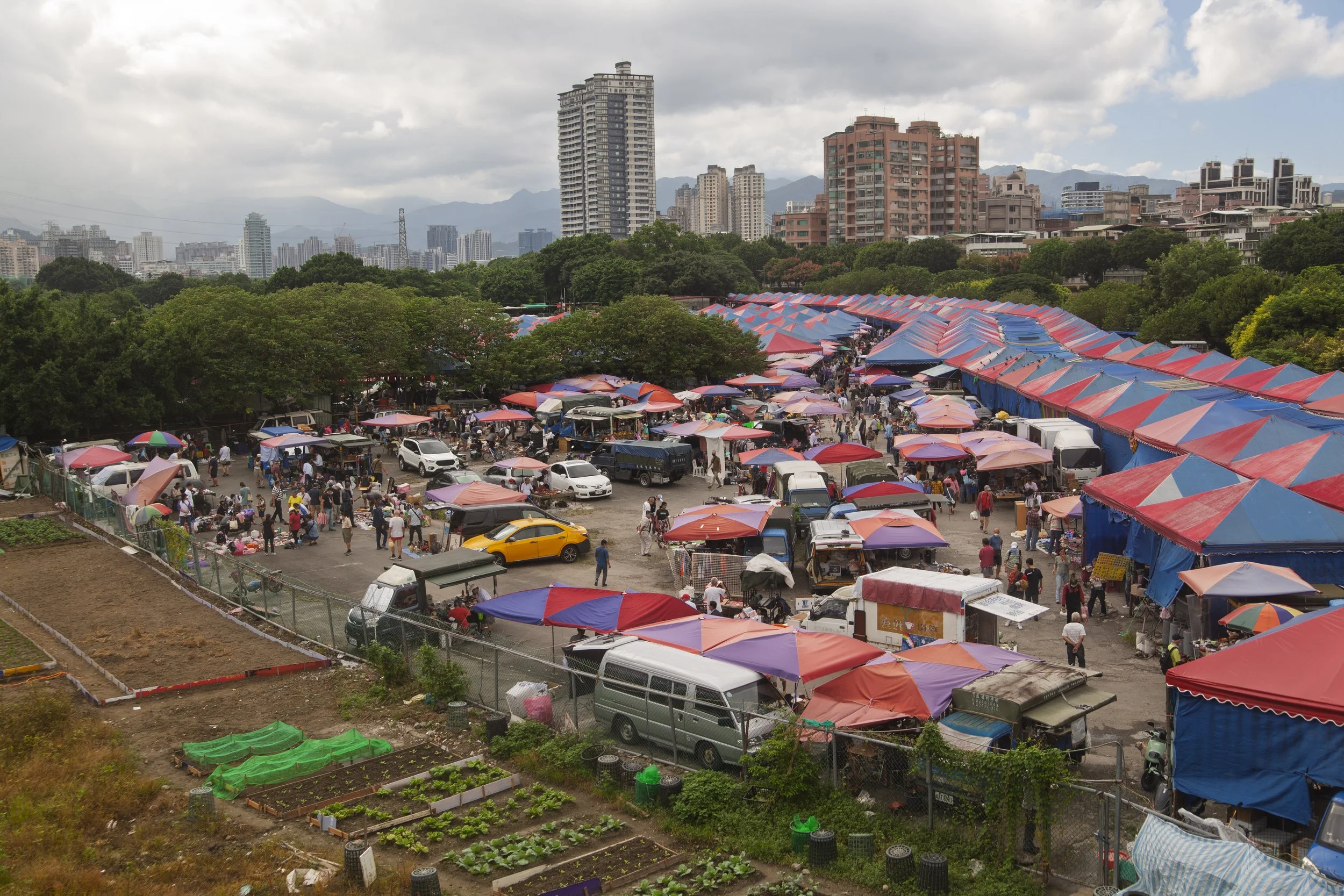
We soon started to attend concerts, including an ambient/modular marathon as part of the series Silence Touch at the C-lab, a night at Senko Issha more focused on improvisation, and a beautiful performance of the well known artist Fanjui Wang as part of his solo exhibition at Project Fulfill Artspace. He has been teaching for multiple decades at the Department of New Media Arts, Taipei National University of the Arts.
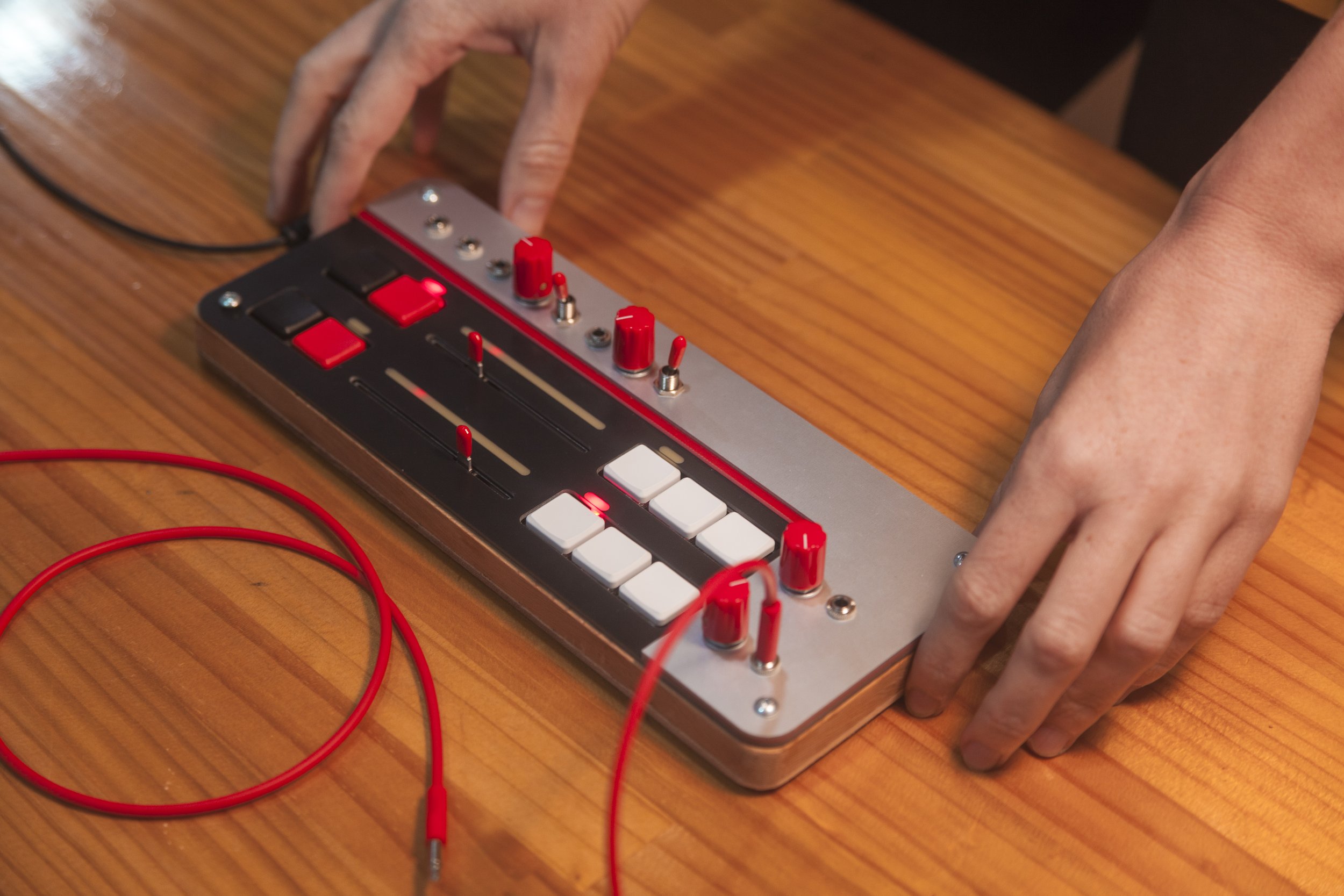
Our new looper
Soon our performance activities picked up as well: we performed at a concert as part of the series Outer Pulsation organized by Jared Xu in the underpasses of the city, and we started researching the local music traditions, including Hakka musical instruments, and more unusual phenomenon: we got in touch with Dr. Tasaw Hsin-chun Lu at the NTNU, expert in Burmese music and in the music of the Burmese immigrants now rooted in Taipei, who kindly welcomed us to a rehearsal session making use of the Hsaing Waing ensemble instruments which belonged to her master and that she got shipped from Myanmar. We also conceived and started sourcing everything we needed for building a looper, that would be basically a digital embodiment of a Frippertronics set up. For this, we commissioned an artist from the village who works with wood and paper cutting to make a simple enclosure, and we were so happily satisfied when we received a beautiful box with traditional joints and made out of reclaimed hinoki (also called Taiwan cypress). This kind of wood is highly sought after because it smells so good, and when we later visited Hualien we found out that it is very common for people to roam the beaches after a typhoon with maybe a knife, looking for drift wood and cutting it a bit to make sure that it is that kind of prestigious wood, before taking it home and maybe selling it. From our new friend 陳治旭 we also found out a lot about life on Matzu Islands, which are a small archipelago very close to Fukui, and in fact a stop over for ferries between Taiwan and Fujou, but mainly a military enclave which has unique architectural traditions, especially linked to an indigenous use of wood and stone for building houses.
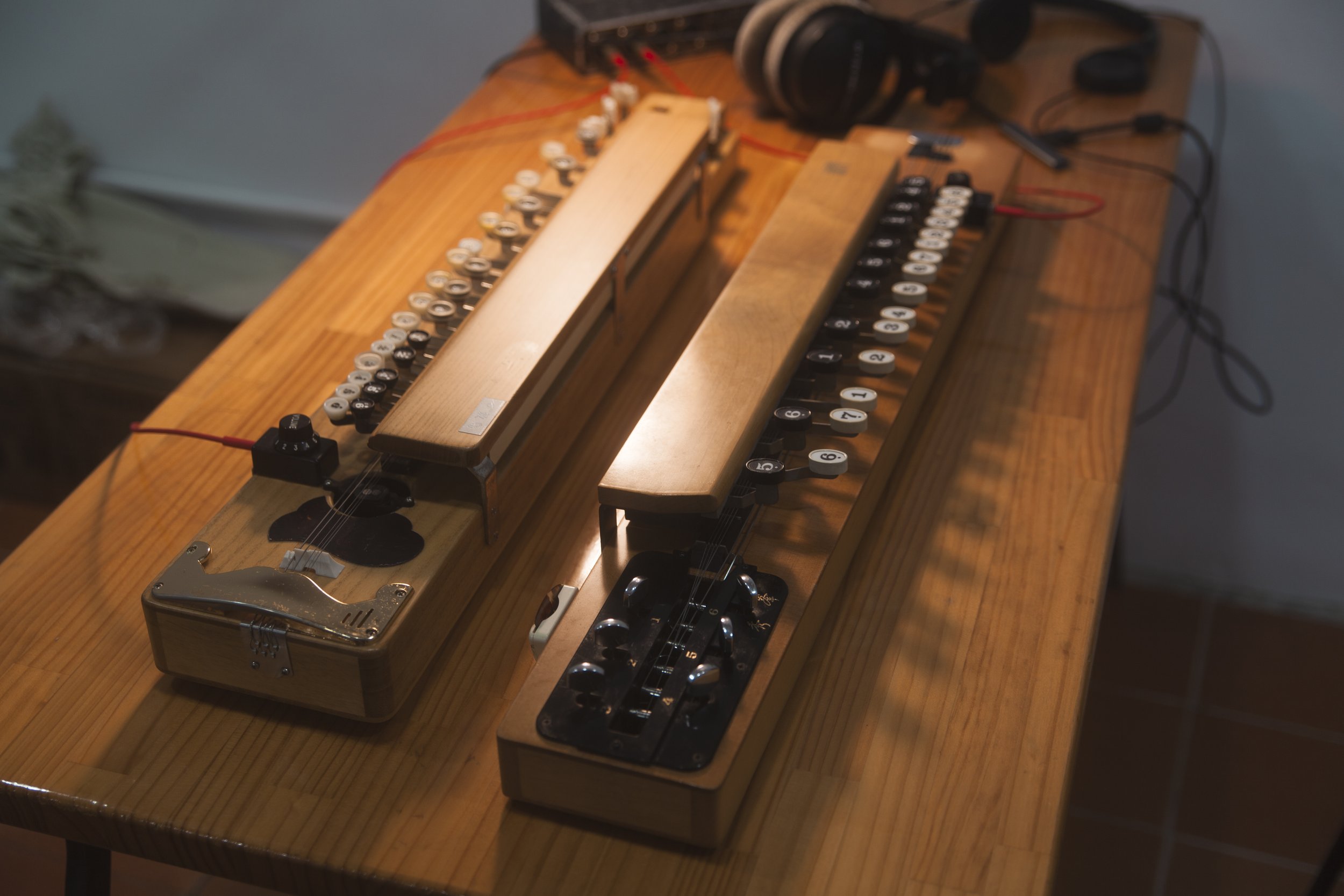
Almost-twin second-hand taishogotos
Our instrument research soon landed on a special string instrument that carries also keys that look like a typewriter: the story of the taishogoto sparked our interest because it connects to the Japanese colonial period and lingers a bit here and there in Taiwan too. After some scavenging online, we managed to take hold of a couple of them, and we started writing new music based on their features.
We also ventured into New Taipei (which is the more modern part of the city across from the river), into the workshop of a drum maker, and we came back with one gong, soon coupled to another one from the Fuhe flea market.
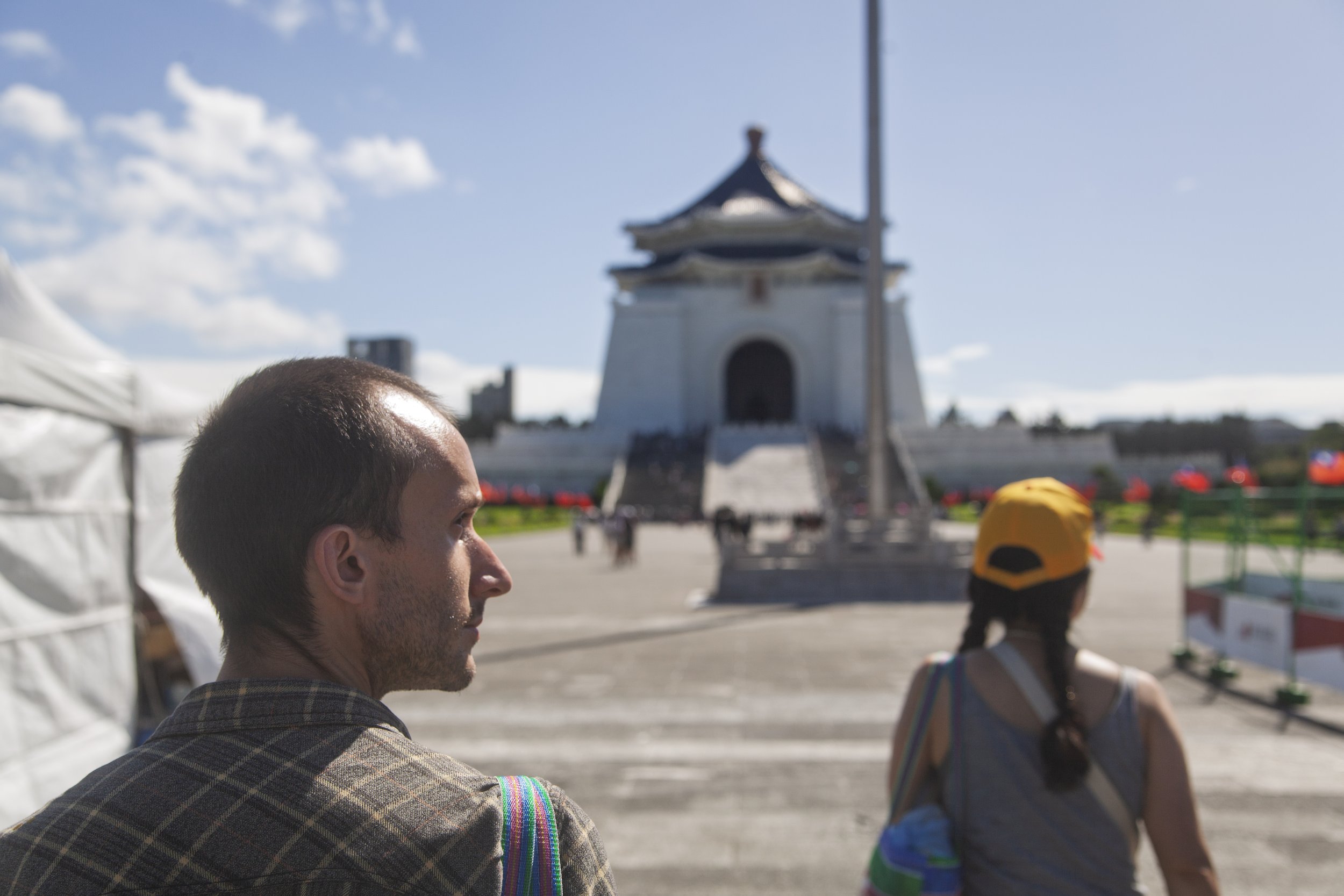
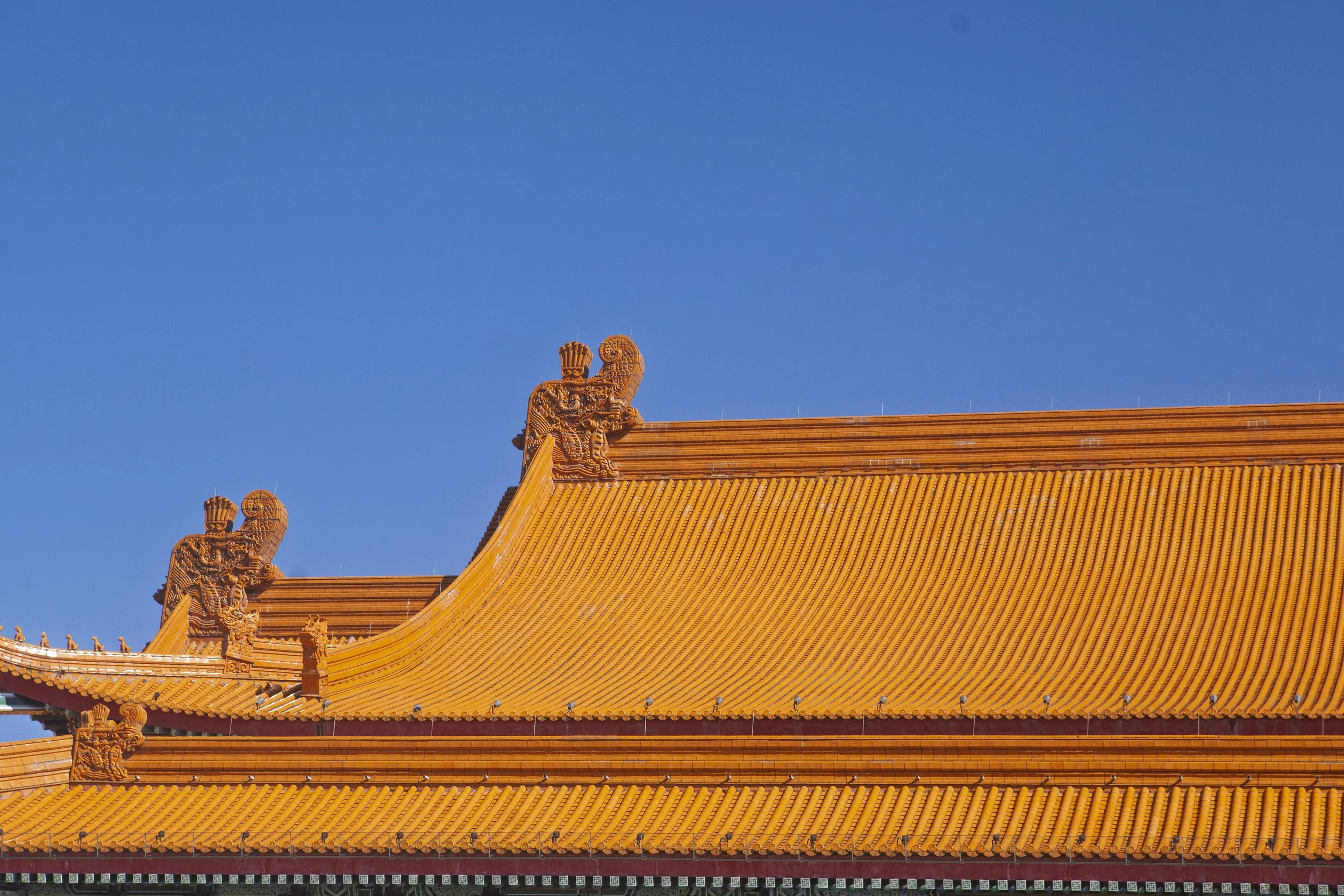
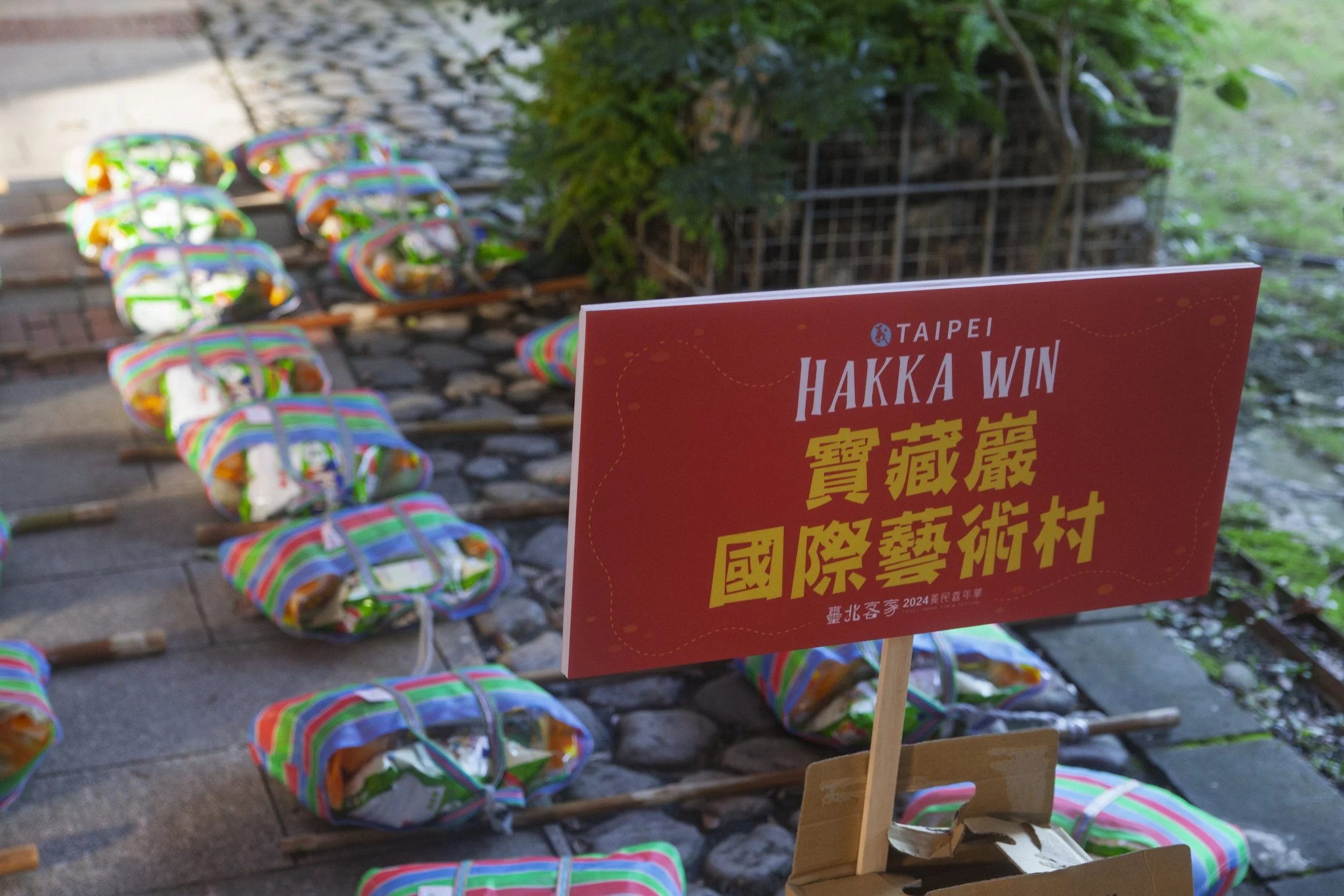
In Taiwan there are various ethnic groups, one of which are the Hakka people, and one a Sunday we joined the rice pole carrying festival of the city with the residency; funnily enough, the pilgrimage that spanned from the Hakka Cultural space to the Chang Kai Sheck Memorial Hall did not stop the traffic; it would have not been a particularly remarkable event, if it wasn’t for the Beijing duck lunch that we were offered soon after! It is hard to fully understand the complexity of the Taiwanese social fabric for us, as there are so many ethnic groups: ‘16 tribes officially recognized indigenous tribes in Taiwan. These tribes are collectively referred to as the Gaoshan People. However, there are also an additional 13 tribes, known as the Pingpu People or plains indigenous people, who are not officially recognized by the government.’
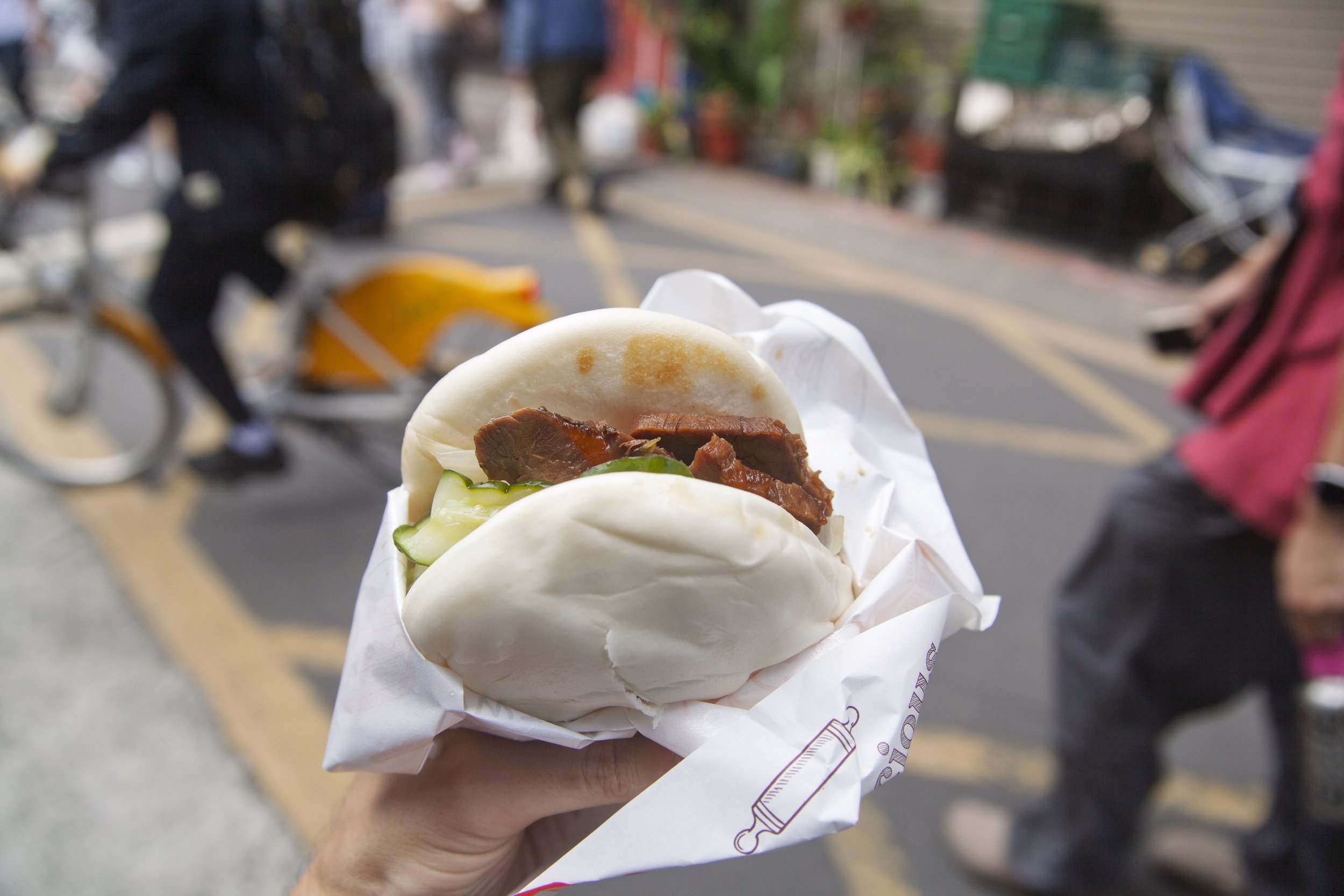
One of the downsides of living in Taipei is that many apartments do not have a kitchen at all, or it is not a well equipped one, so we ended up eating out 95% of the time. And this soon turned out to be an excuse to get our daily dose of sugar, either in the shape of a wheel cake, shaved ice, bubble tea, ice cream wrap with crushed peanuts and coriander, baozi, taro, and so on… One of our favorite spots for lunch Monday through Friday would be the canteen buffet of the nearby university, where we could get also a memorable roast duck over rice for just a couple of dollars. Even making coffee was quite hard in fact, because we did not have a coffee machine at first, and everywhere you would be able to find whole coffee beans but not ground, which is still a mystery for us: does every household in Taipei own a coffee grinder?
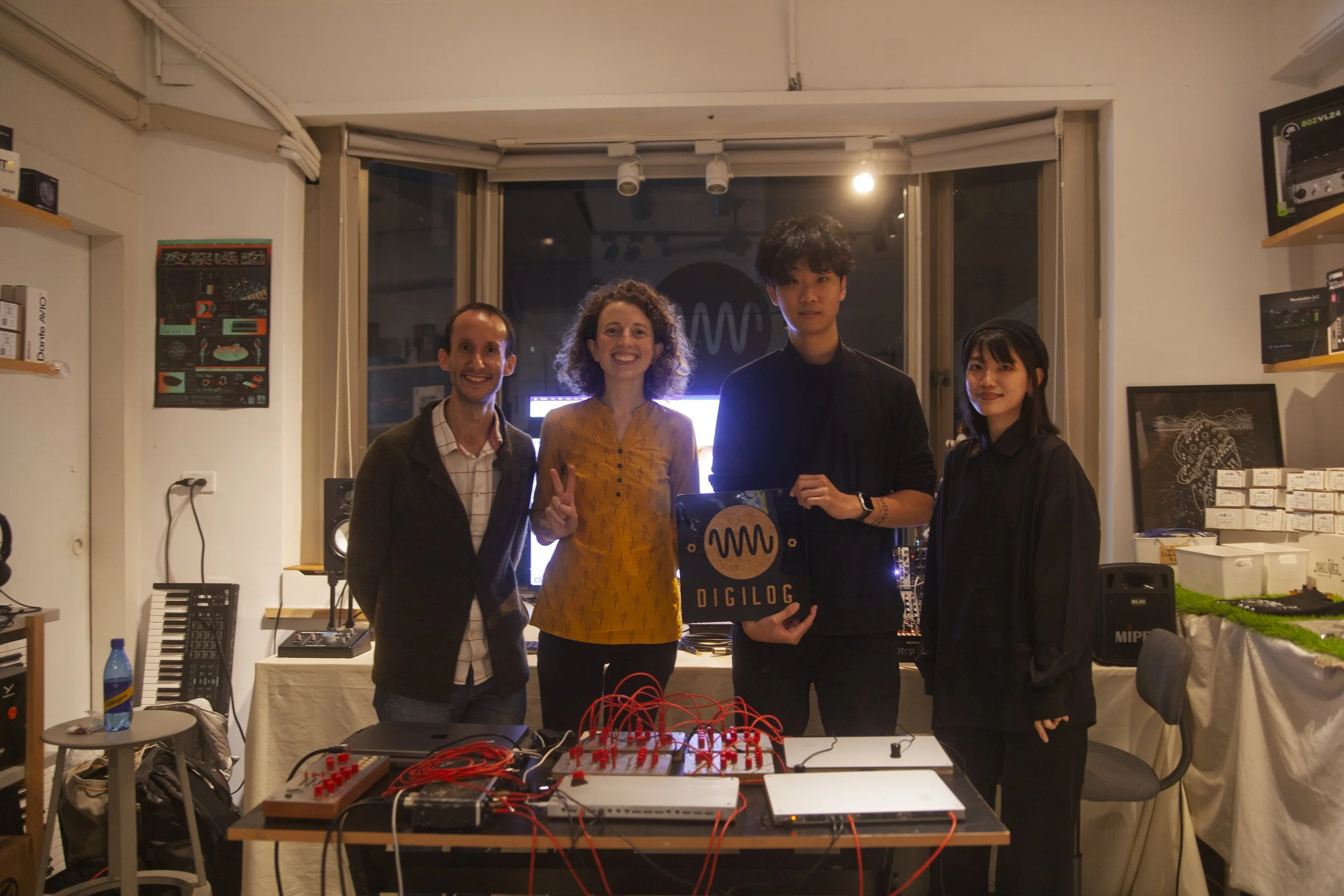
At DigiLog
One of our favorite stops anywhere we go is the local synth shop that often act as catalyst of all the synth nerds of the city; in Taipei, that place is called DigiLog and a couple of lovely people run it, that is Zooey and Deichi. Together with organized a talk during which we presented the Chromaplane and made new connections, including Kweiwen, expert in AI as much as second hand vinyl shops. And we had the chance to see some older friends too in Taipei: Joao and electronic guy, who we had the pleasure to see play as part of a dance production at the national theatre hall; Blaise, who was also in residency at the Kio-A-Thau Sugar Refinery Artist Village in the south of the island; Stella from the Casino Luxembourg who brought in artists from Luxembourg to take part in the sound festival called Sonic Shaman, a two day event curated by Cube Space.
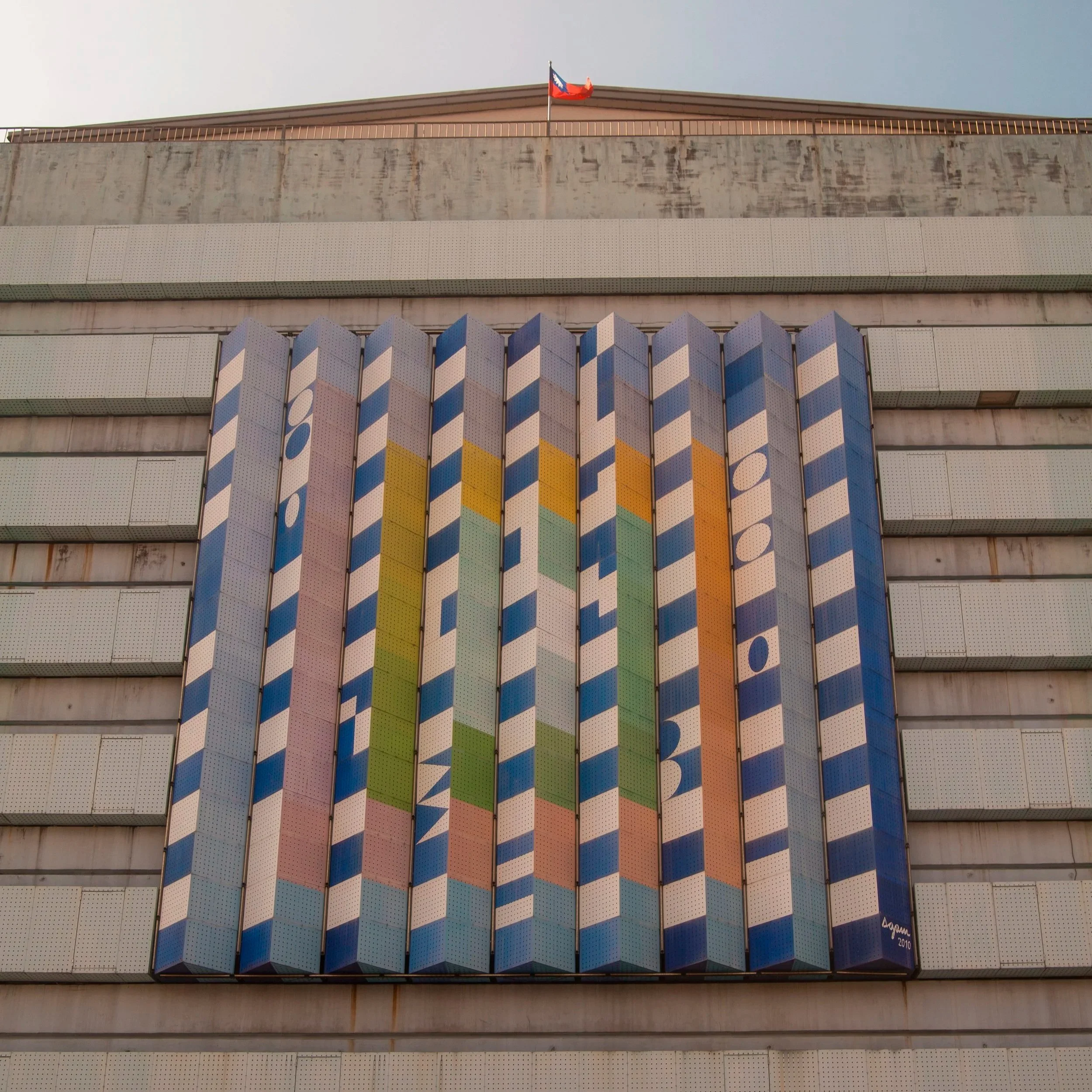
The Shuiyuan Market in Gongguan
In mid November already Christmas decorations started taking over the public space of the city, with Christmas trees, and many light installations everywhere; this is clearly an interesting addition to the already syncretistic landscape of religious and spiritual believes of the Taiwanese people. Other favorite spots of the city for us were: the textile market; the jade market; the shop where you can make your brush with your own hair; the tea shop where you can buy the Taiwanese excellent tea from the top of the mountain.
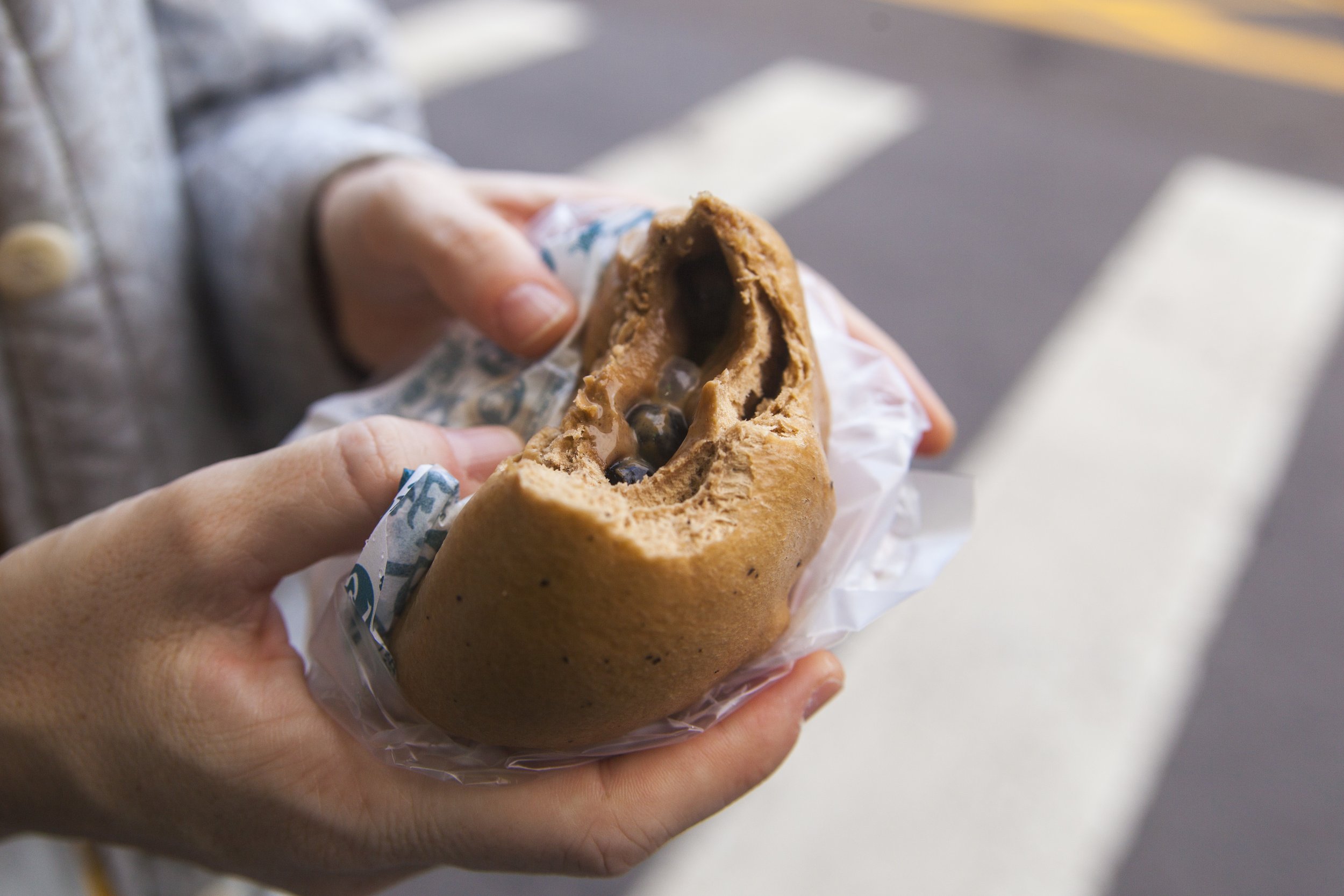
Boba peals-filled bao
Our first trip outside of Taipei was a train ride to Hsinchu, a city with a very different vibe, where we shared a concert with a visiting Japanese musician, who introduced us to the Korean poncho music box. We tried in Hsinchu also a bun with bubble tea and pearls in it. The city is otherwise famous for its rice noodles and the pork buns, easy to find in particular at the market around the main temple.
Our next trip took us all the way to the south where Ruben lives, a German artist friend of ours. Through the plain explanations of Ruben we learnt a lot more about Taiwan. We learnt why every shop always eagerly forces you to accept the receipt when you buy something (with the receipt ticket you also receive a number that allows you to participate in the national lottery), we learnt about the corruption of the politicians in charge in the region; we visited the stone museum that gave us a full picture of the quarry and serpentine history in Hualien; but maybe most importantly, we learnt about fandian, without a doubt our most favorite breakfast item, that is by default youtiao, pork floss, and greens and maybe egg all wrapped up in a (various colors) rice ball.
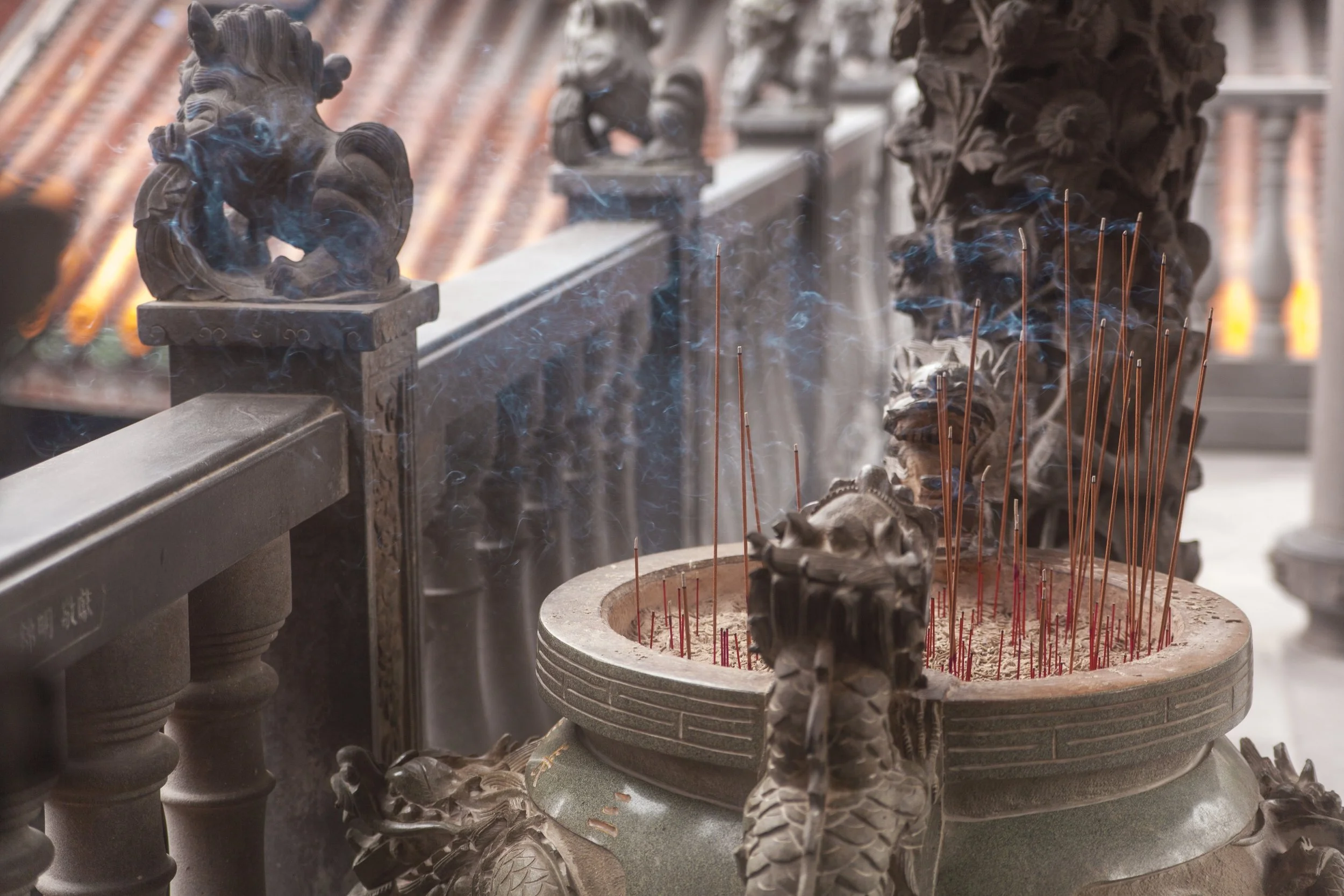
Spending time with Ruben was great fun: we got the chance to live briefly as neighbors of a temple, with all the incense pollution that it entails; and to live in a very small town called Fenglin, the classic remote town that is just sprouting the first music venue and little cafe bars of young people settling down and trying to make things happen; the area is also strongly connected to the indigenous tribes, that have their own villages like the Taroko tribe, some live more toward the sea and some more toward the mountains. We also got the chance to go on a special hike along the river and to dip our toes in hot springs on the top of a rock. It was interesting to hear that this kind of sights are often reshaped and sometimes distraught by the earthquakes and the typhoons that annually pass through the area.
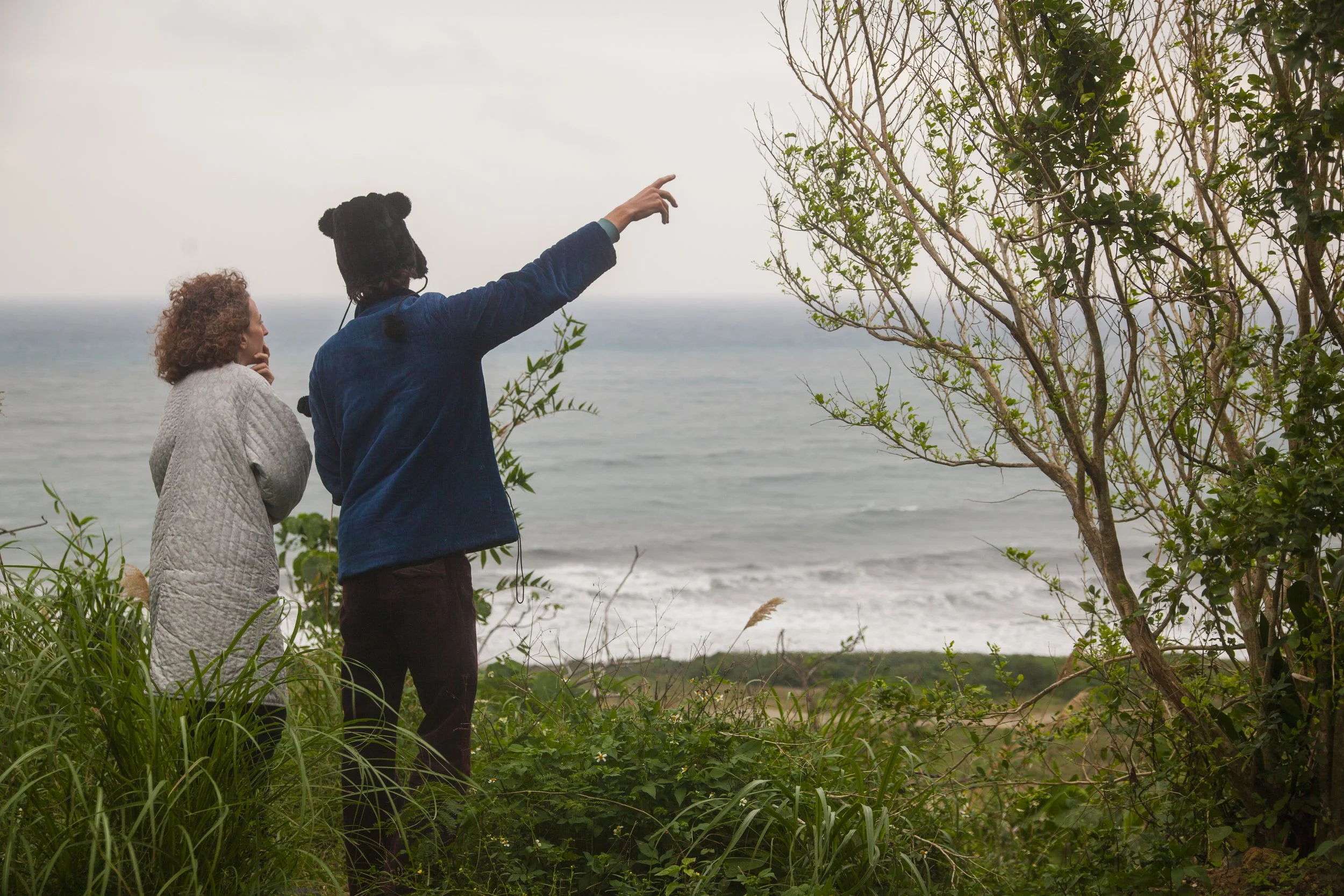
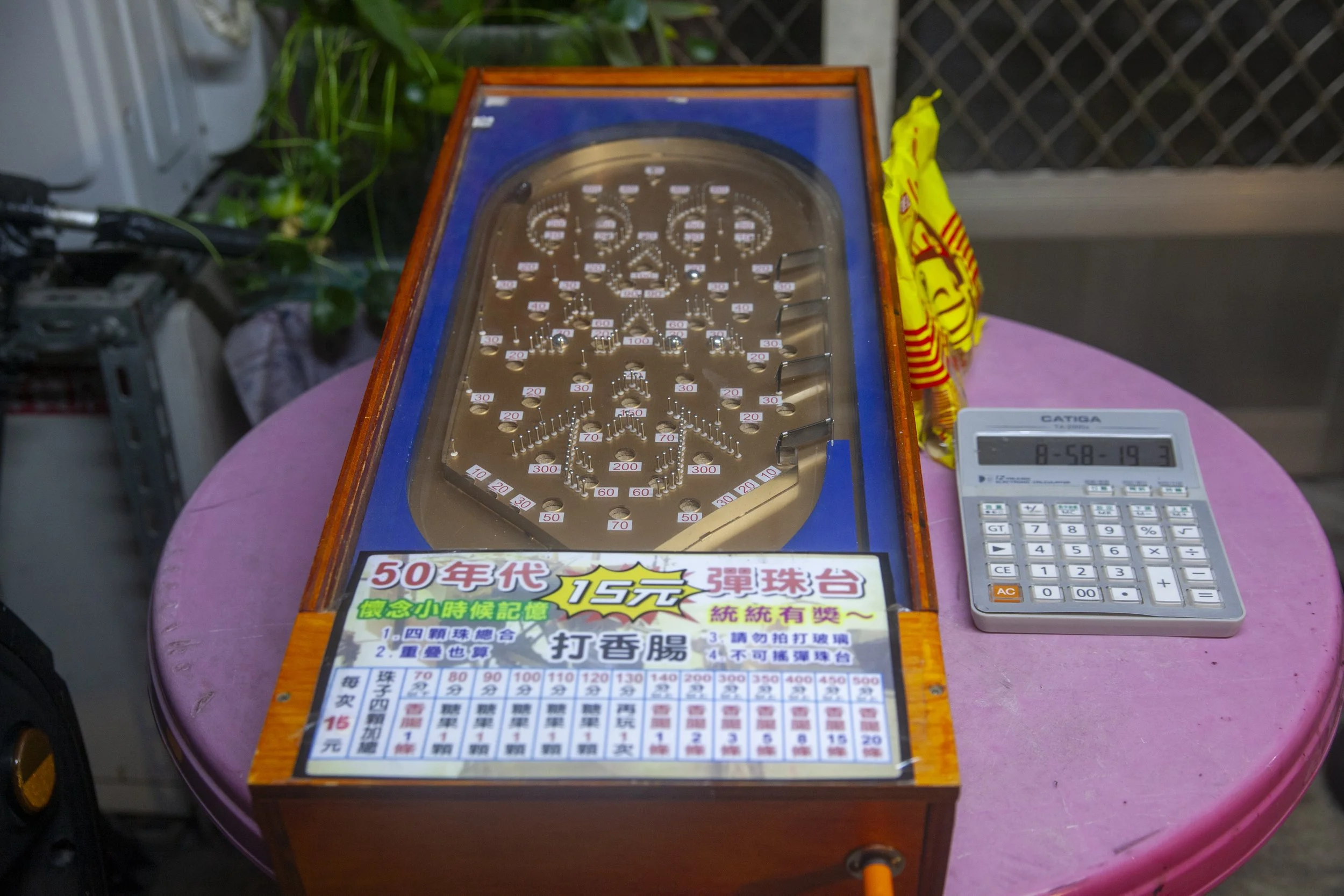
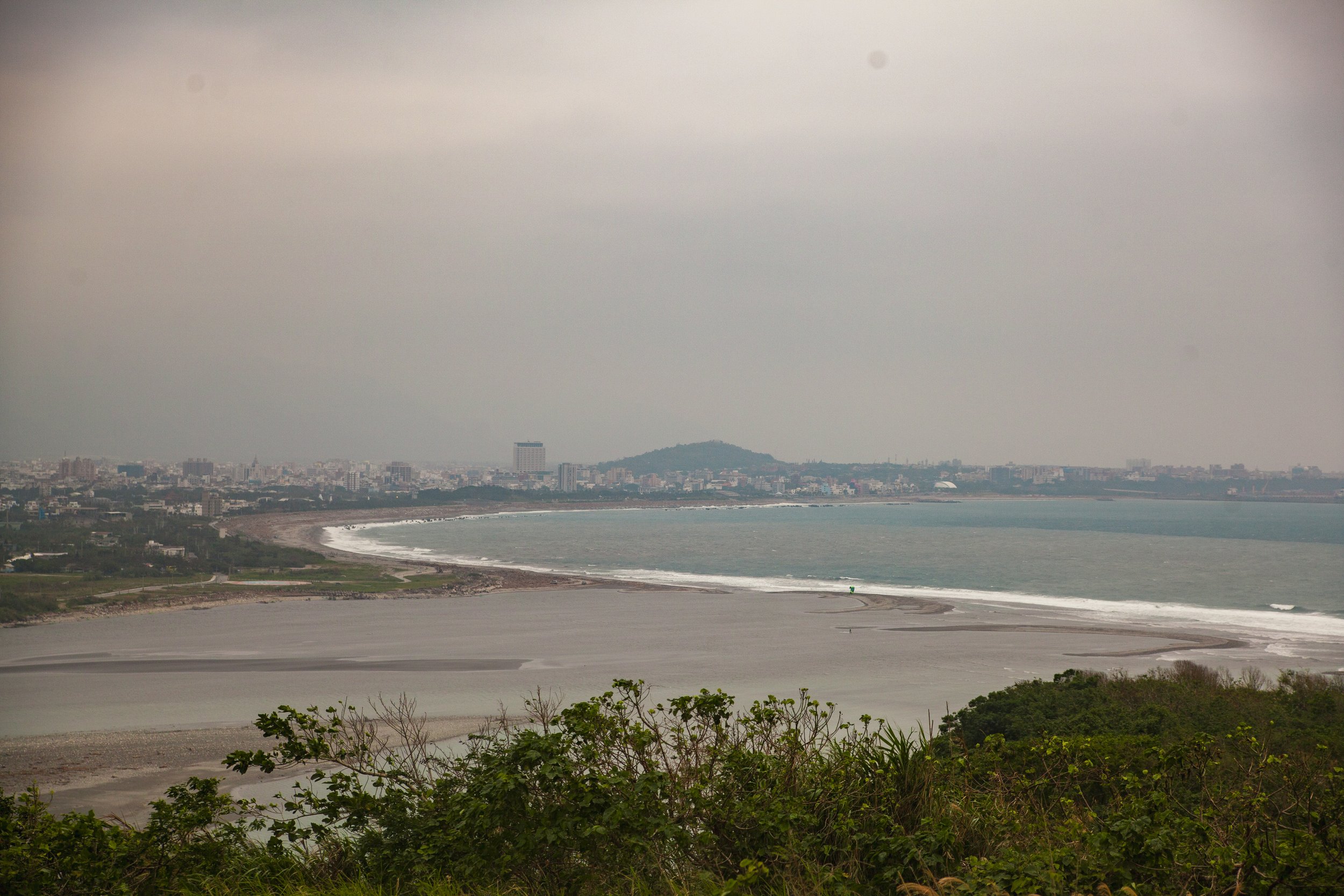
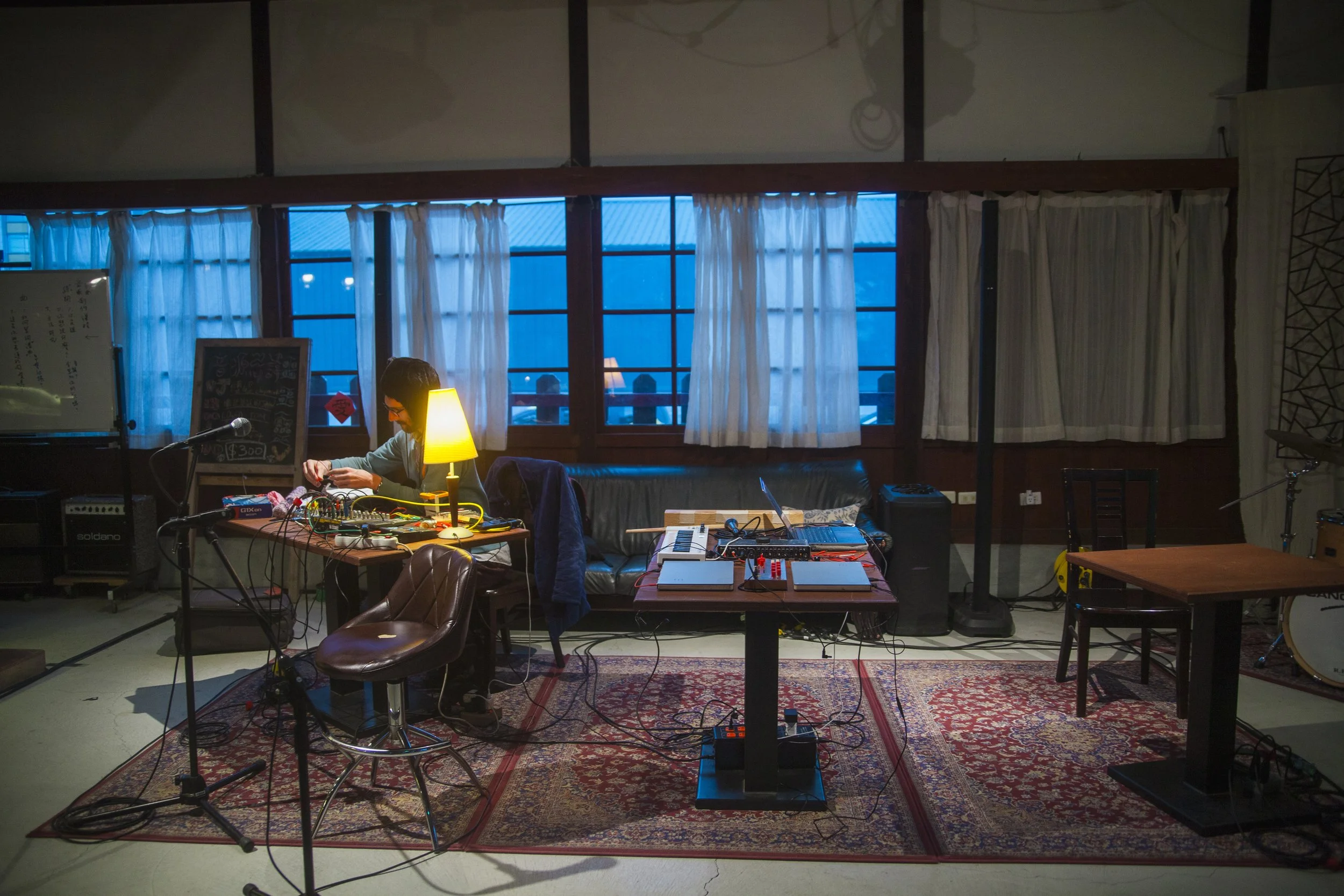
Ruben in soundcheck in Hualien!
We capped the experience with a public concert at the venue of a recording company that is originally from Taitung, an interesting building that used to be an office of the railway station, next to the night market where we got to try out the so called “coffin toast”.
Once back in Taipei, we managed to record a short video of our music featuring the installation work of our fellow resident, Namia Leigh, and we participated in the opening of the residency exhibition before heading for further excursions in Taichung, Kaohsiung and Tainan. Highlights from these trips were: getting to see the Asian Biennial exhibition in Taichung, getting to bike back in the middle of the night from Taipei Main station to the Village passing by a super atmospheric CKS Memorial with lights off, getting to eat stinky tofu in front of a temple after a sunny day; getting to eat Indonesian food in the district outside of Kaohsiung train station which is clearly home to an Indonesian community; discovering danzai noodles. In some way Tainan felt even more Japanese to us, with spoken language that sprinkles in actual Japanese words, with miso soup served for breakfast, with an architecture that is clearly extremely hybrid. Immigration is clearly a very relevant relevant topic in the art scene too, as we found it present both at the exhibition at the art museum in Tainan as much as at the lovely independent Absolute Space. It was also interesting to compare the different resources that had powered local economies across the island, as serpentine and stone was in Hualien and coal and gold mining was in the north, so was sugar and salt in the south west.
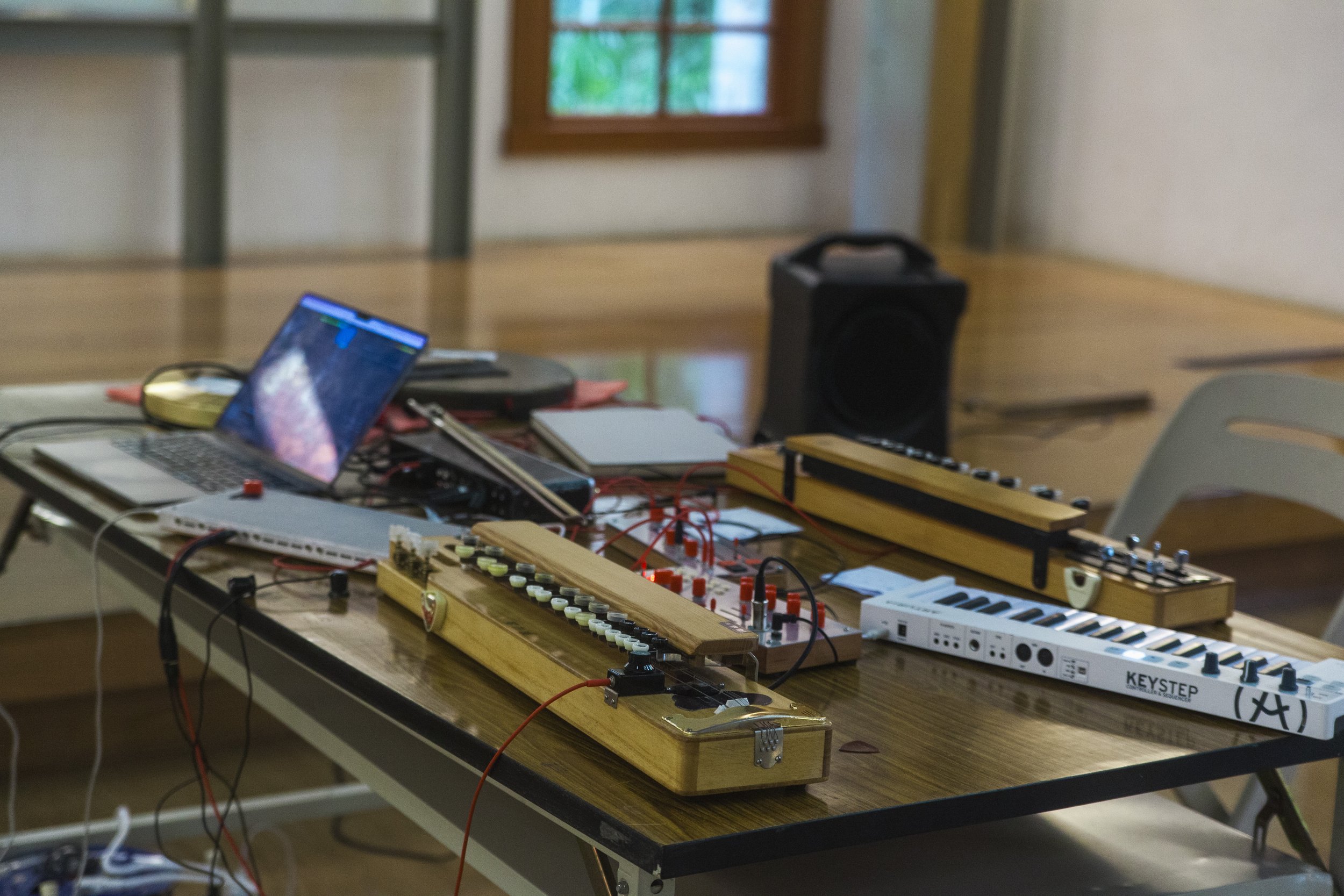
Performance setup at the National Taiwan Museum
Unfortunately, we also got a couple of very gloomy and rainy days, so getting back to Taipei wasn’t tragic after call, and put us in the right mood for preparing the final performance to take place at the Nanmen Branch of the National Taiwan Museum on the day of the winter solstice, which is why we could celebrate right after the gig with sweet and savoury tangyuan, as of tradition, prepared by the generous Phaedra, our coordinator. Our last two performances took place at record stores, one called Vinyl Decision in the Huashan Creative Park (another sort of 798 small district) and one at Senko Issha, concert that we shared with Yu-Li Hsiao who turned out to be a previous student of Fujui, nice coincidences! We talked briefly about his interest in revealing and exploring in performance and installation format the inside functionalities and the bodies of the machines.
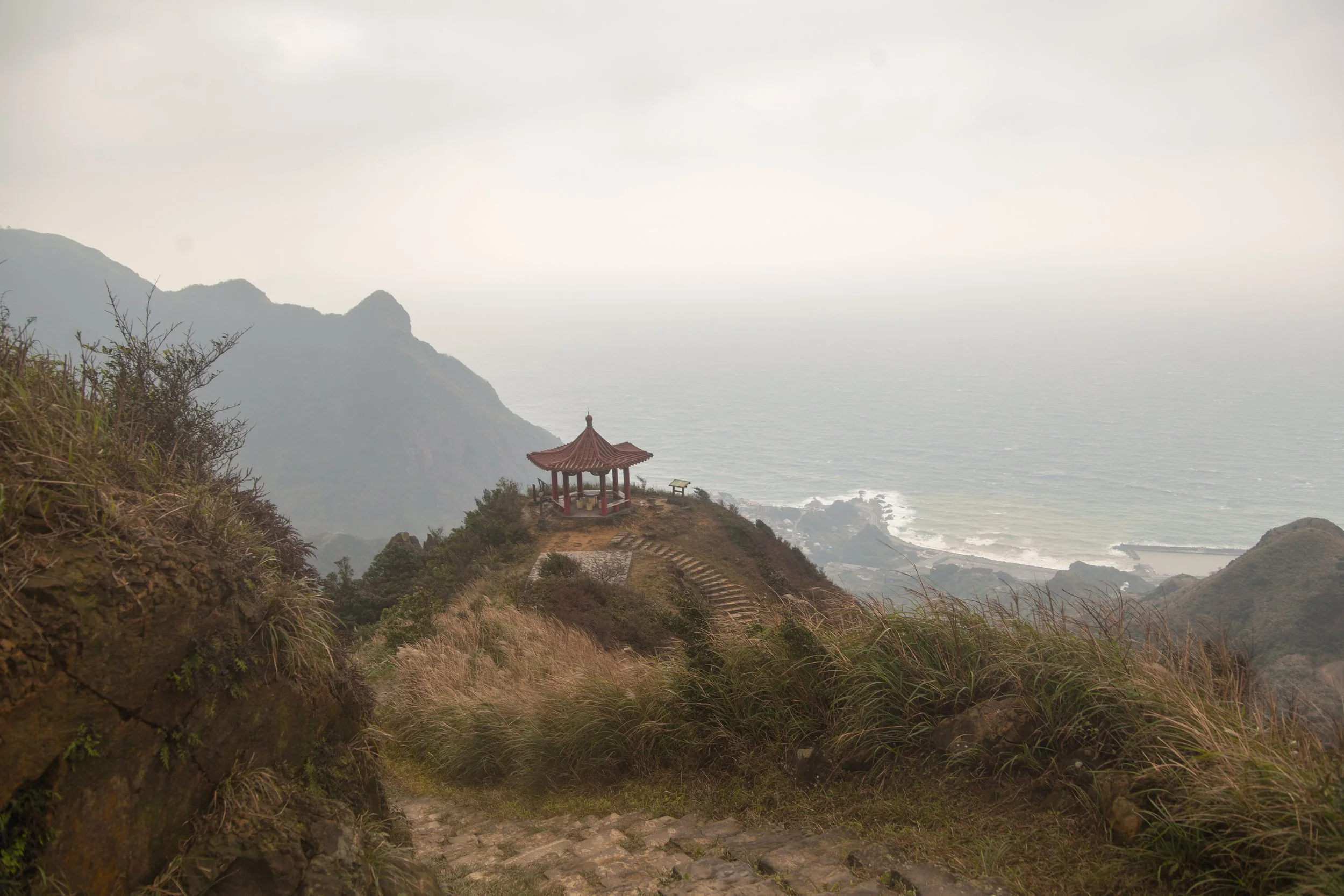
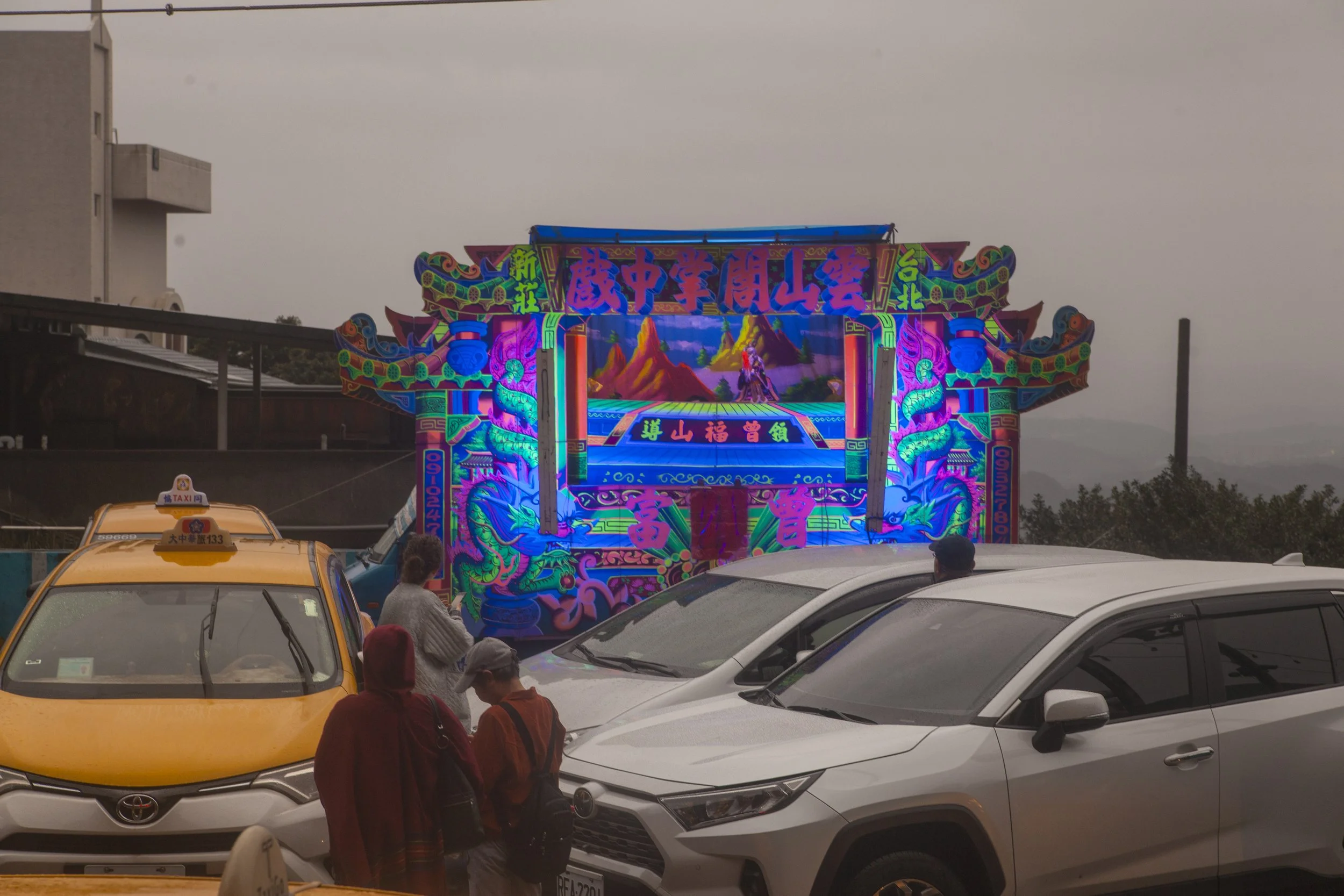
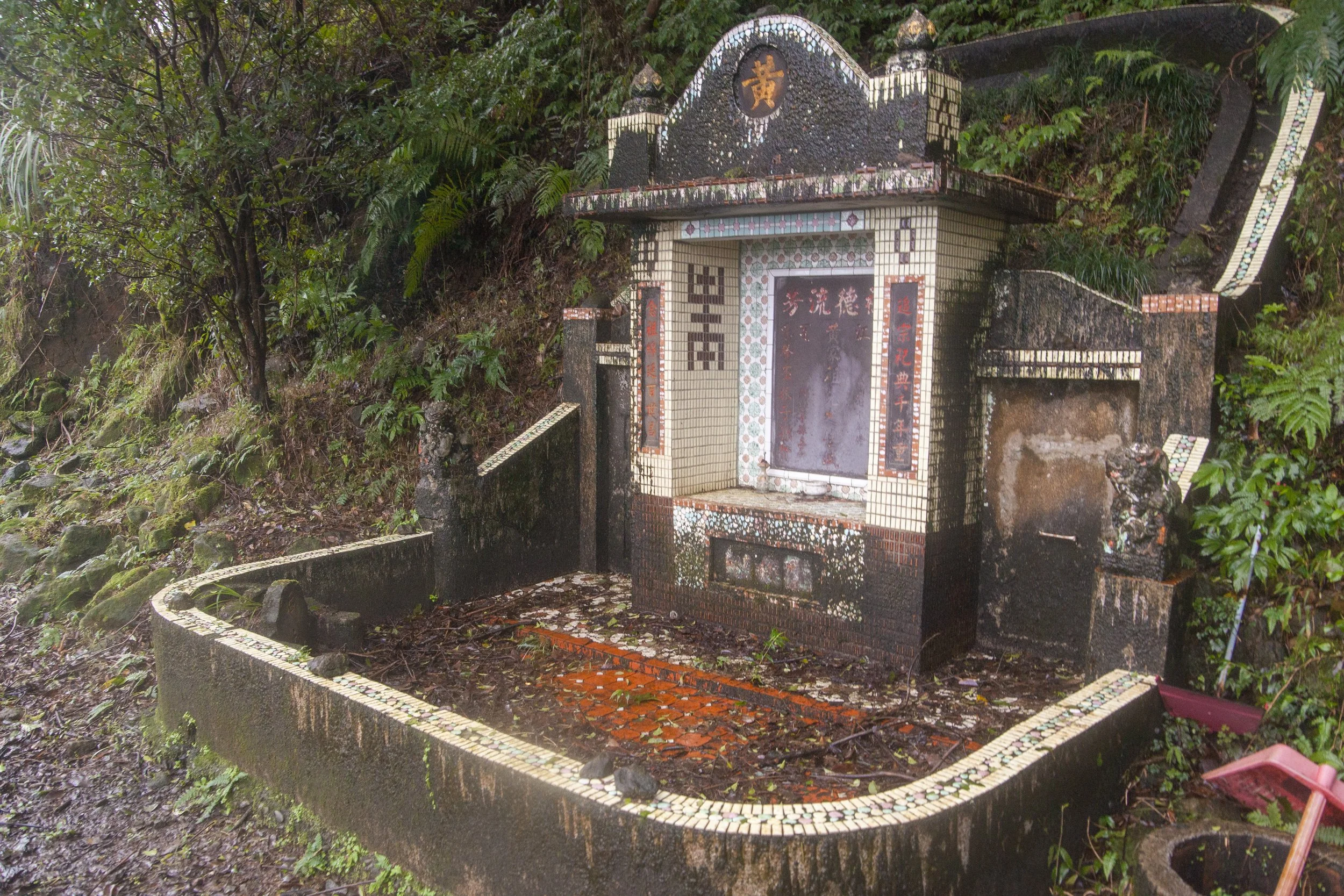
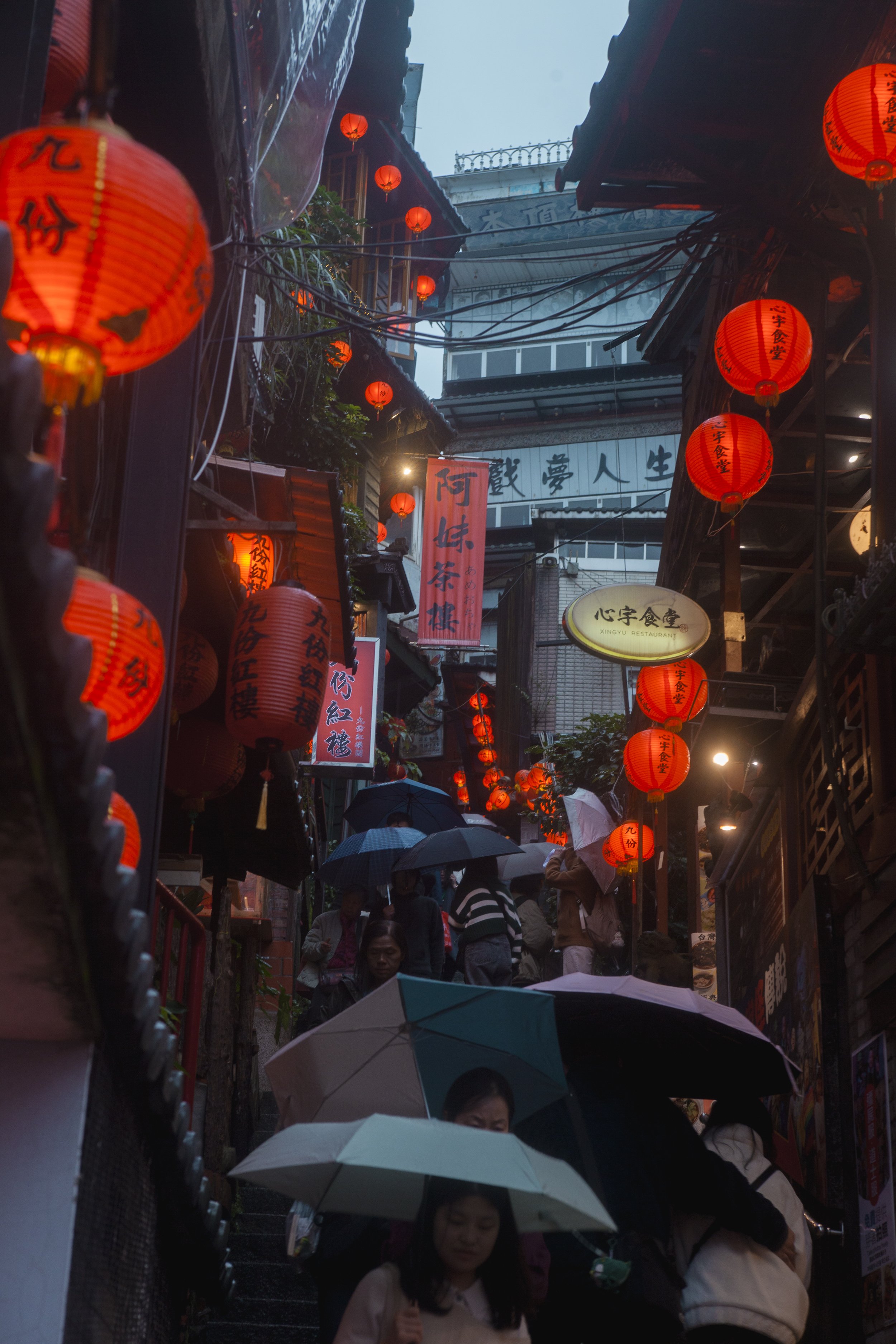
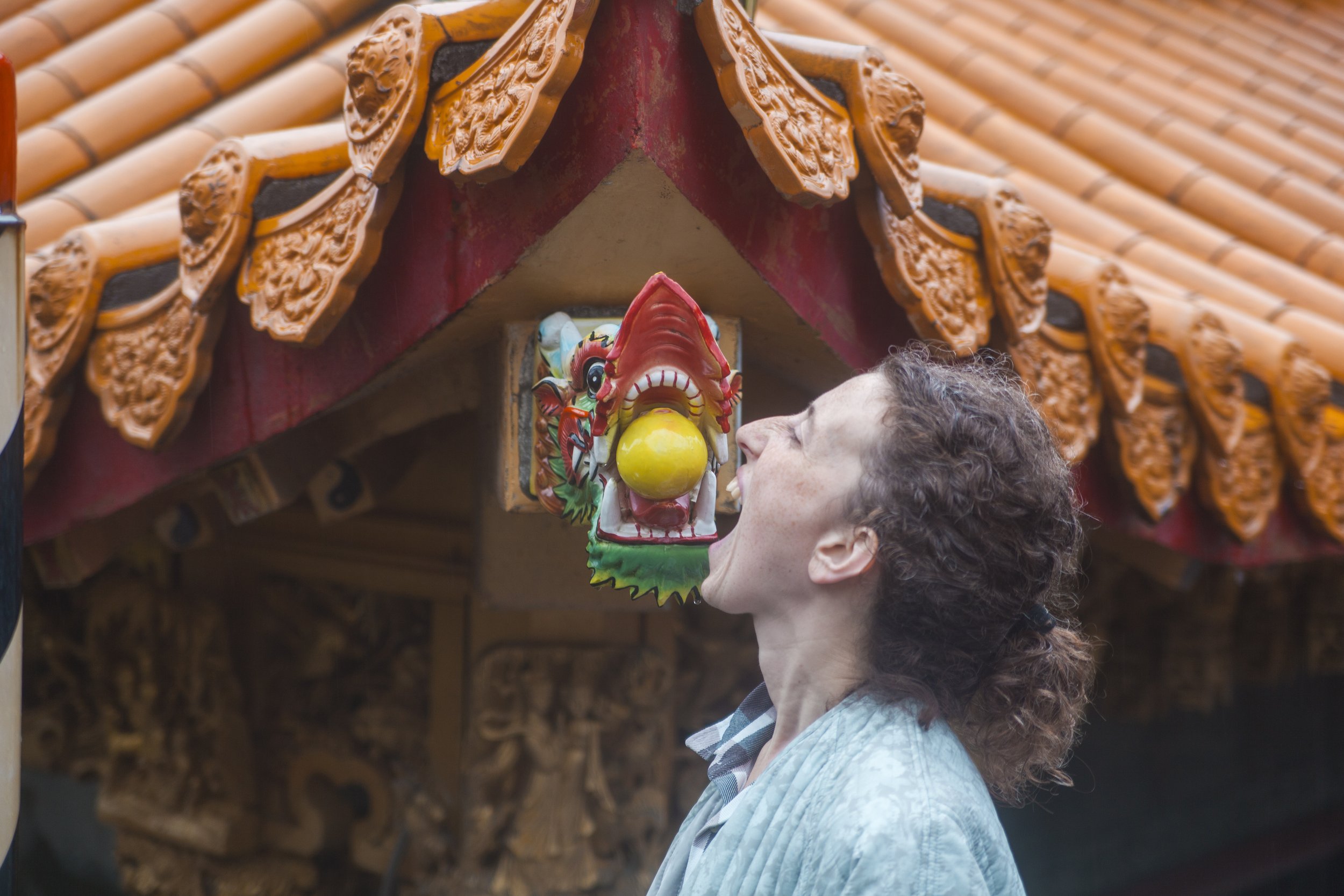
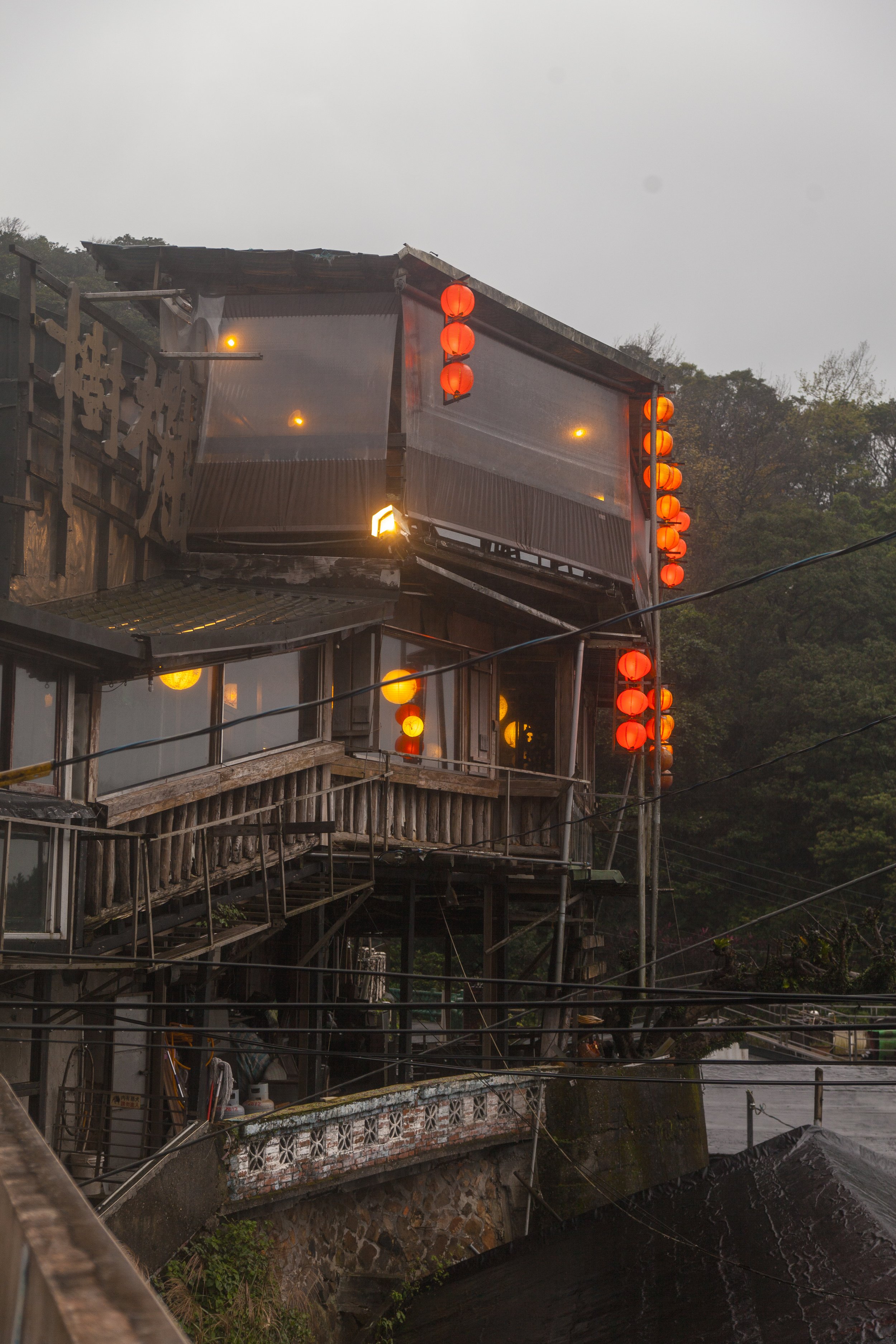
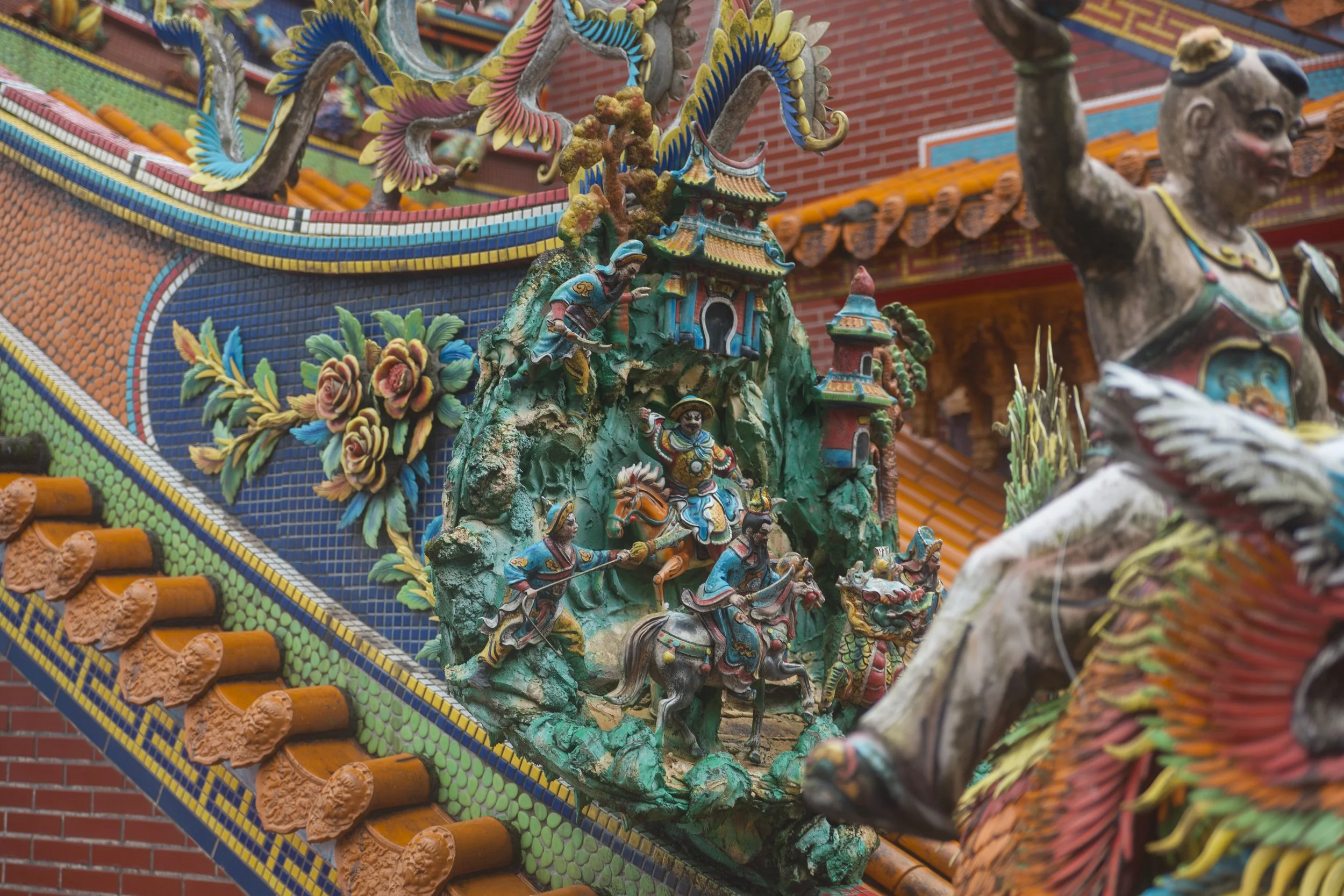
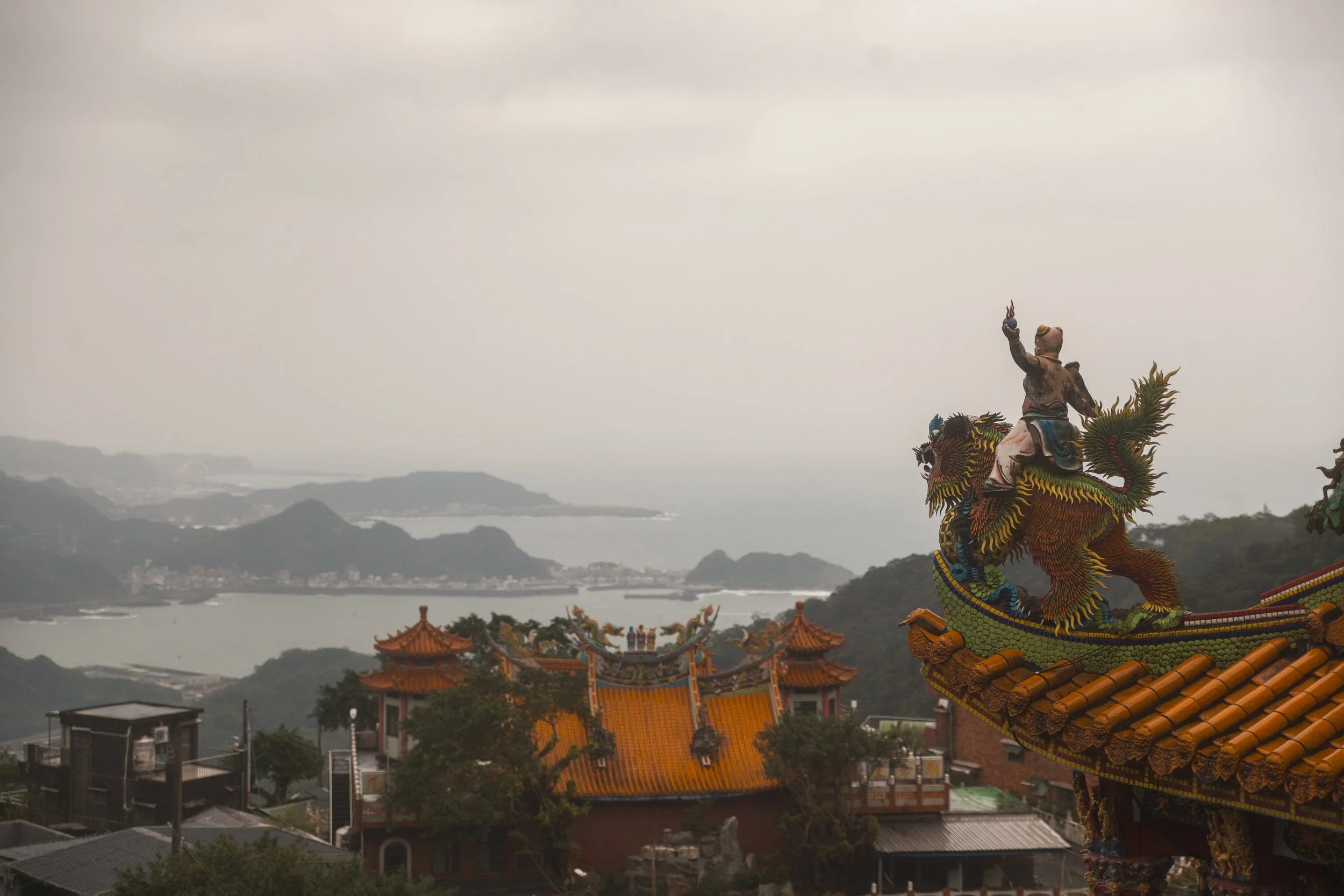
We had planned to travel a bit after the residency ended, and sort of organized little trips to the northern towns of Jiufen and Jinguashi (where we partially hiked the Teapot Mountain with ocean view, and got to see the mine with a sad history as a POW camp), respectively famous for the Japanese atmosphere and the mining industry, and finally to Taoyuan, from where we could hop over to Yingge and Sanxia.
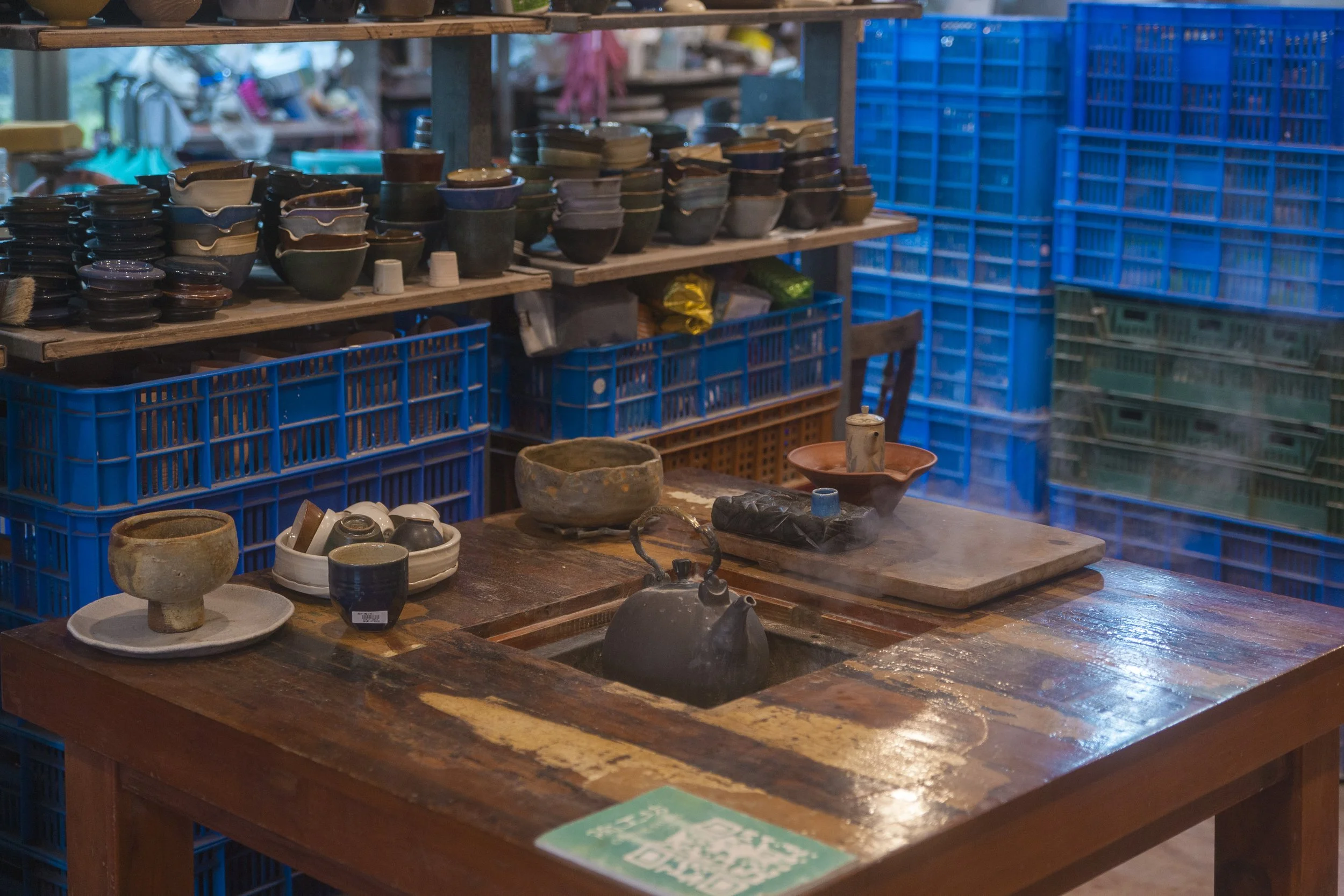
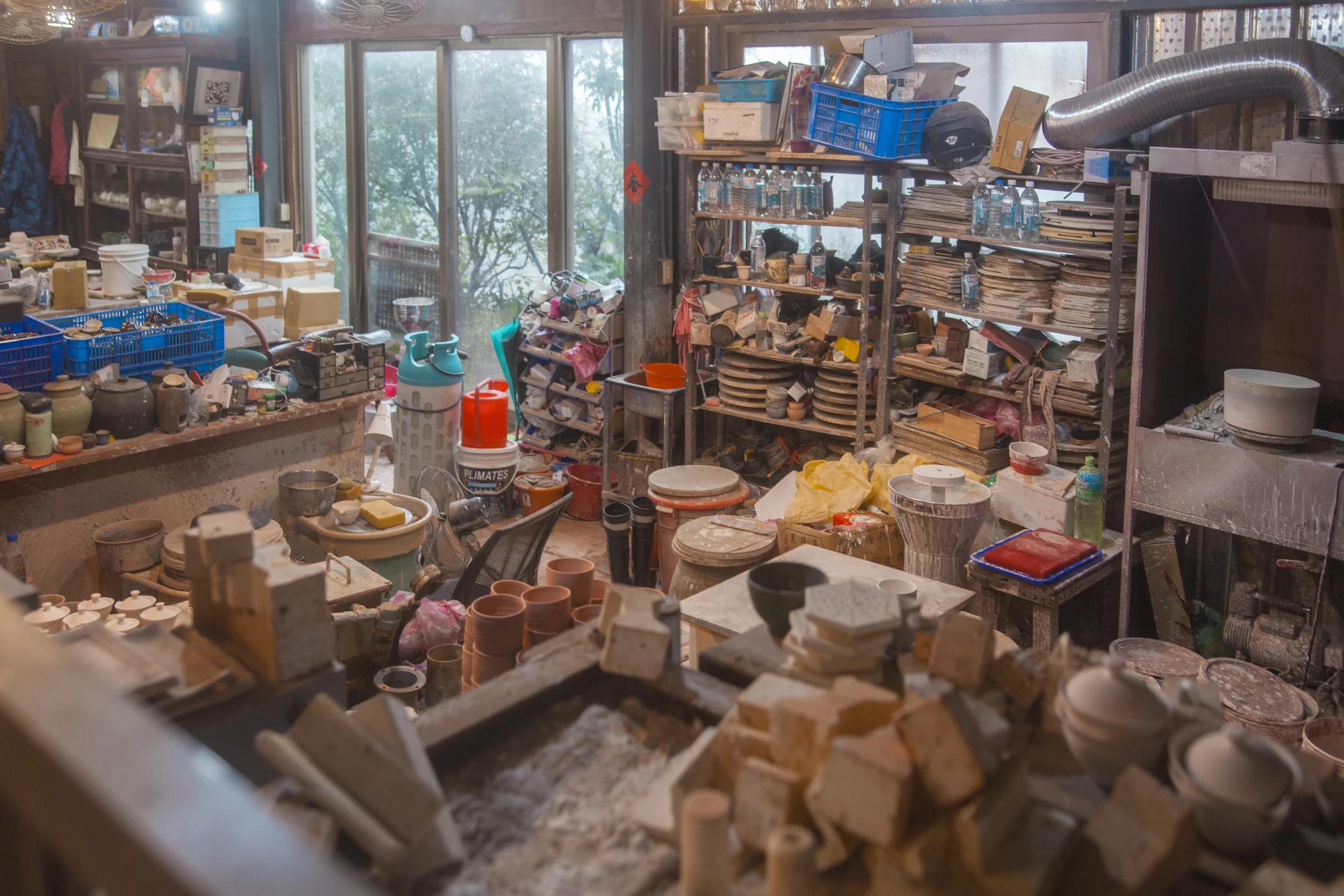
In Yingge you can find the quite touristic ceramic district, it was interesting to read about the automatic cart system they developed for firing ceramics there, of how the brick architecture dates back to the traditions brought in by the immigrants of Fujou, and visit the Ceramic museum, which turned out to be particularly interesting because of the exhibition of the finalists of the Ceramic Biennale.
Taoyuan was nothing special but had its own old feeling, to which our hostel contributed, with its vintage room jacuzzi bathroom, it reminded us a lot of Paradise AiR in Matsudo!