Haloplane
An electromagnetic micro-loop sampler and collaboration with KOMA Elektronik
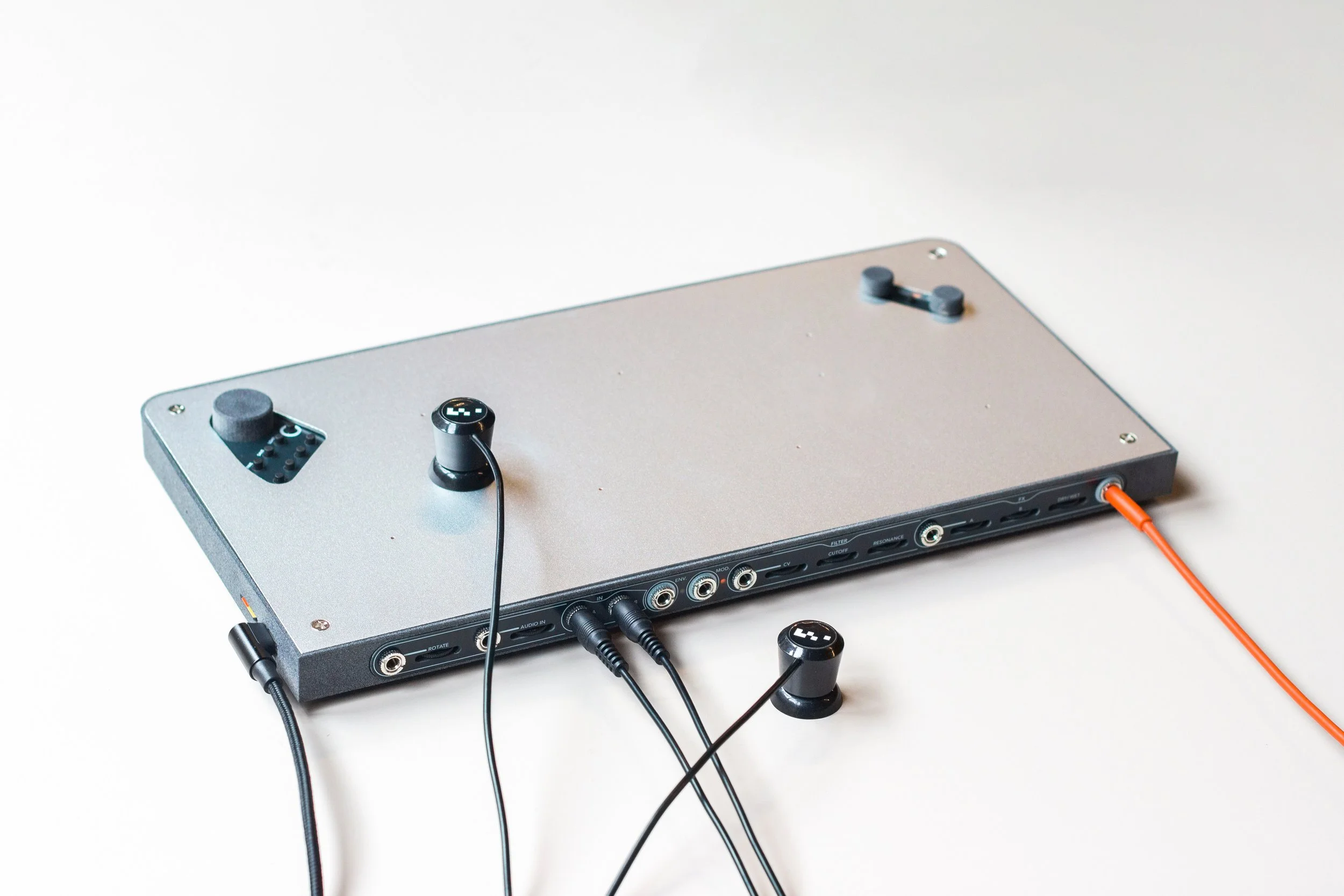
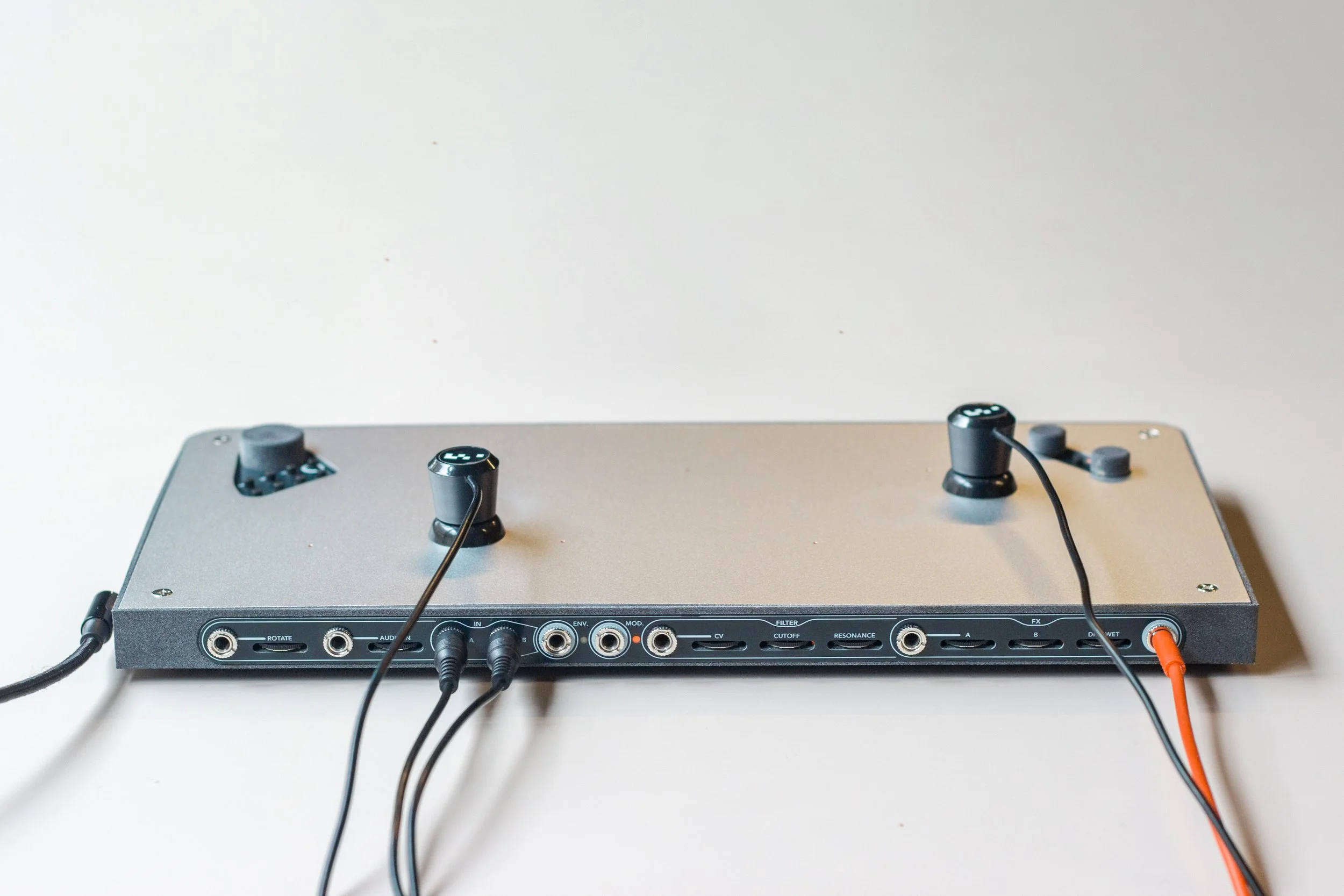
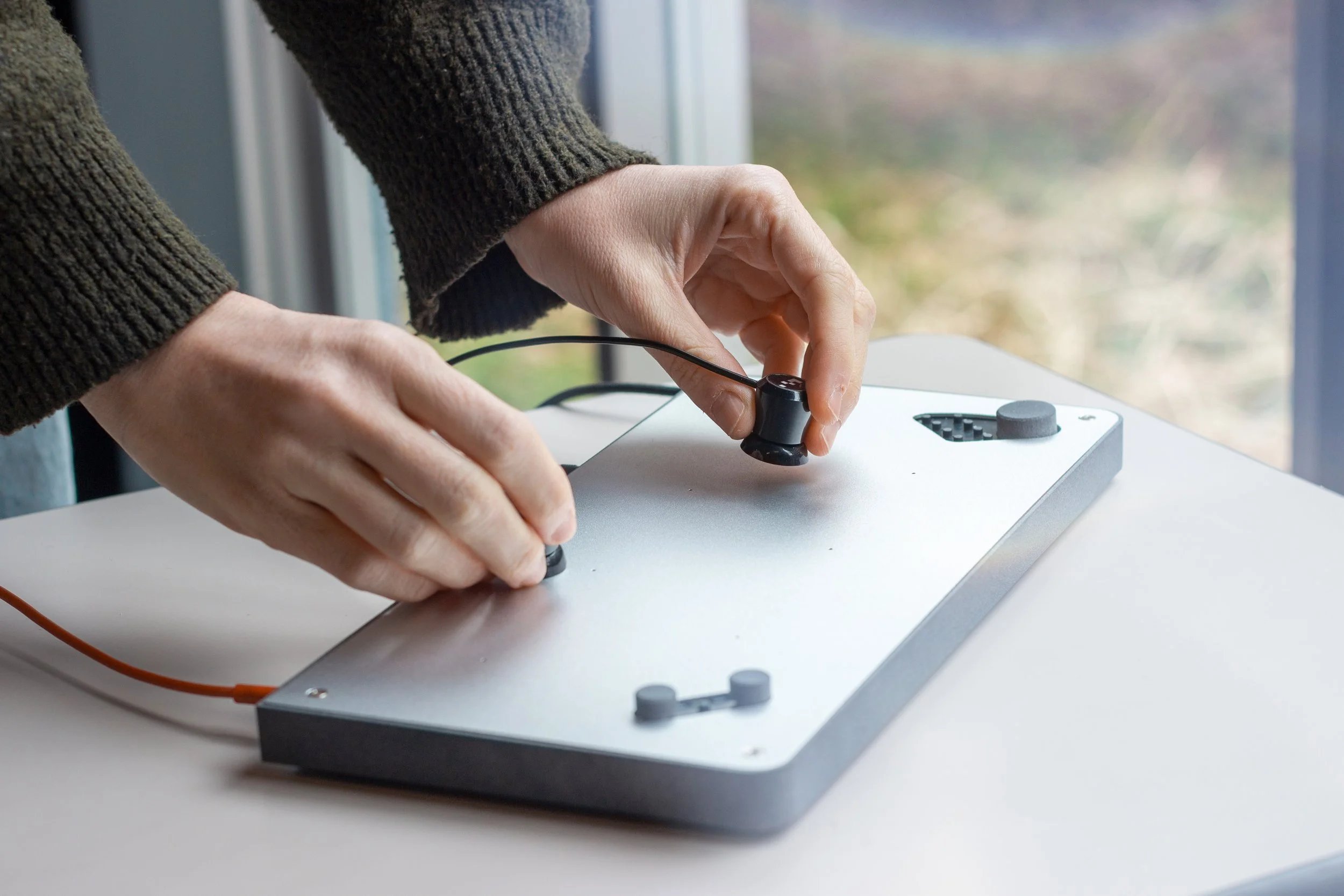

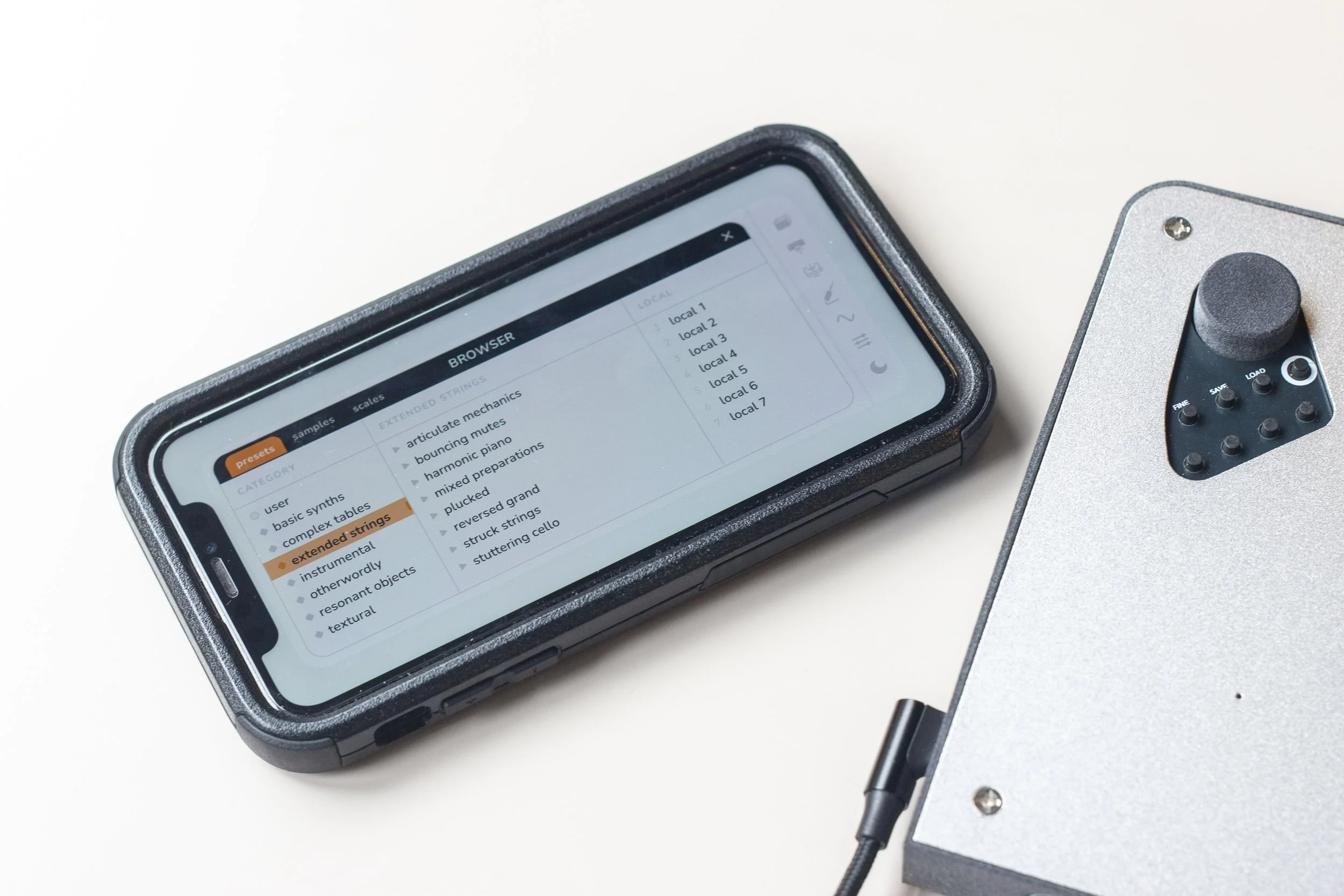
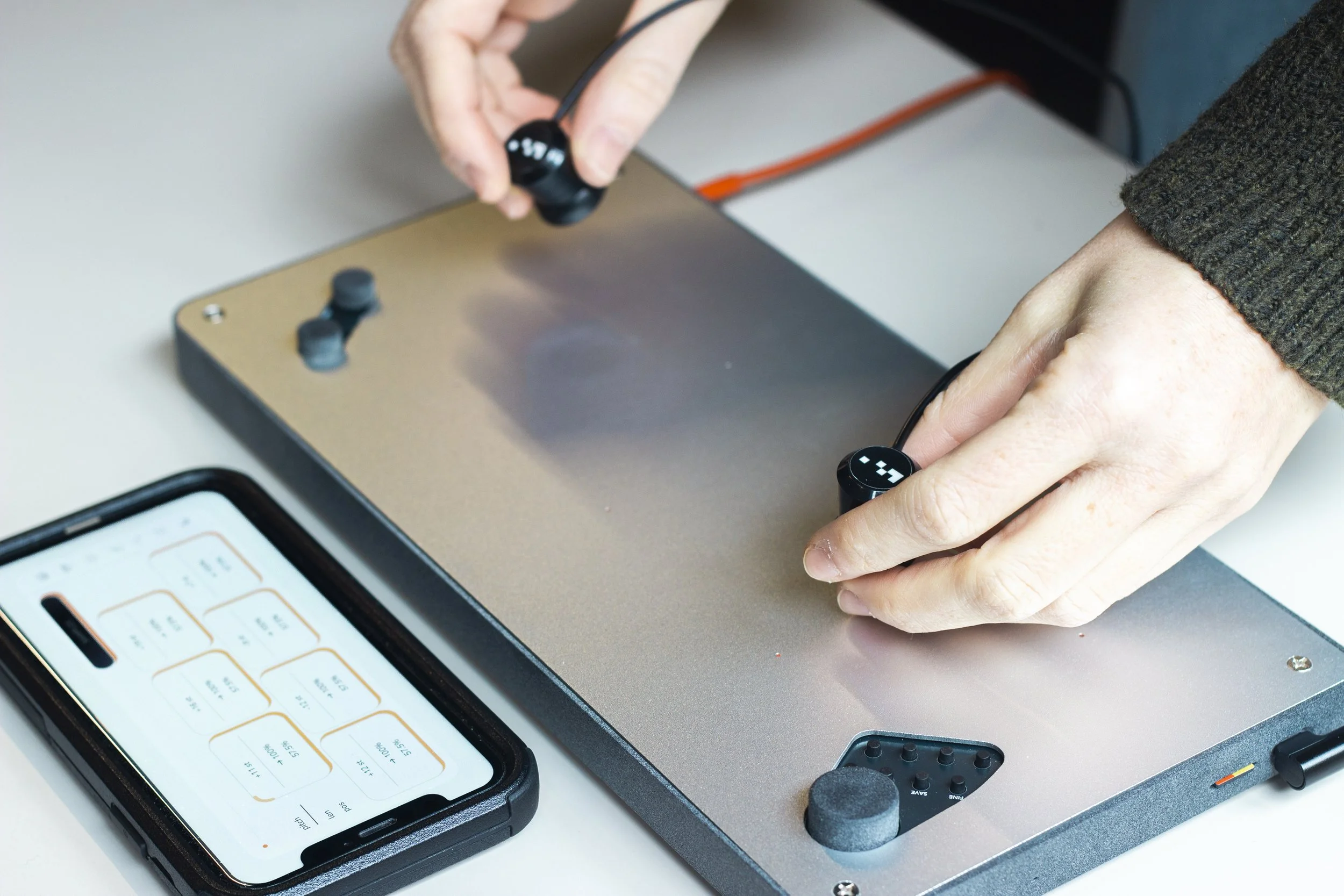
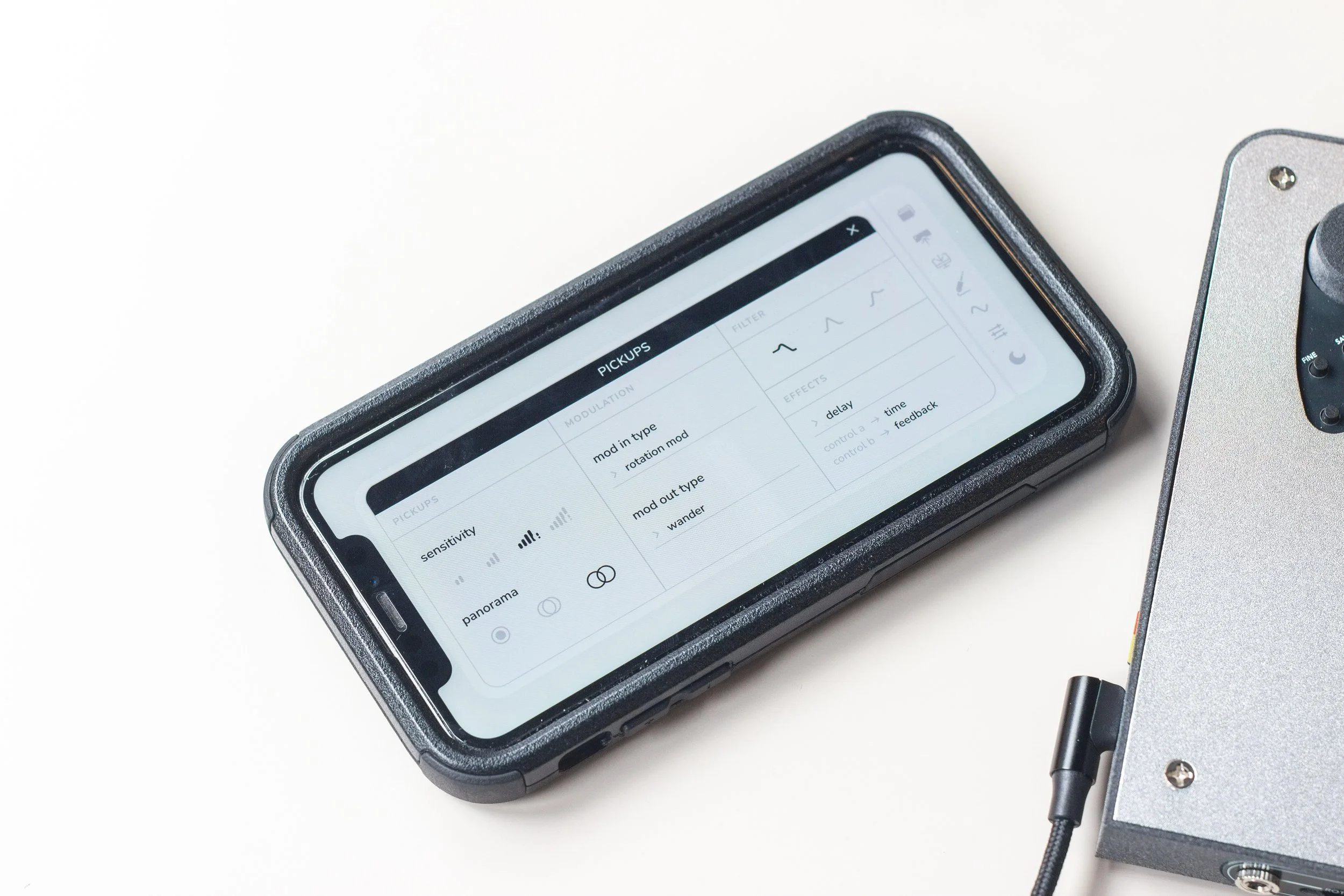
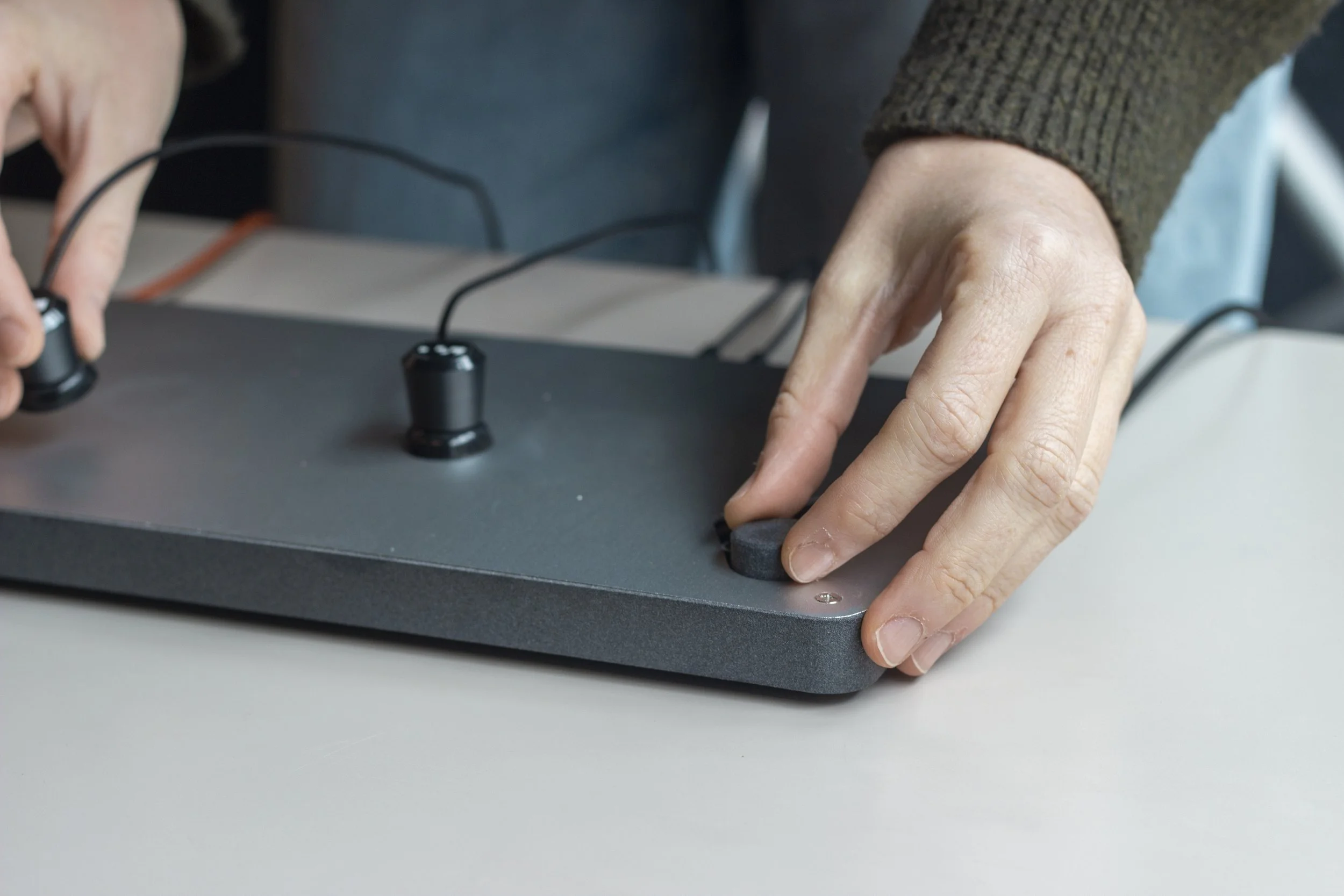
The Haloplane is an electromagnetic micro-loop sampler built for sculpting sound in motion. Blending a deeply expressive performance approach with a unique attitude towards sound design, its surface unveils an evolving universe of sound as you explore it.
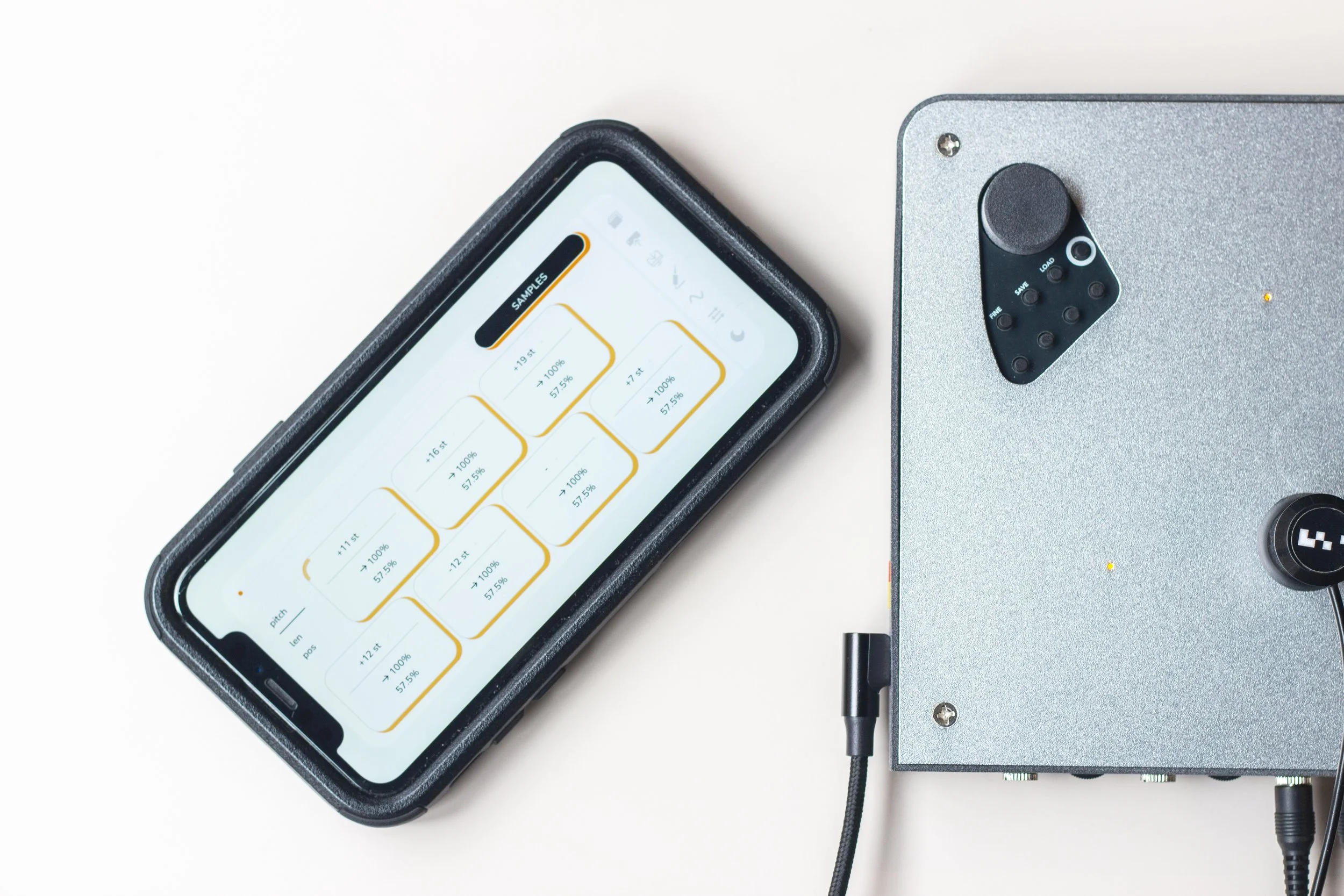
Created as both a performance instrument and a sound-design workspace, the Haloplane lets you capture audio and take it on a journey using the same pickups as the Chromaplane. Its seven customizable electromagnetic fields can independently emit short looping samples or wavetables, each with its own independent parameters and LFO. These loops are automatically sliced, transposed, and scrubbed with the length, pitch, and position parameters, providing control over the continuously changing inflections of each field.
Sounds can be created on the spot using the built-in microphone or line input. All field parameters and sounds can be captured and saved into presets, allowing for complex performance arrangements.
One of the most unique qualities of the Haloplane is field rotation: rotation shifts the fields around the instrument, creating everything from agile melodic riffs to precisely timed sequences. And because it's CV controllable, you can use other synthesizers to sequence and modulate the position of fields on the instrument.
A special modulation output translates the pickup activity into a CV source that can be repatched on the instrument, or interact with your other synthesizers. The pickups themselves run through a multi-mode filter, and audio effects: choose the filter style and effect type to refine the instrument’s sound with ambience and character.
This instrument comes from a continual research on interfaces in electronic music that started with the Chromaplane. Since developing the Chromaplane, we noticed how many more branches off the same tree were possible, and so we wanted to endeavor to create something that could serve for the self-expression of many different types of electronic sound, while keeping the same interface ethos intact.
We started development in 2024, and along the way many features and ideas have seen there way into the final result - we're happy to now say that this instrument will again be manufactured as a collaboration with KOMA Elektronik on a larger scale.
More info on about the operation of the instrument and its features can be found on its dedicated webpage here.