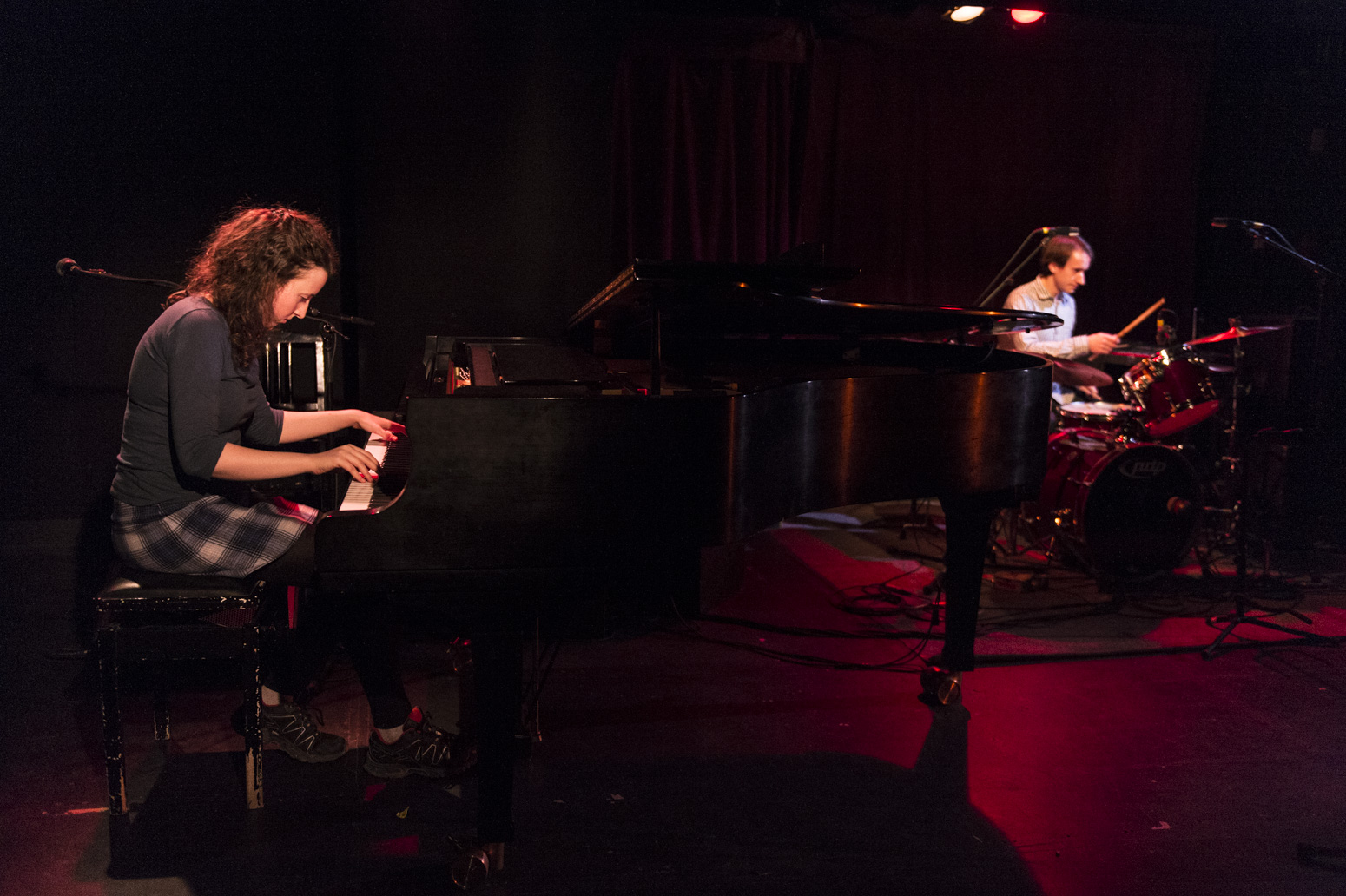
By now we've traveled to, and performed or had musical projects in, 60-ish countries.
Kinosaki Onsen: Kyozon Kyoei
Taiwan: Negotiating With History and Geography
Turkey: Water Has No Borders, Or Does It
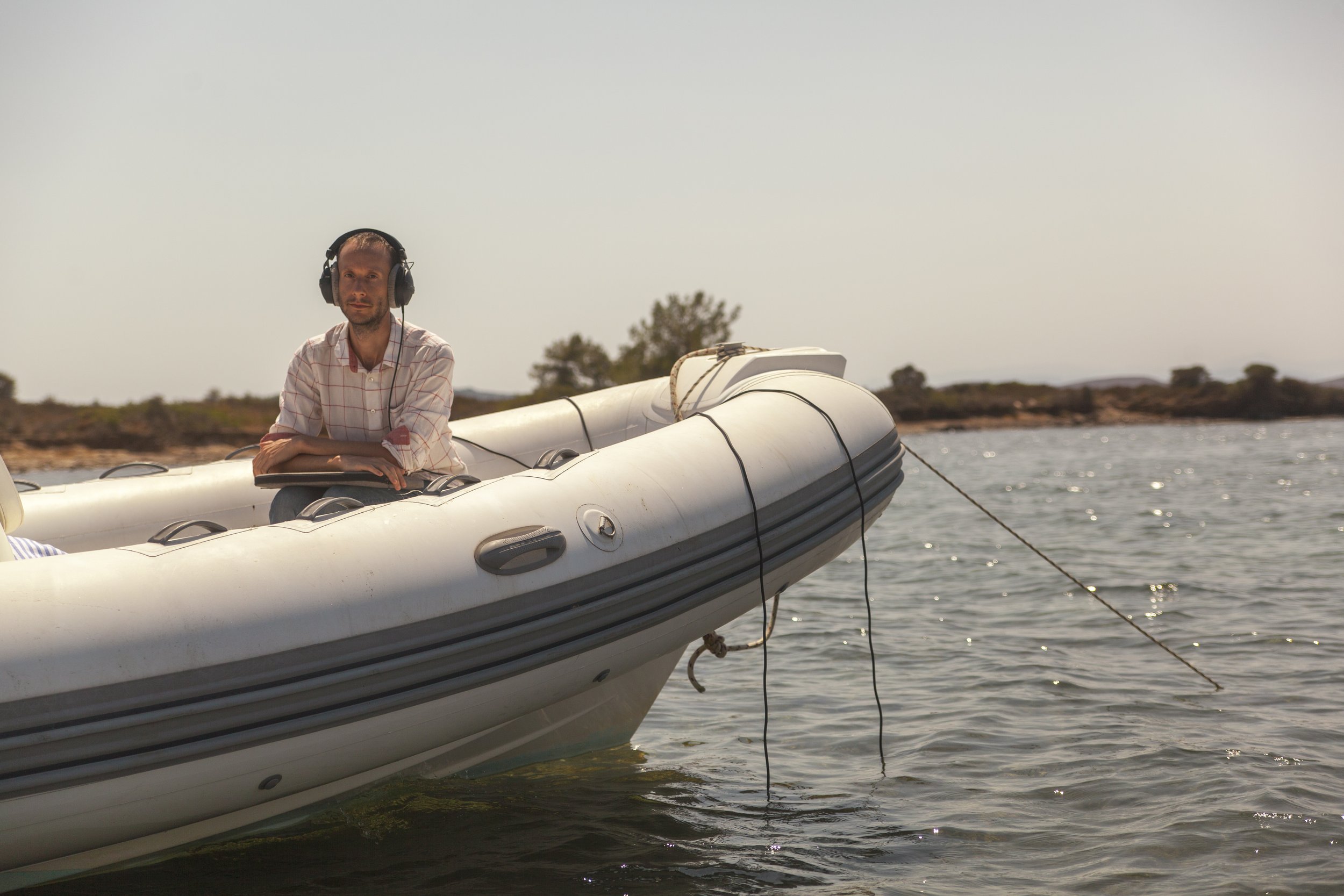
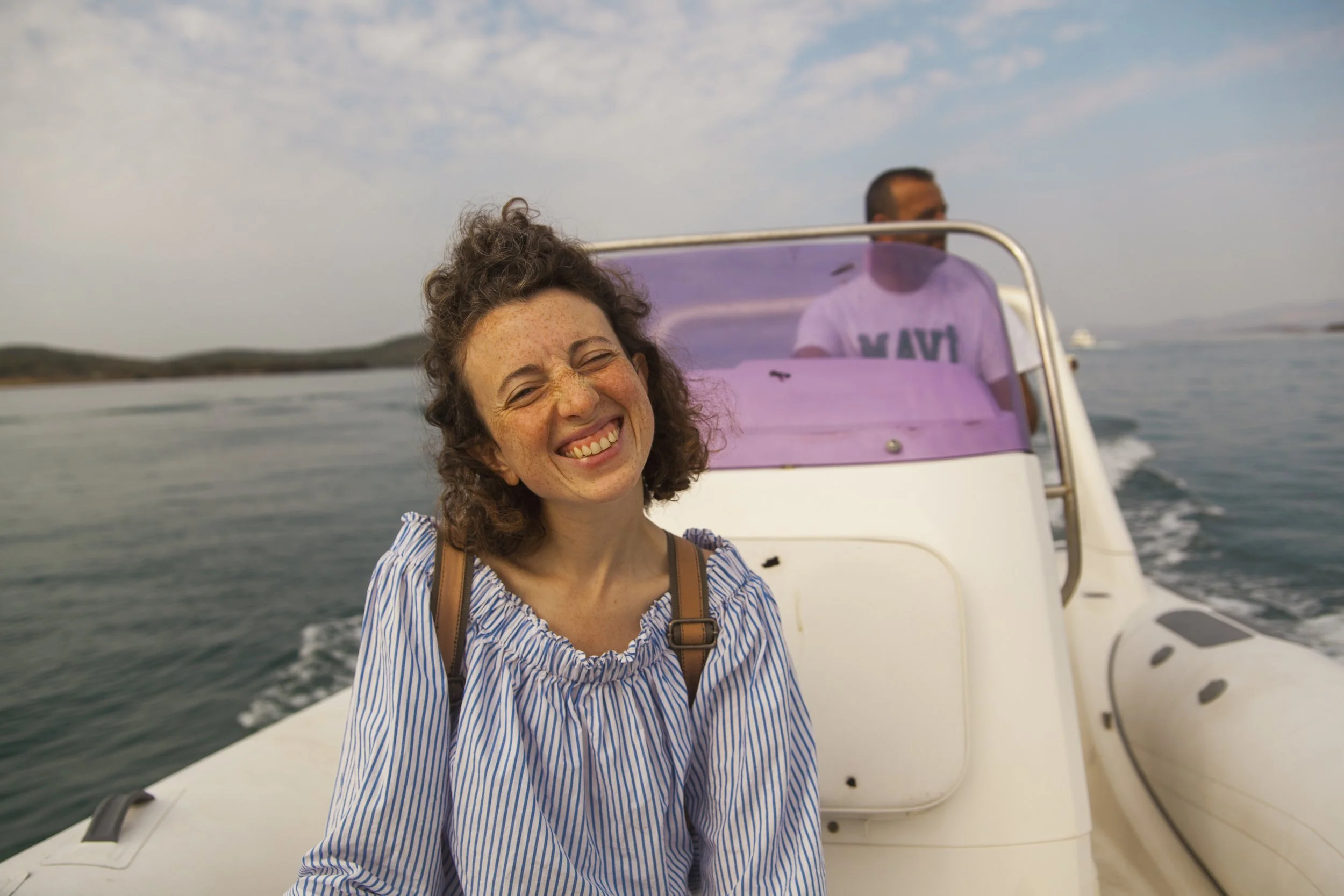
Most our days in Turkey were spent on the water
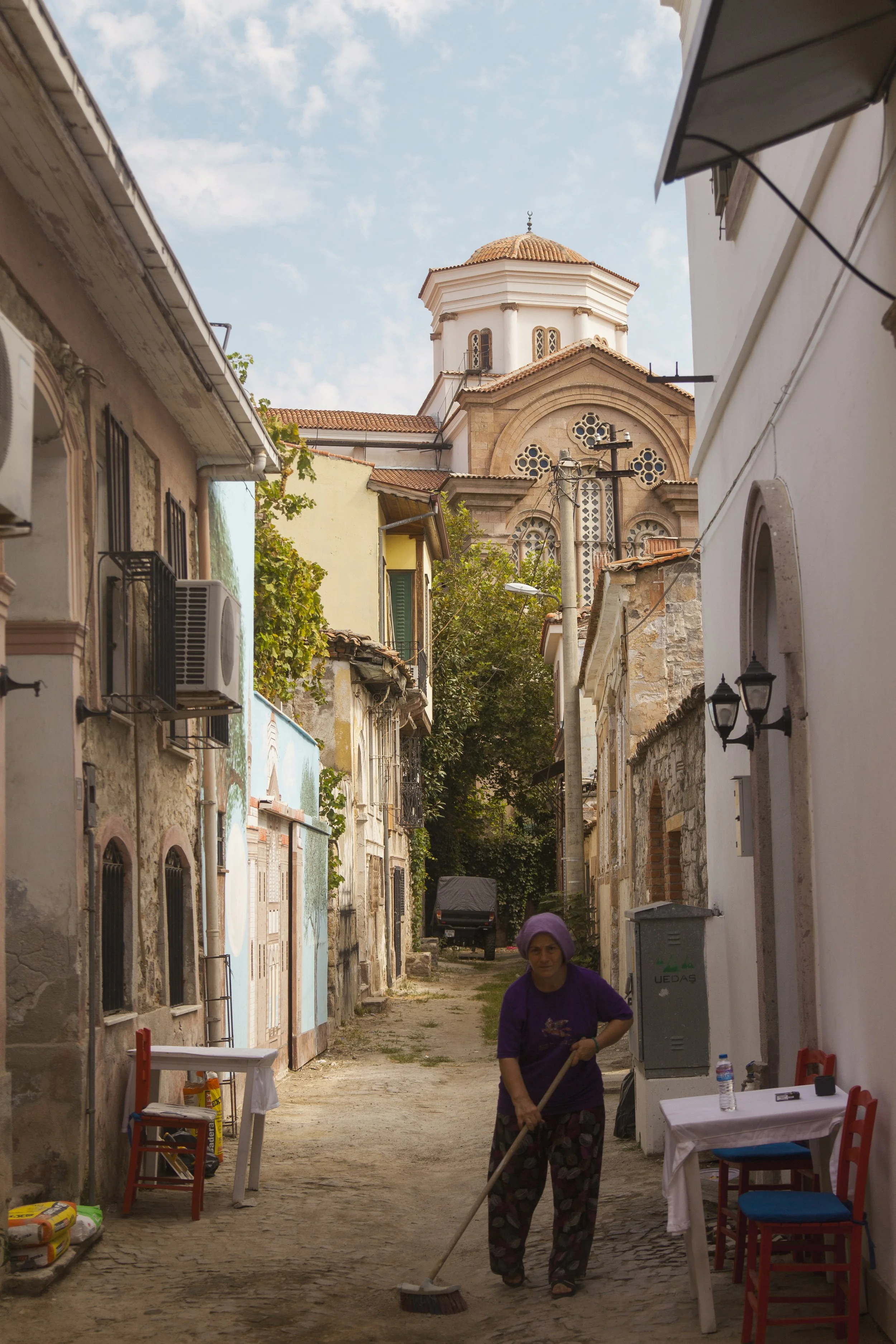
The closest airport to our residency location was Izmir, so we spent our first afternoon in Turkey exploring this colorful beautiful town. Among the best memories that we have: the walk along the seaside, where so many men were fishing in the rough waters; the hippy hostel and the wonderful bakery preparing gevrek and breakfast spot next to it; and the tea-time sweets that you find everywhere, like the delicious bombs we ate at Çelebi Unlu Mamuller.
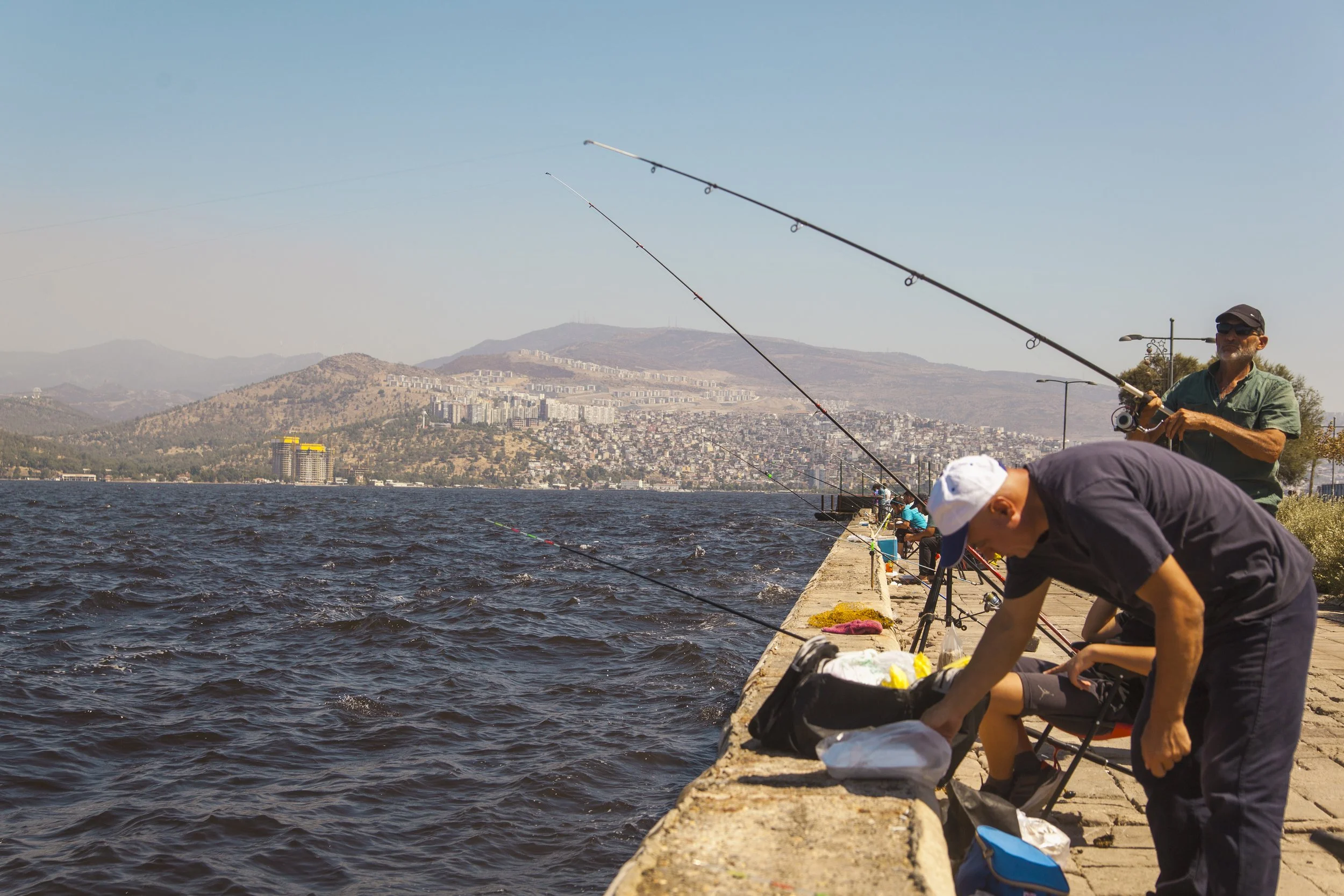
In Izmir
The photo of the historical ‘father of the nation’ President Atatürk was hanging everywhere, in connection to the upcoming celebrations of Victory Day on August 30th. In the morning we caught a bus to reach Ayvalık, the closest stop to our residency, where the house keeper Murat picked us up.
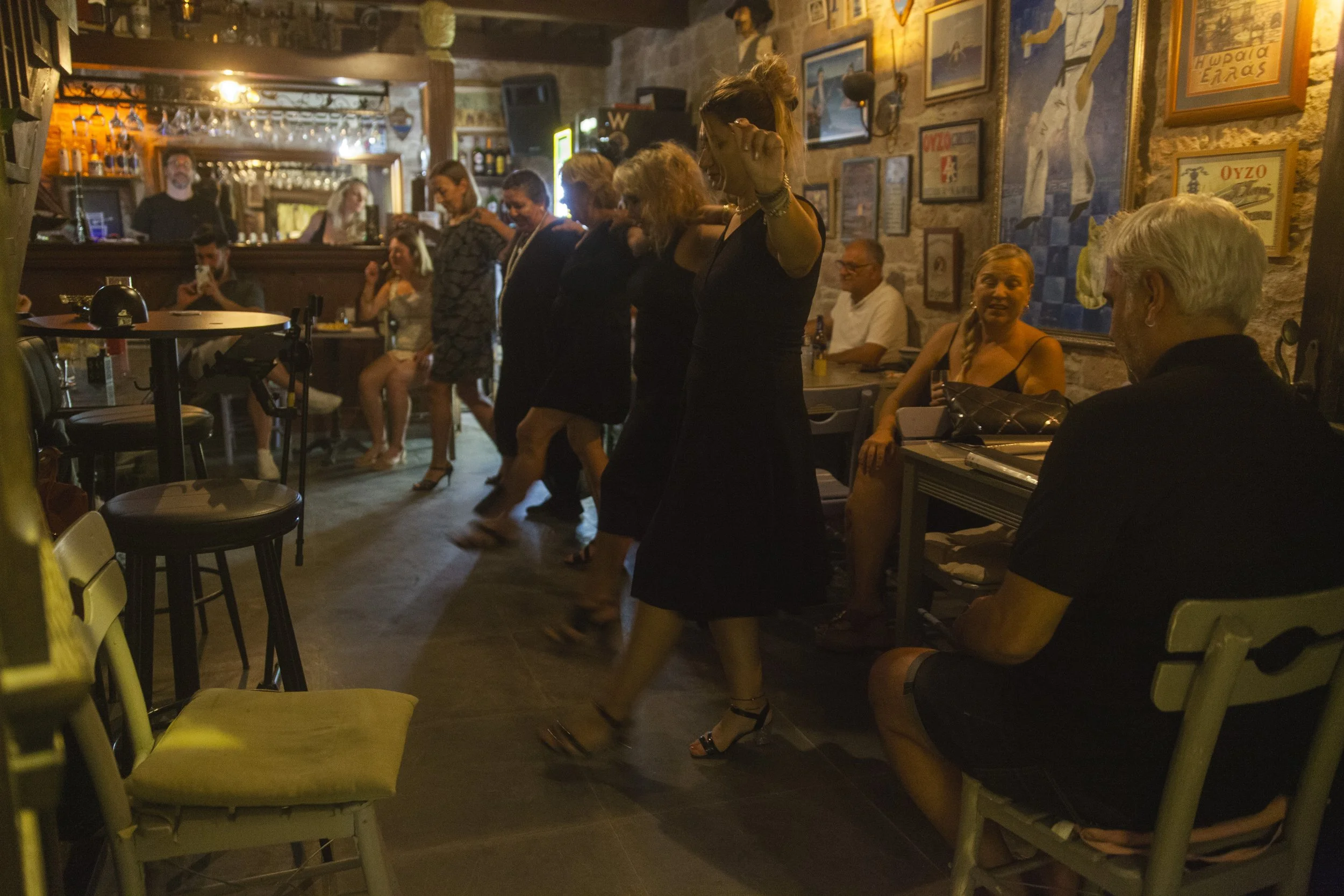
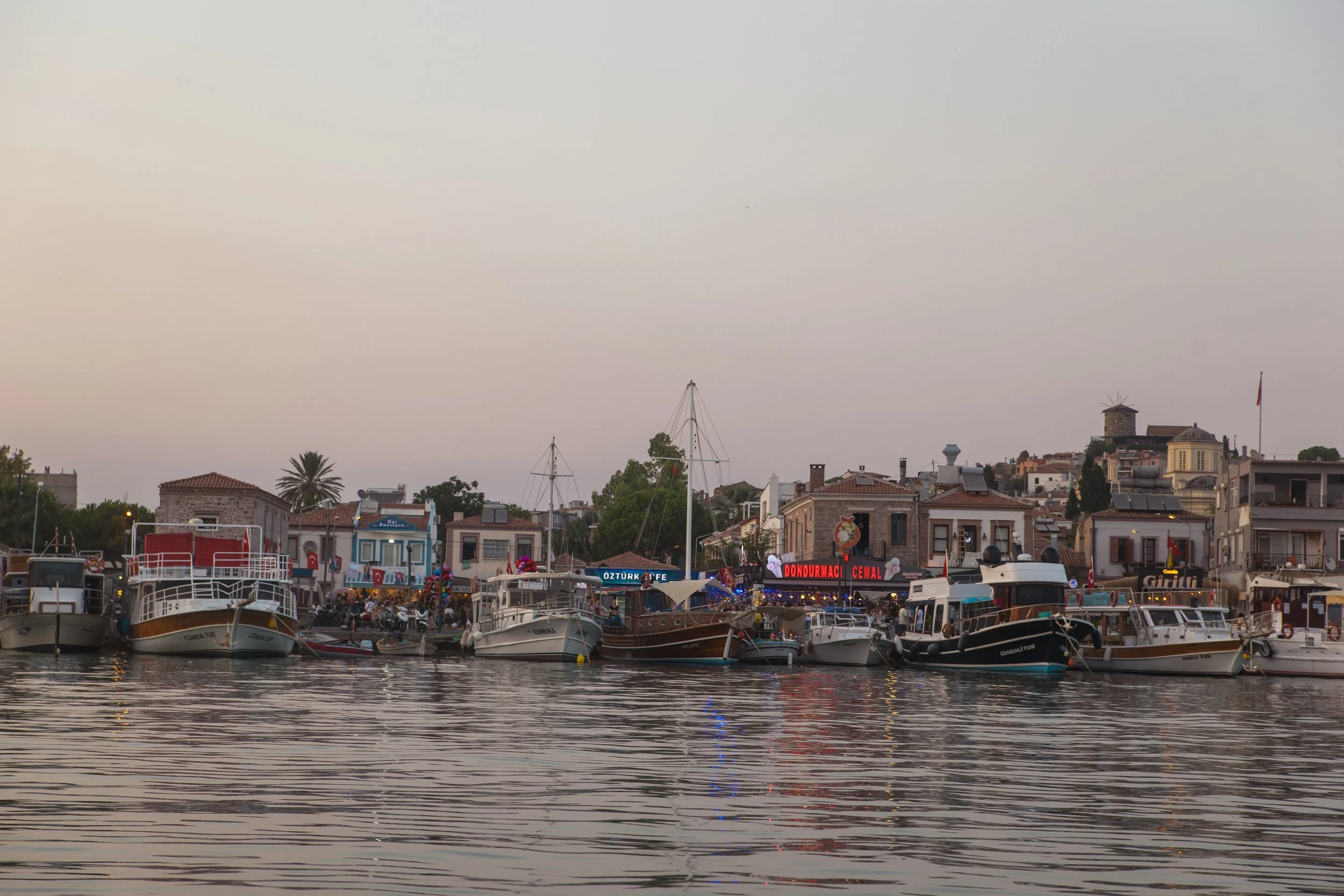
On Cunda Island at Çiğdem’s performance
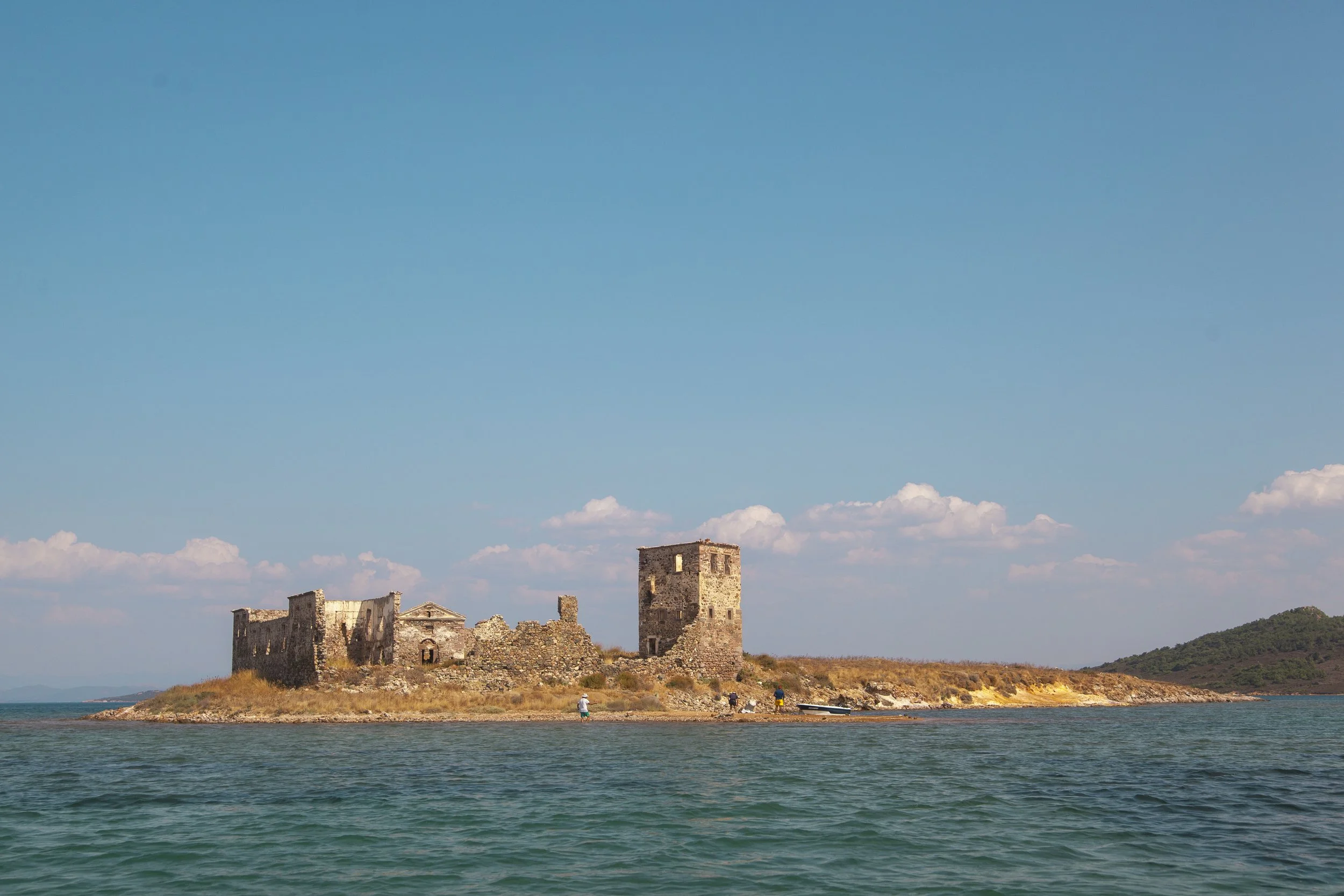
Murat became our chef, our care taker, our driver, our pilot, and most of all our source of information about everything we ever wanted to know about culture, history, politics and nature in the area. Murat’s parents were originally from Crete, and in fact a large part of the society of Ayvalık and Cunda Island are composed of ethnically Greek immigrants either from Crete or Lesbos, due to the exchange and deportation of people that happened in 1923 between Greece and Turkey. It is reported that the exchange displaced some 400,000 Muslims living in Greece and nearly 1.2 million Rums in Turkey. This can be perceived still today in languages that survive in different parts of the country, for example Pontic Greek. And still in Cunda we got to see the performance of Murat’s wife, who is part of a choir and of a dance group focusing on Greek traditions. This historical event is so evident also in the ruins of monasteries that can be seen everywhere in the area, and that have been looted through the years.
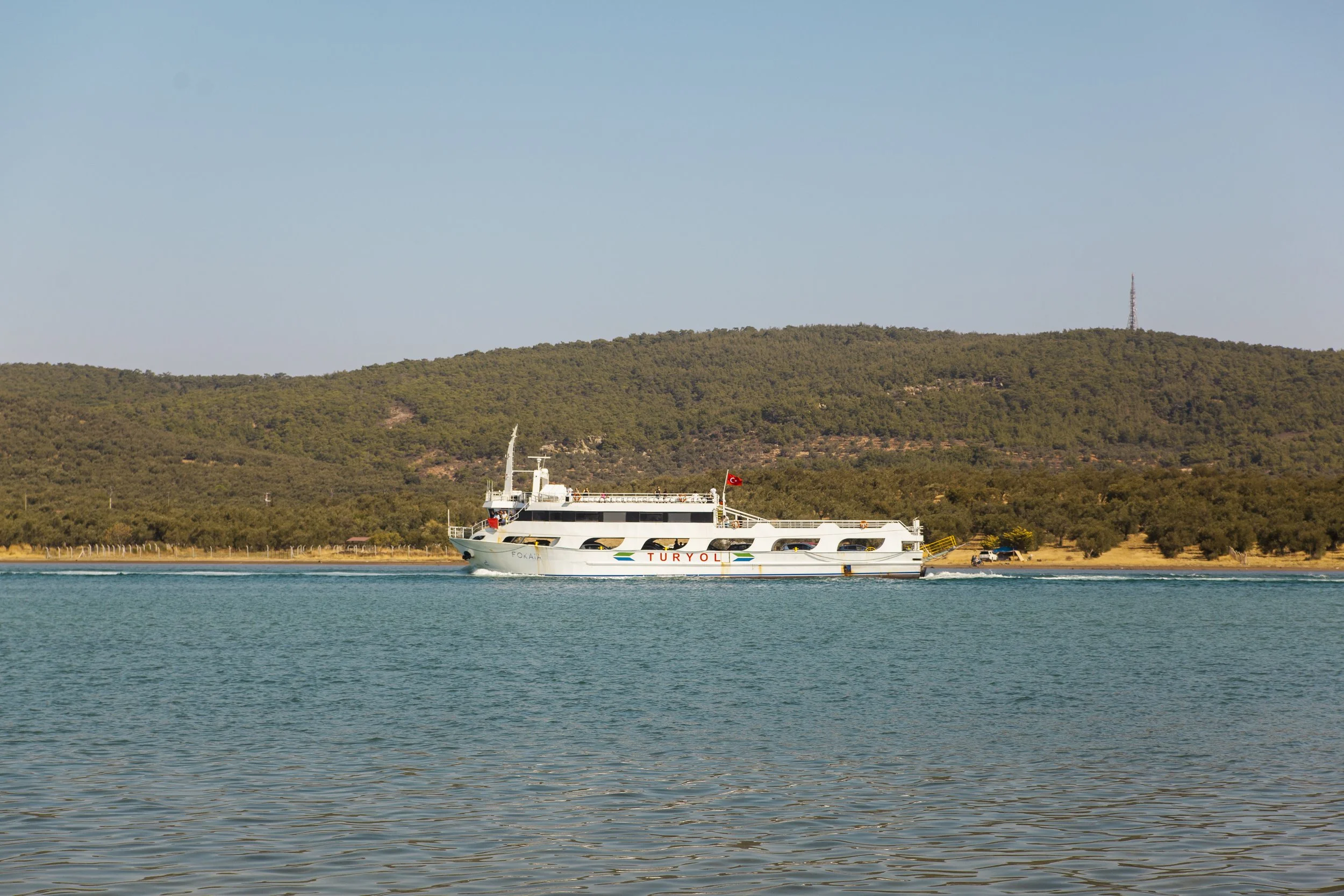
In the current political situation, Turkish people have it really tough to travel to Europe, as they need to apply every time for an expensive visa that only is valid for a single entry. On the other end, Europeans can visit without a visa, and in fact many people travel from Lesbos (36 km away across the water) to Ayvalık on Thursdays when there is the market and they can shop for cheaper prices, especially at this time with an insane inflation of 63.47% of the lira. We would be able to see the ferry connecting the two locations multiple times a day.
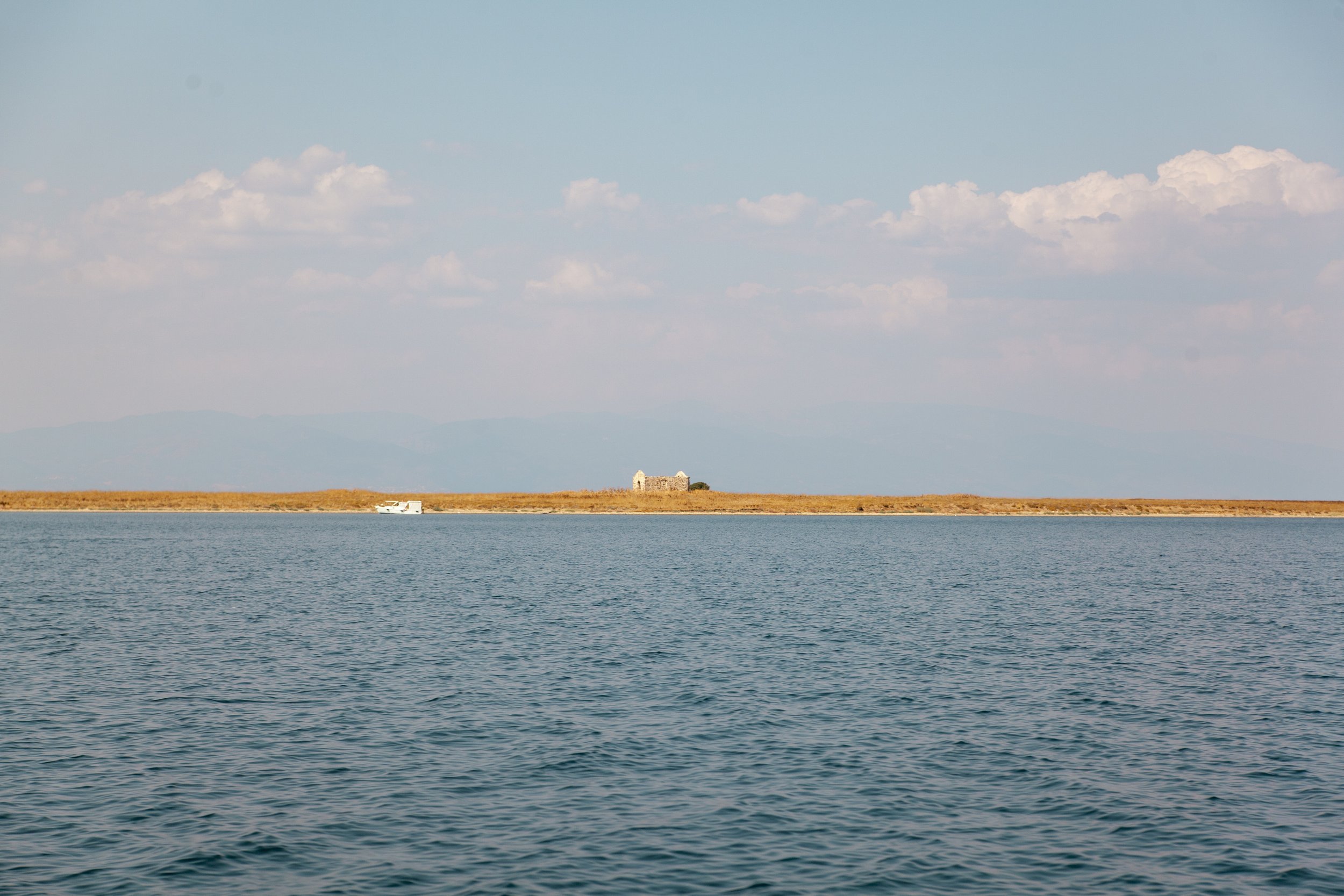
On the other hand the bay is also constantly patrolled by the nautical police, as illegal immigration of people from Syria and other middle Eastern countries makes it way through here with the hope of reaching European lands, but often finding more disastrous endings.
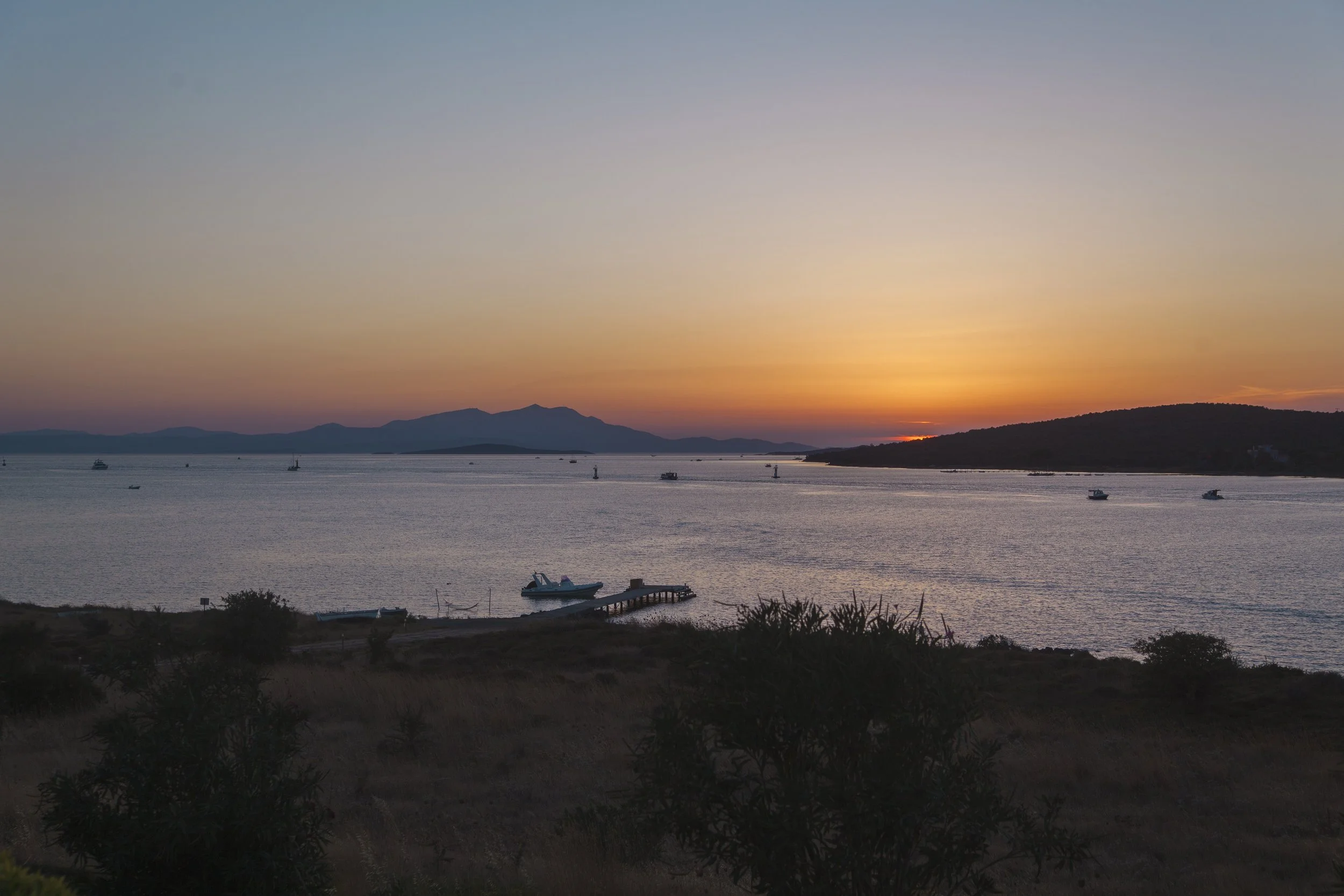
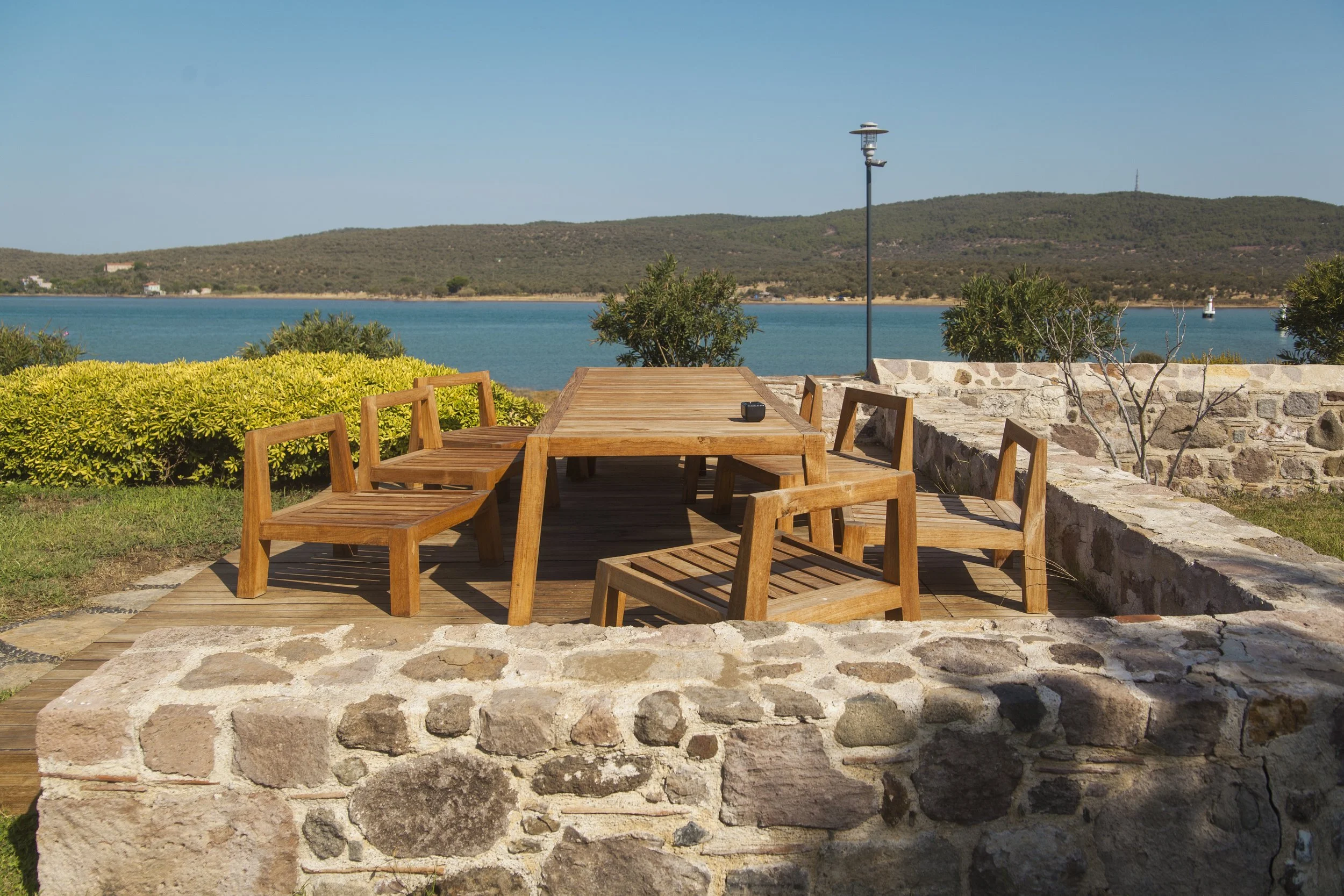
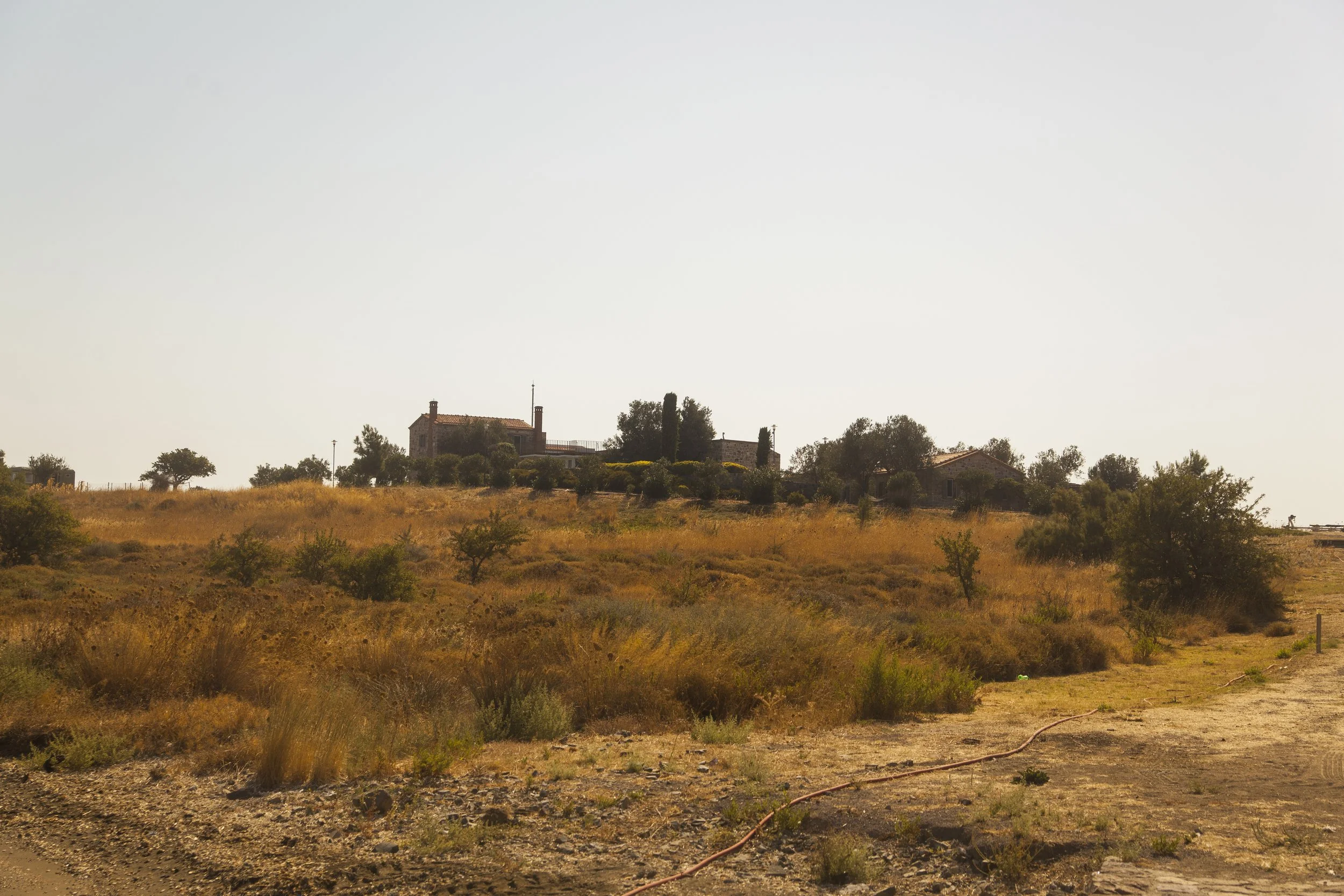
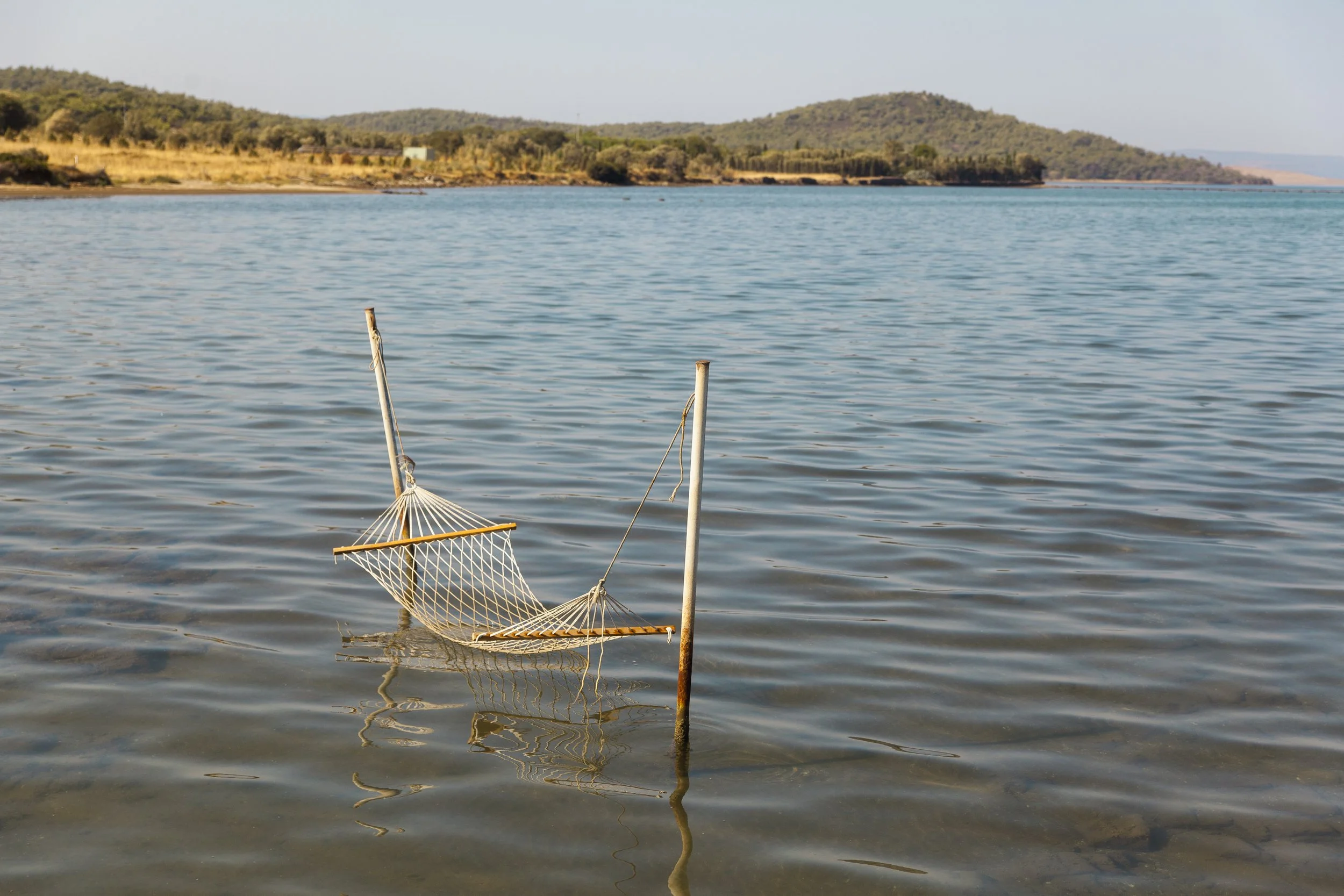
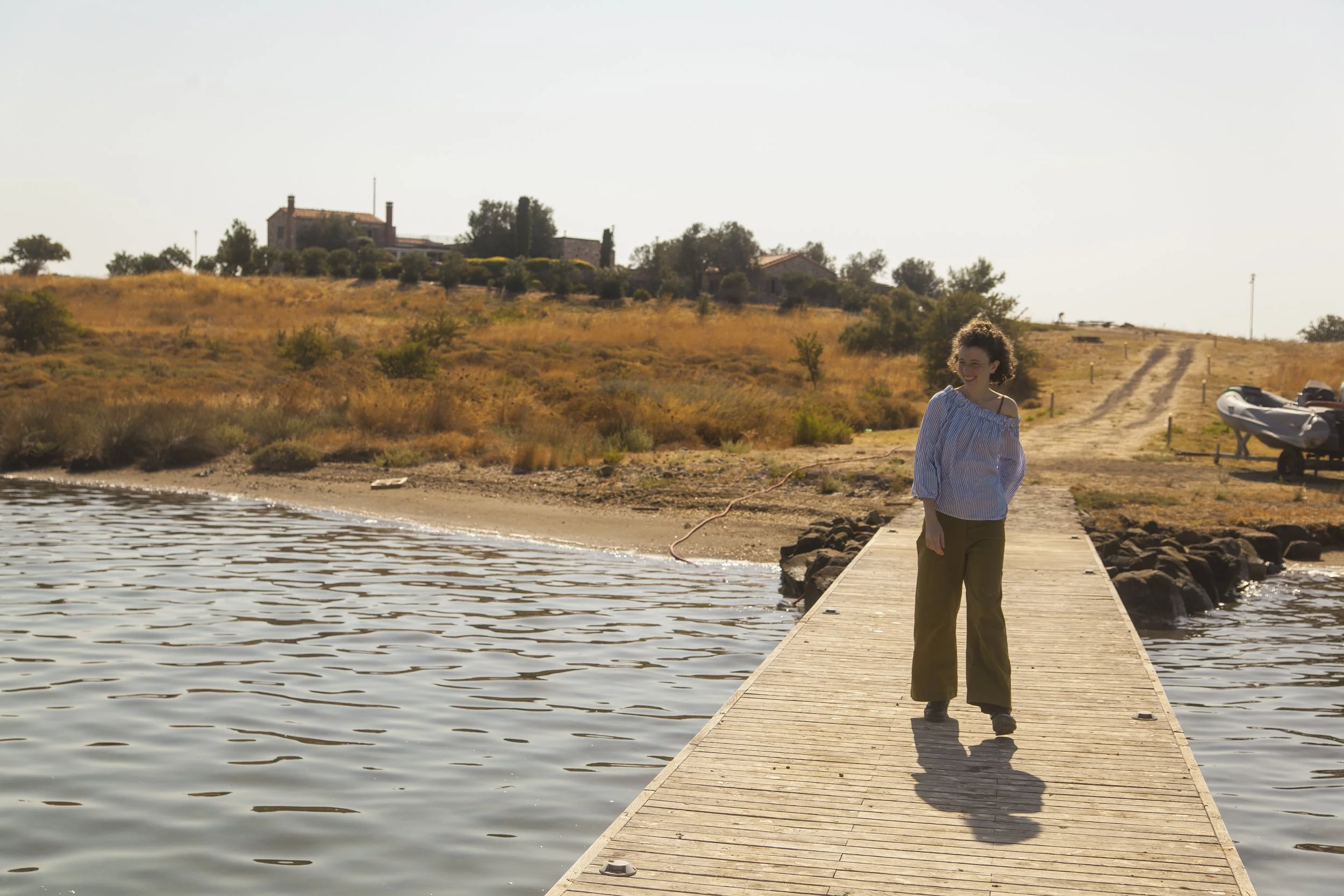
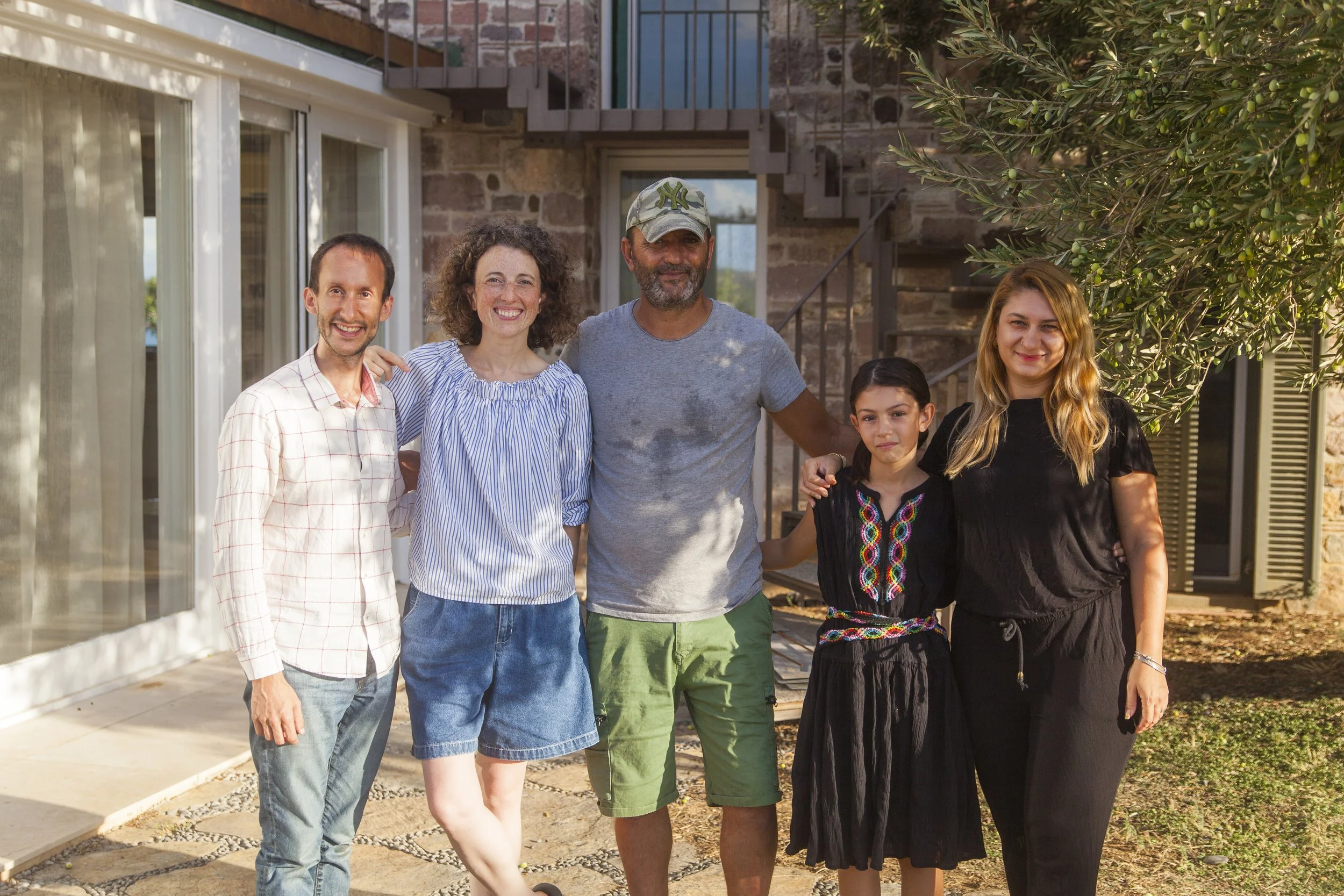
Our residency sits on a perfect spot on the water, in the middle of an incredible natural area, where you could enter only with a reason, as it was guarded due to the high risk of wildfires. You would need to drive a while on a gravel road to get there, or get a lift on a boat. At the house we would be welcomed by Burak, our residency coordinator, who also made tea and a tasty tea cake, and would always pour us generous glasses of our favorite white wine.
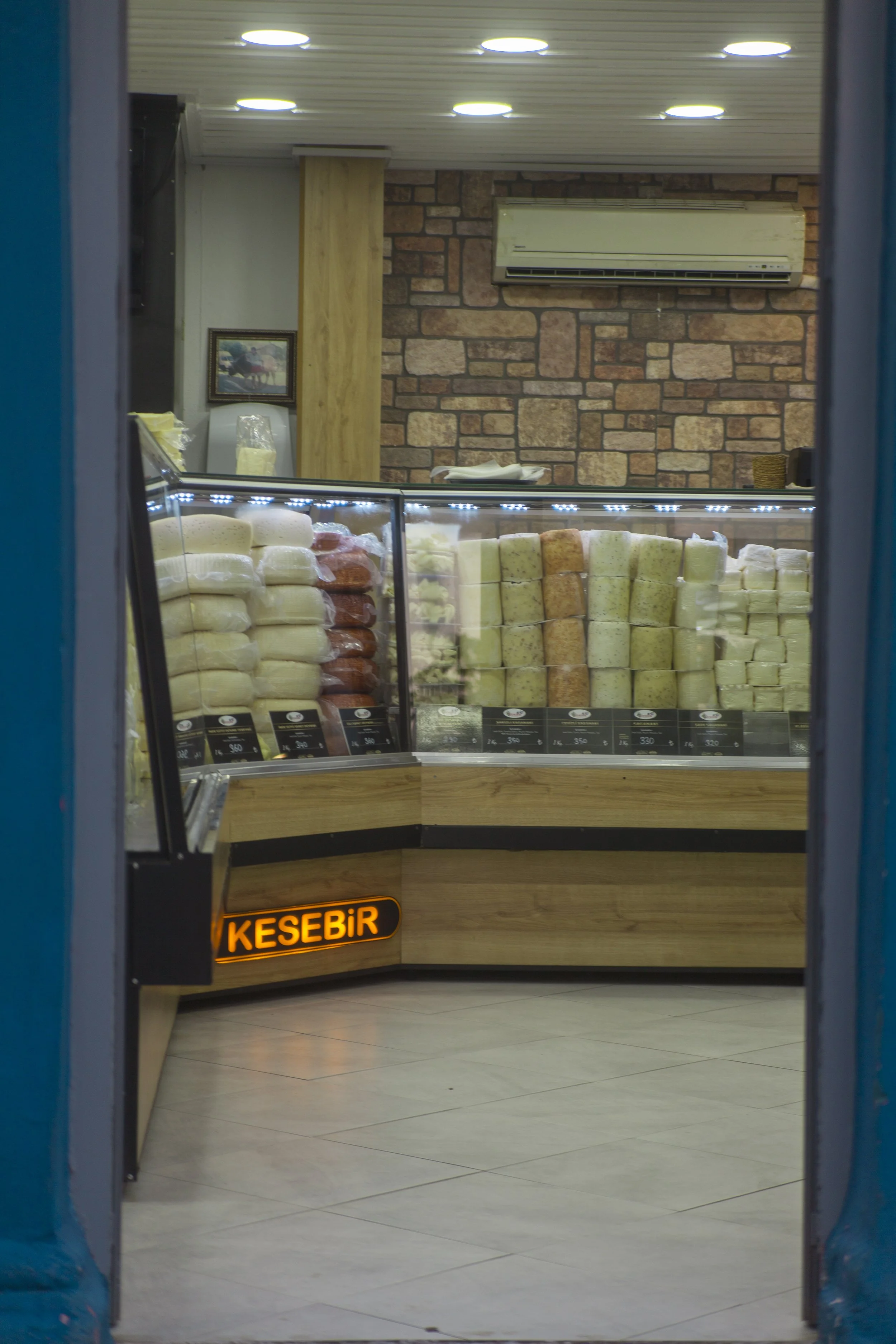
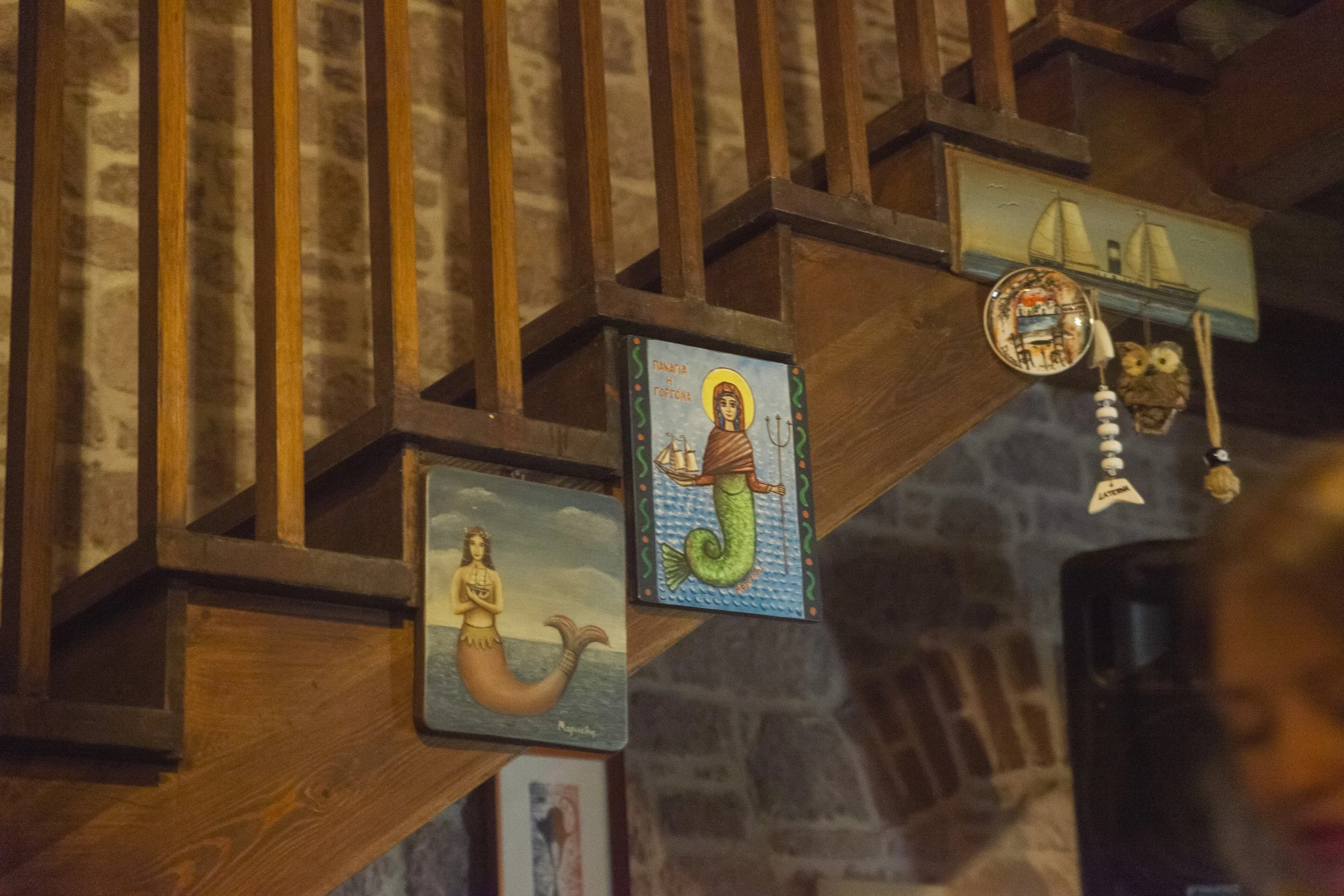
But talking about drinks, Murat’s favorite was ouzo, which is generally cheaper to buy on a trip to Lesbos than in Turkey, where alcohol is taxed, and we would be always happy to join. We were also introduced to this unique juice drink, called şalgam suyu, which reminded us a bit of the Boza we had drank in Bulgaria. Murat, who is great at enjoying life, would organize evenings on the pier, line fishing in the dark, and sipping a drink. Funnily enough, Murat was also an avid better on both horse racing and football matches.
The ecosystem of the waters was something that we discussed a few times with Murat, as the fishing season was about to open, and Murat had a life of expertise on the sea. He talked to us about the overfishing of sea cucumber that had taken place over the years for Chinese customers, and of the decimation of other species too, such as octopus.
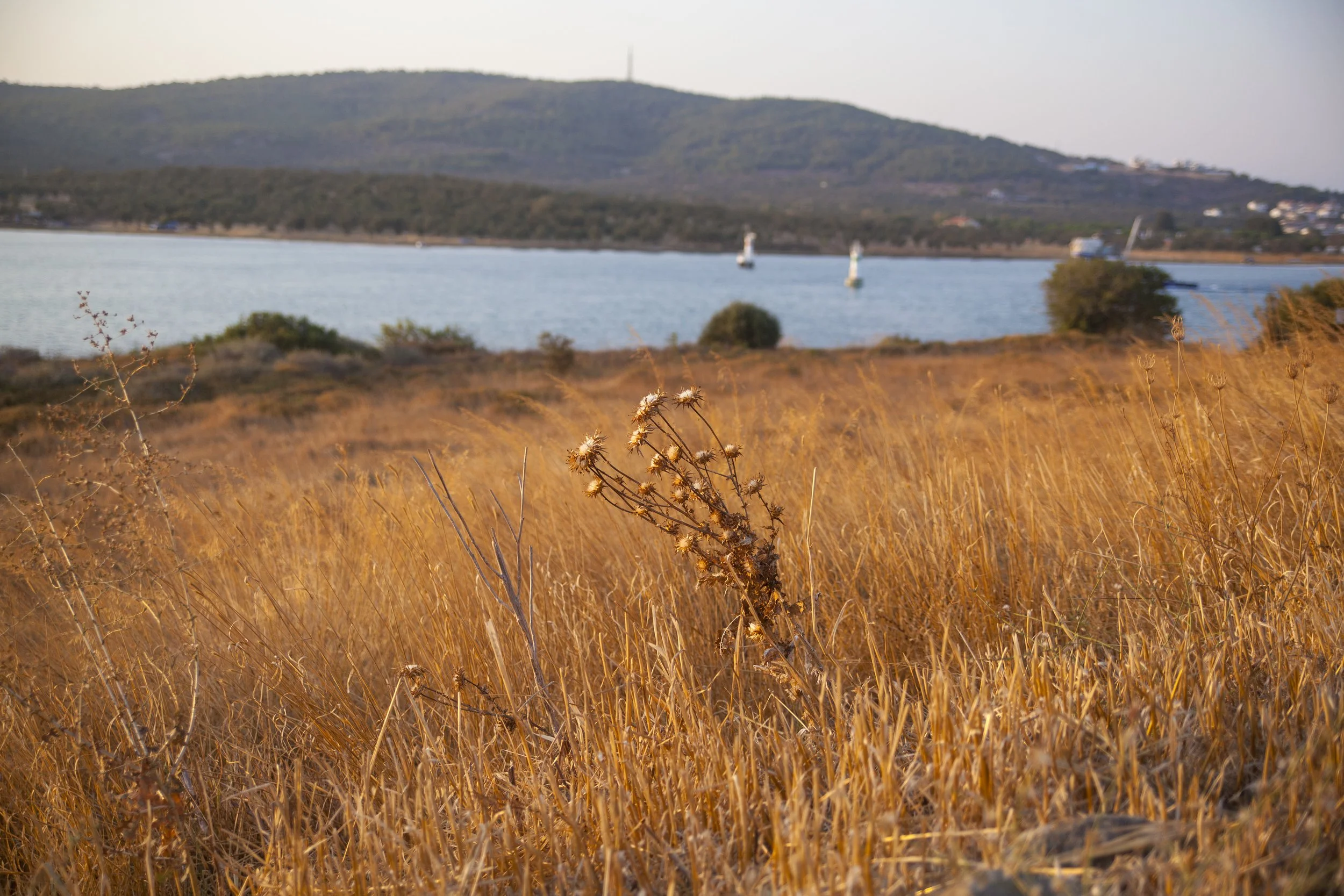
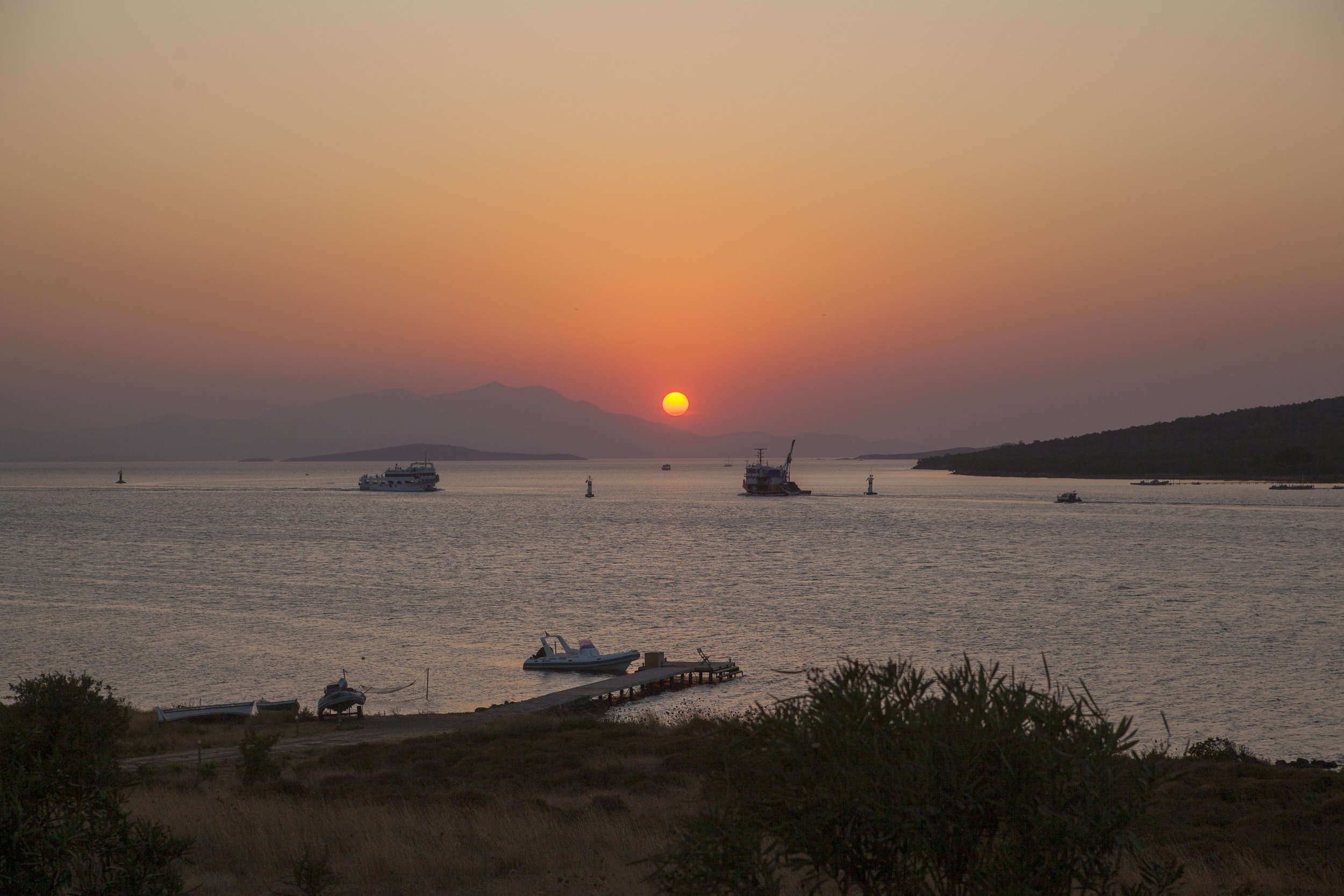
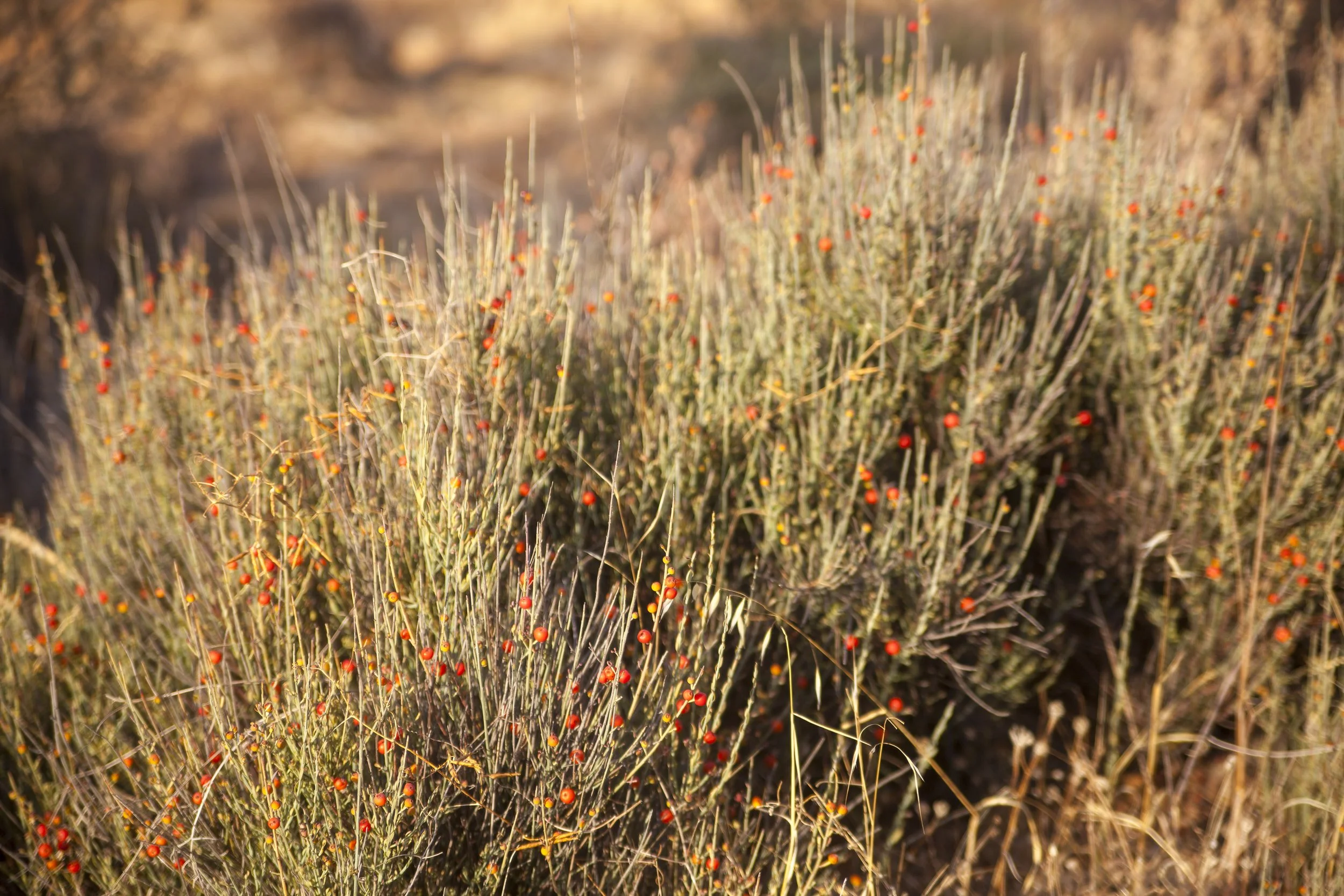
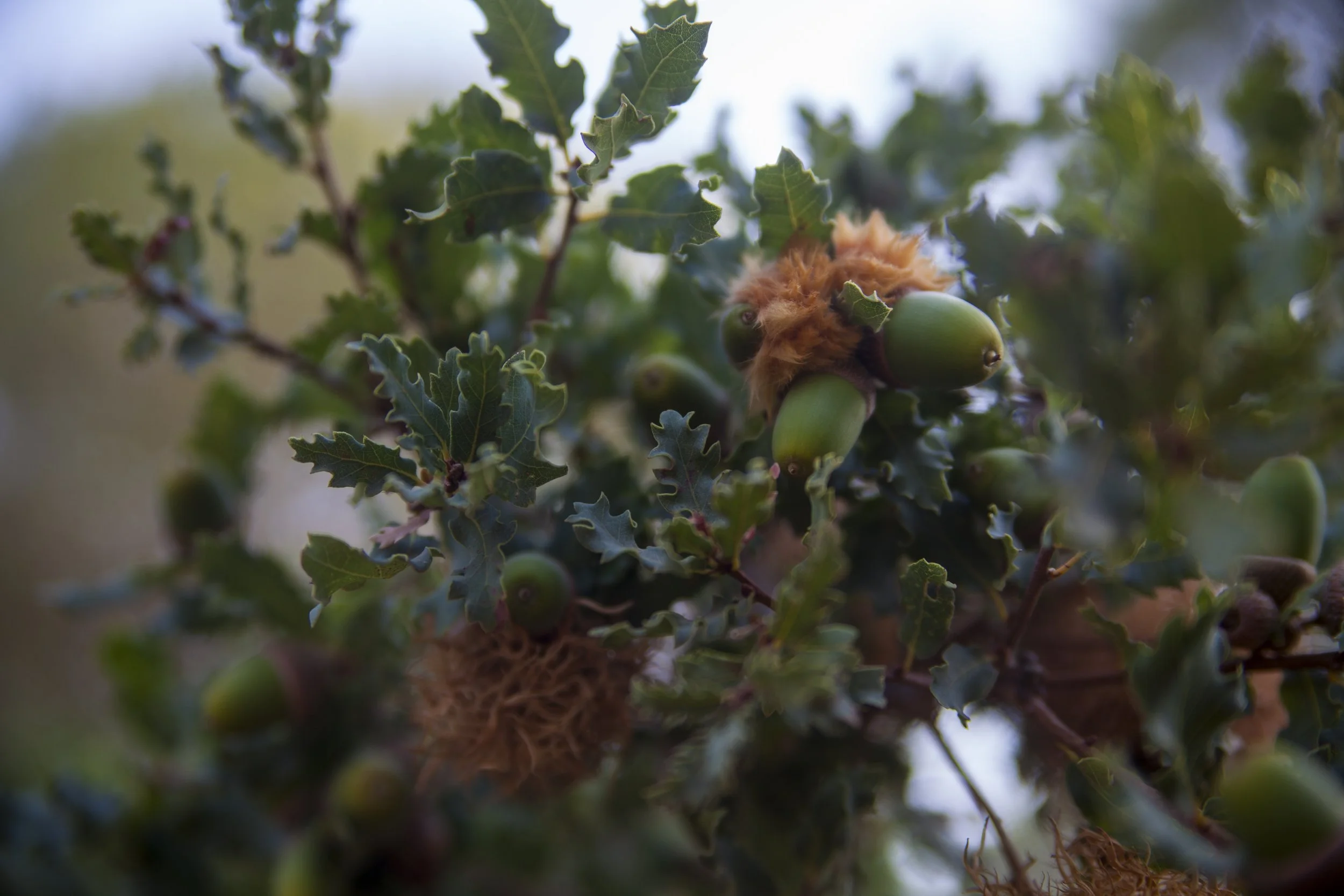
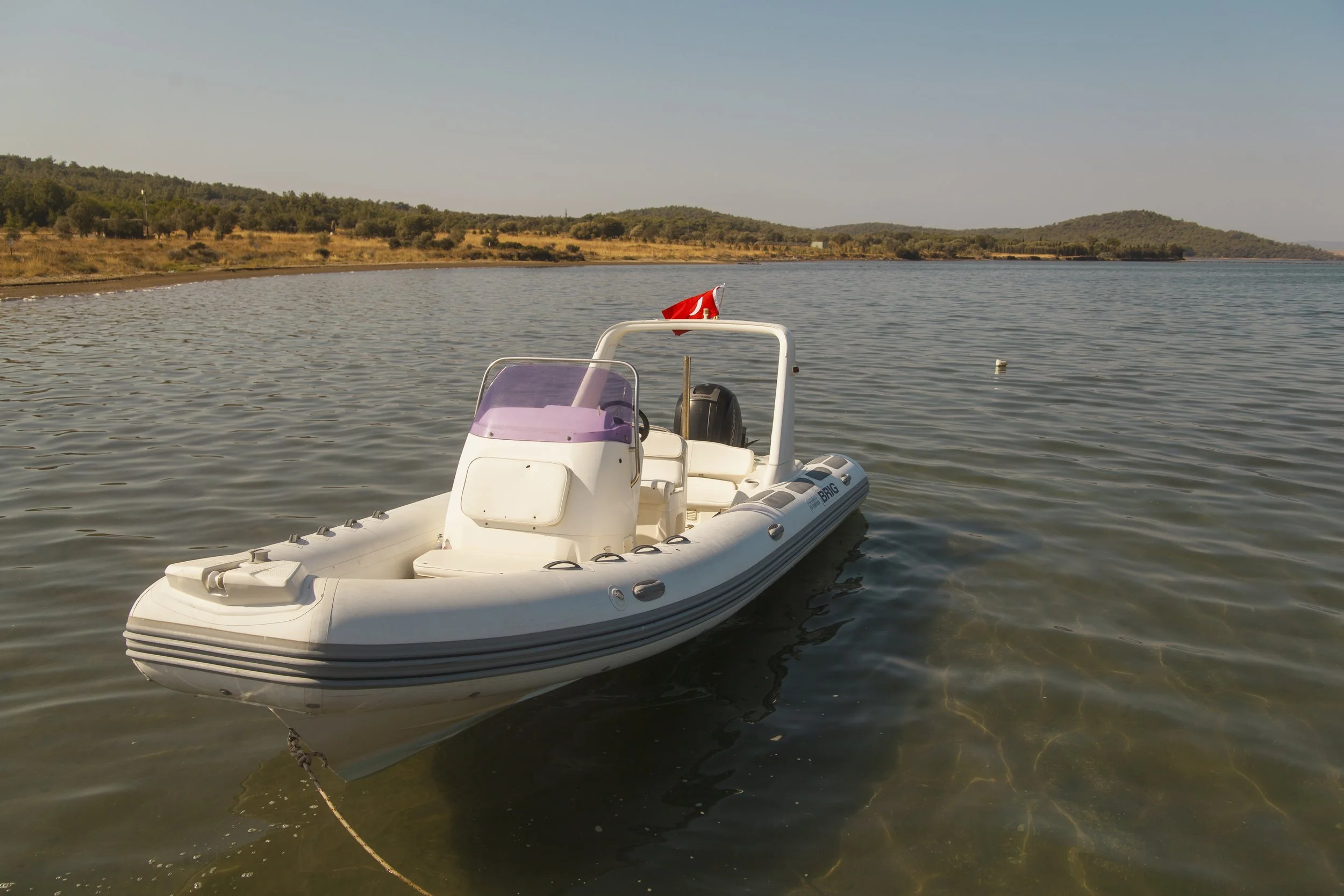
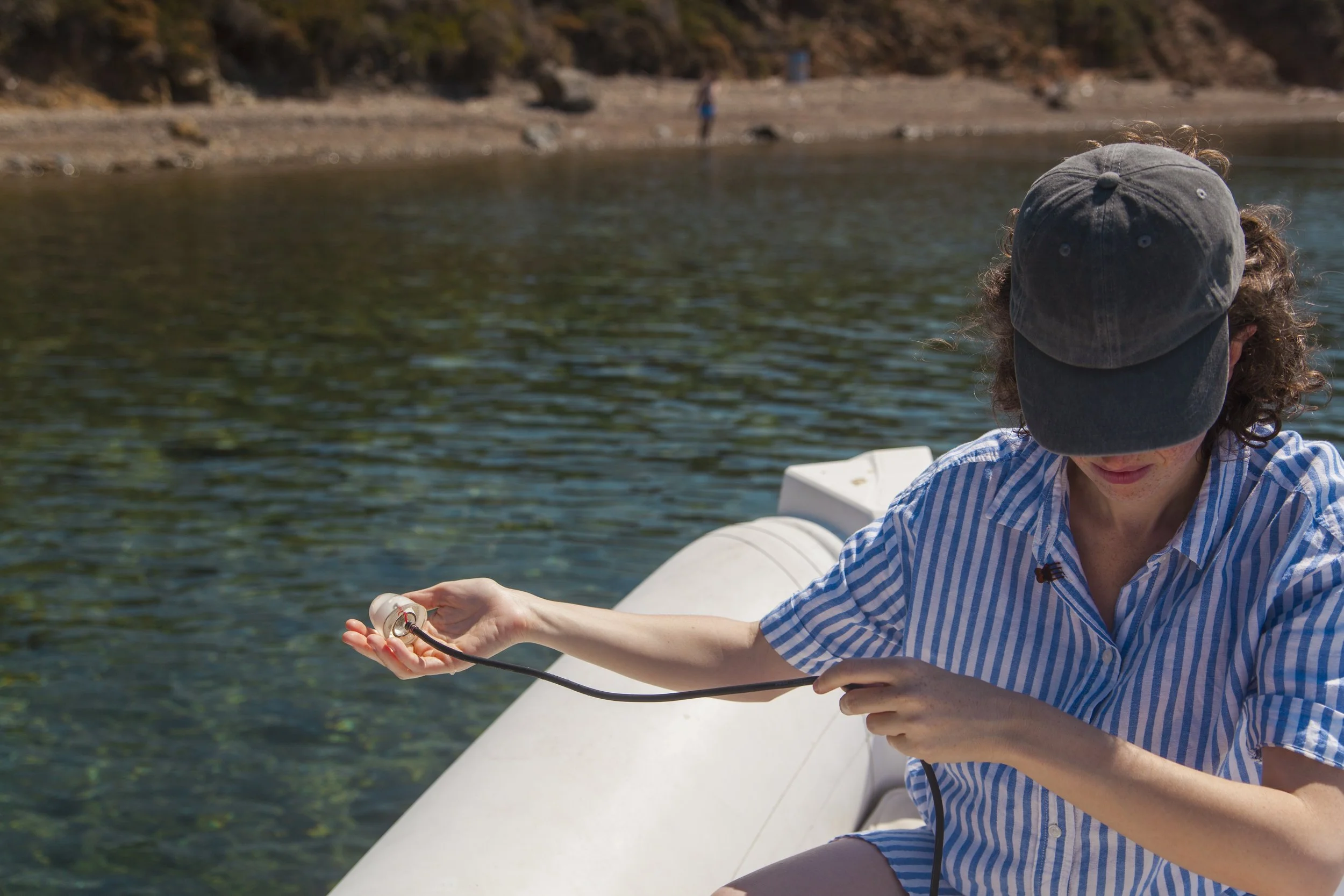
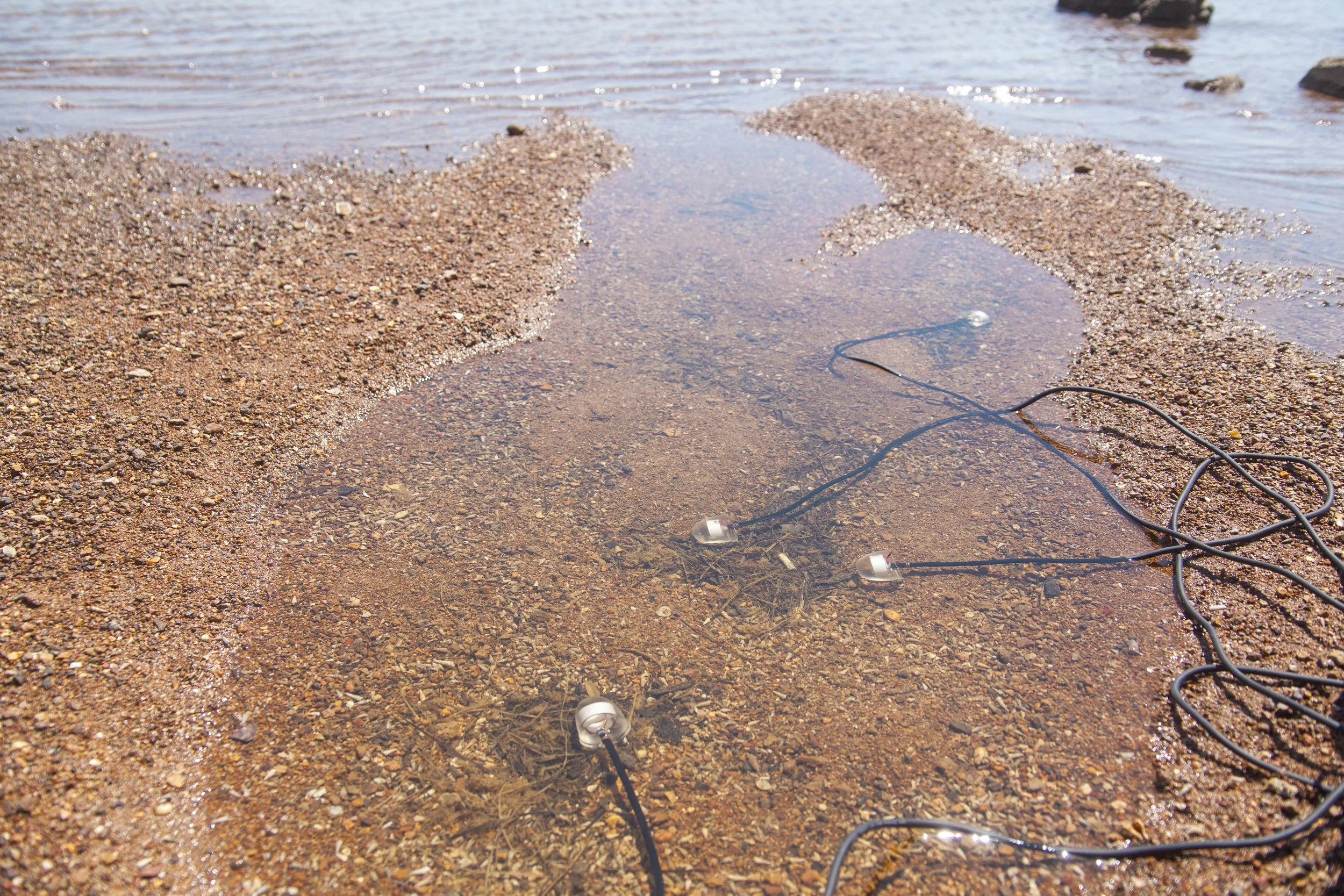
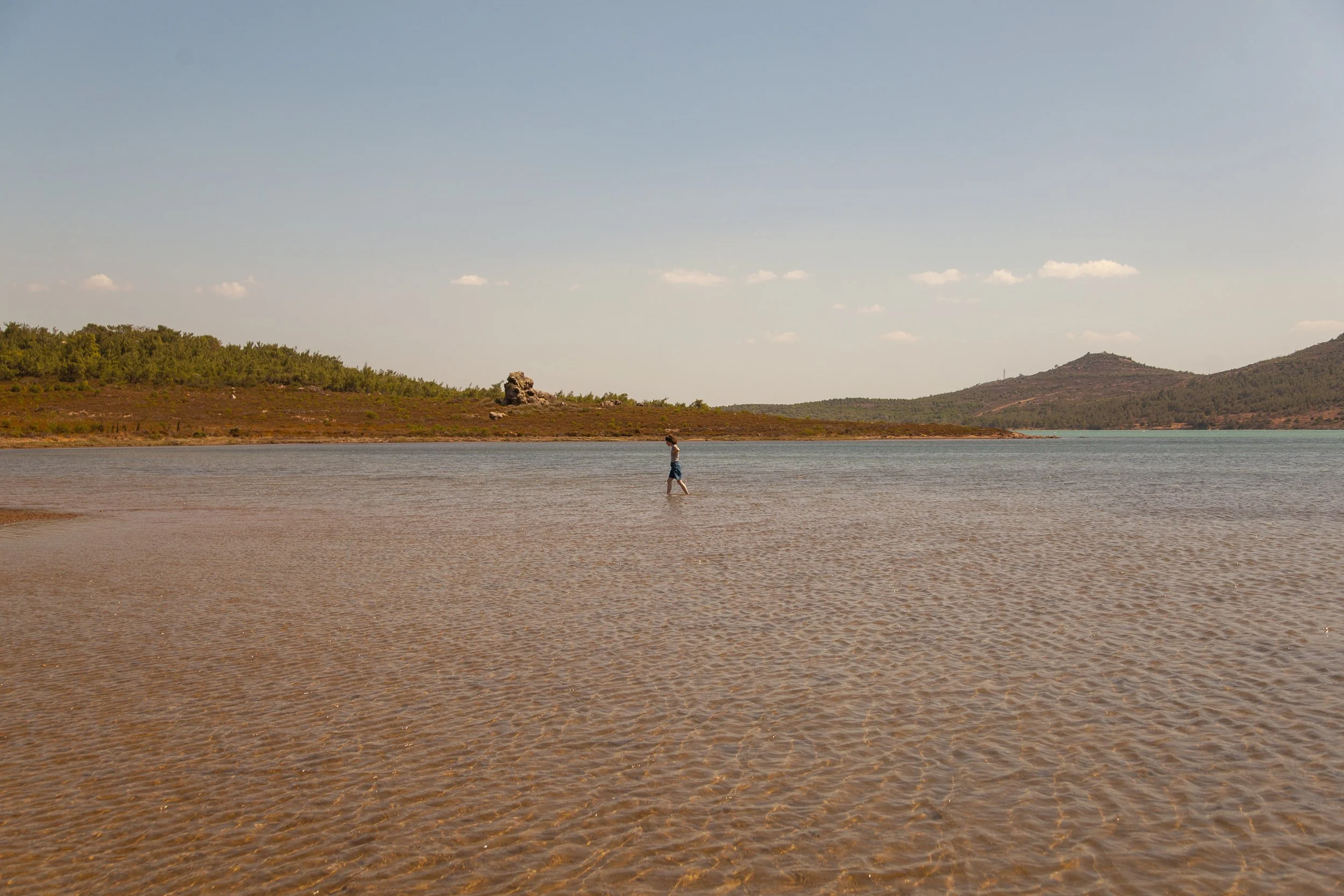
But the waters were our primary interest for sound after all, and with Murat we would be driving the boat to different locations, we would dip our four hydrophone set up, and stay listening for some hours to everything that was happening underneath. The waters were really our theatre stage, where we could look at every boat passing by, private airplanes landing on the water, swim for hours, observe fish, listen to music that was being played on the island across, being mesmerized by the reflection of the lights at night. But the land around the house was as beautiful as the waters, burnt colors, rocks inhabited by crabs, a solitary fox roaming, contorted century-old olive trees punctuating the land. Overall, we recognize it was really an honor, a privilege, to be in contact with such beautiful nature in such a daily intimate manner.
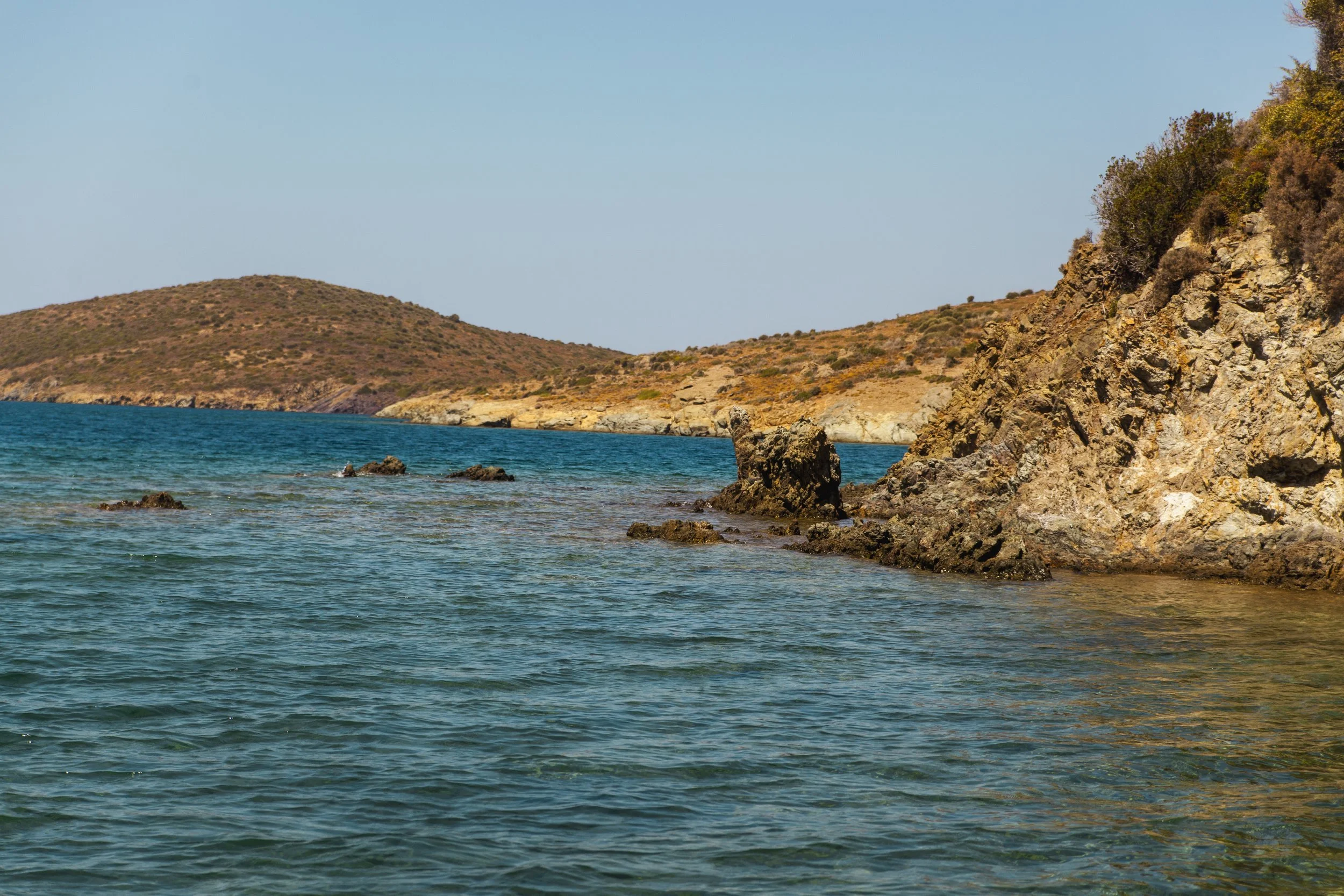
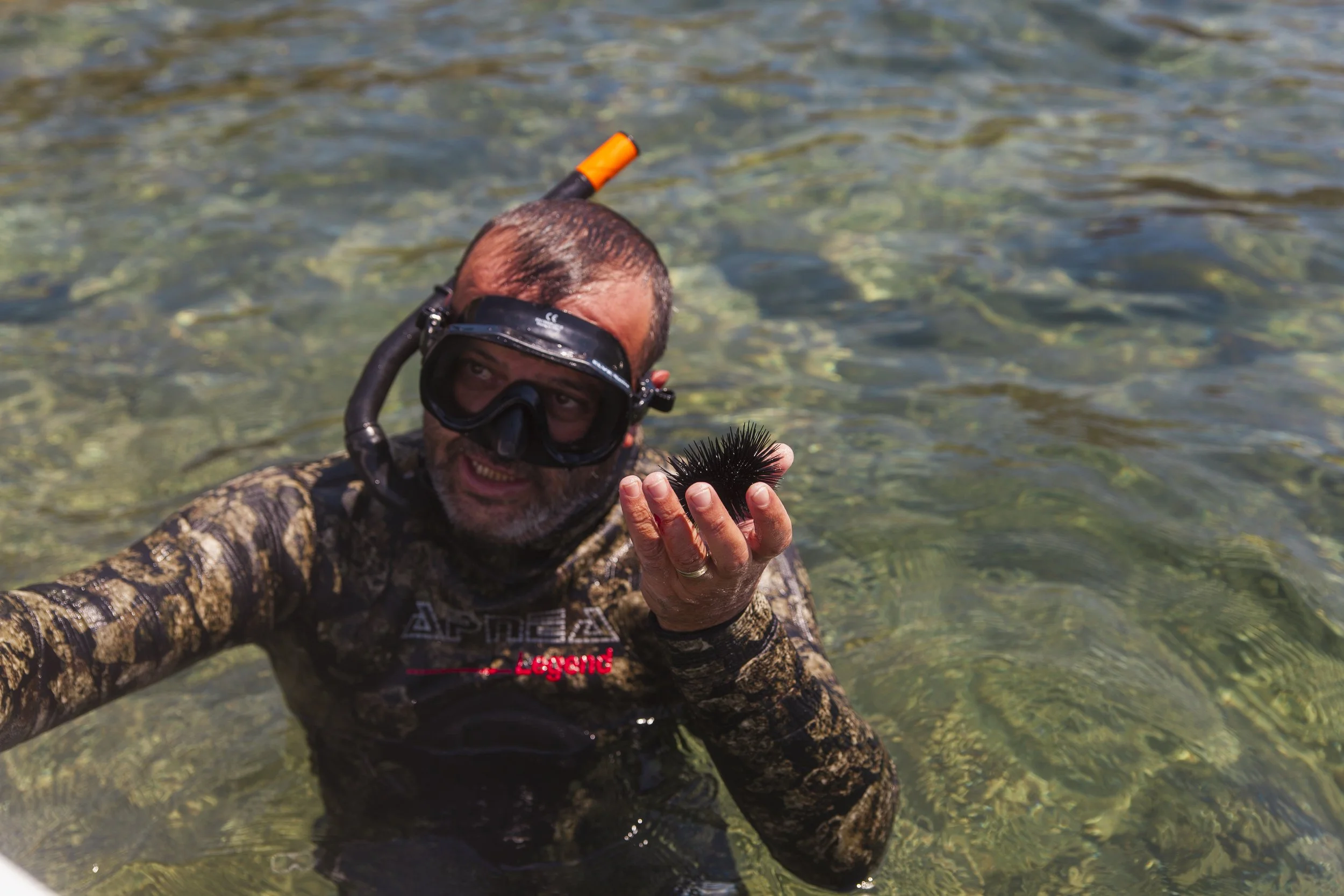
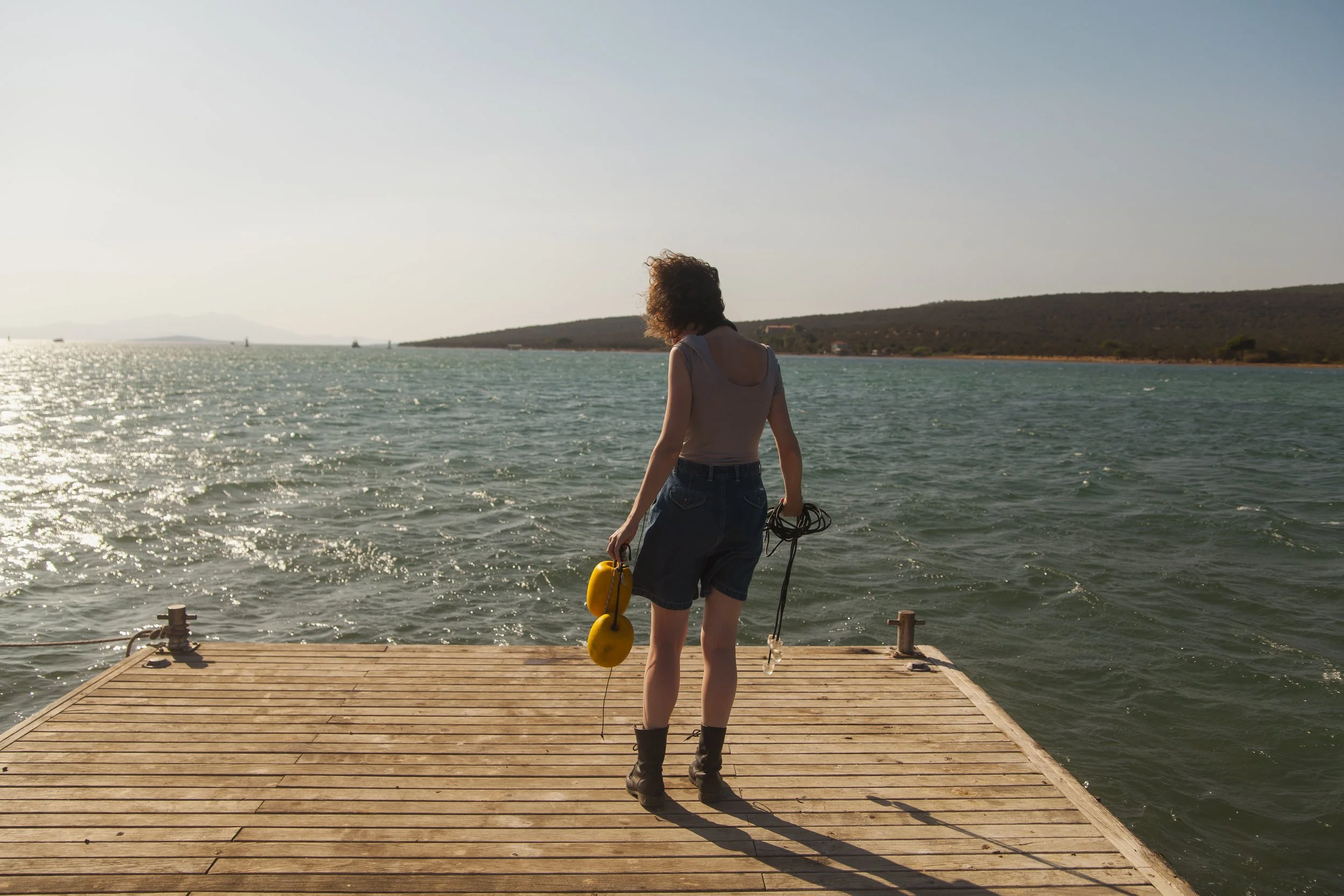
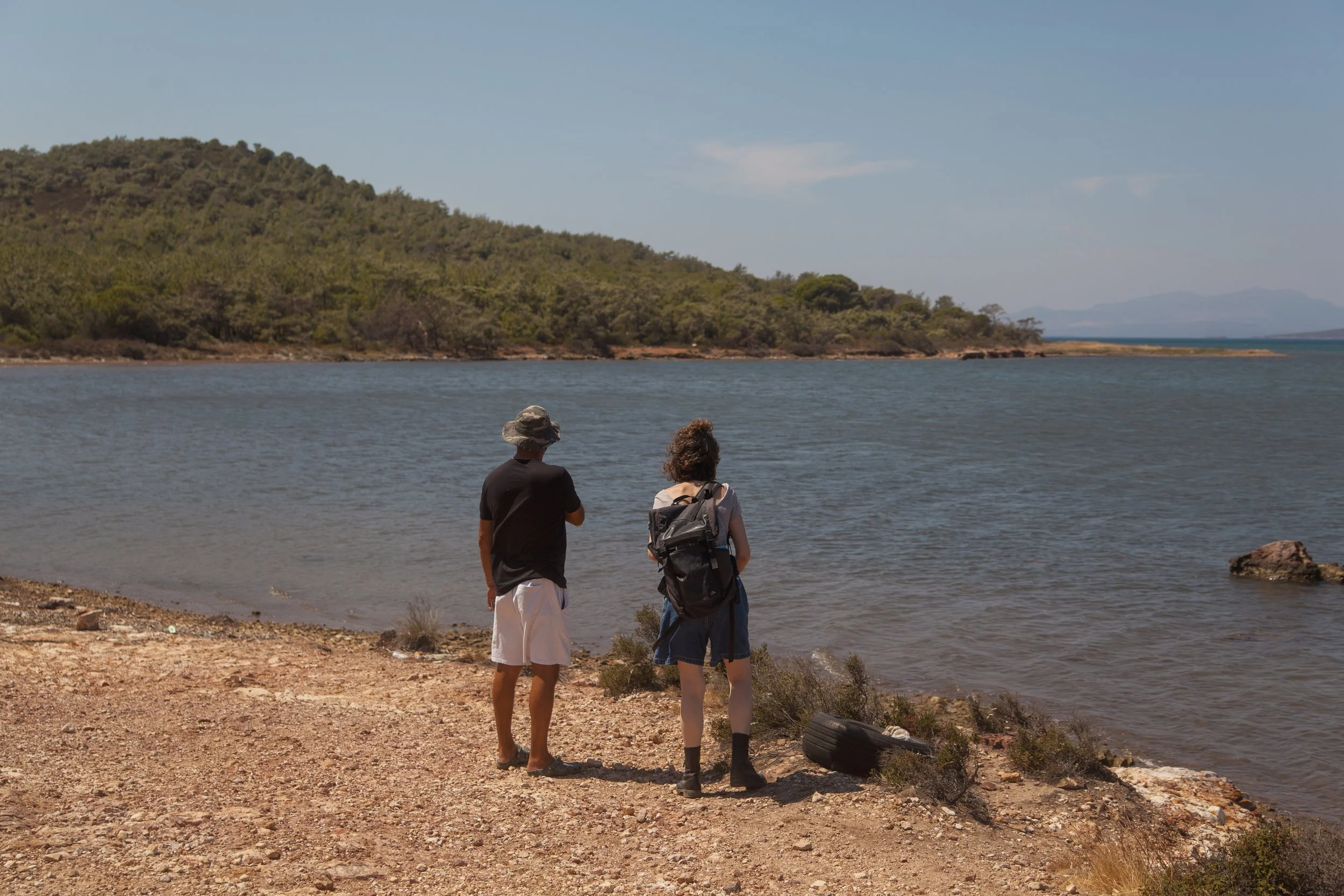
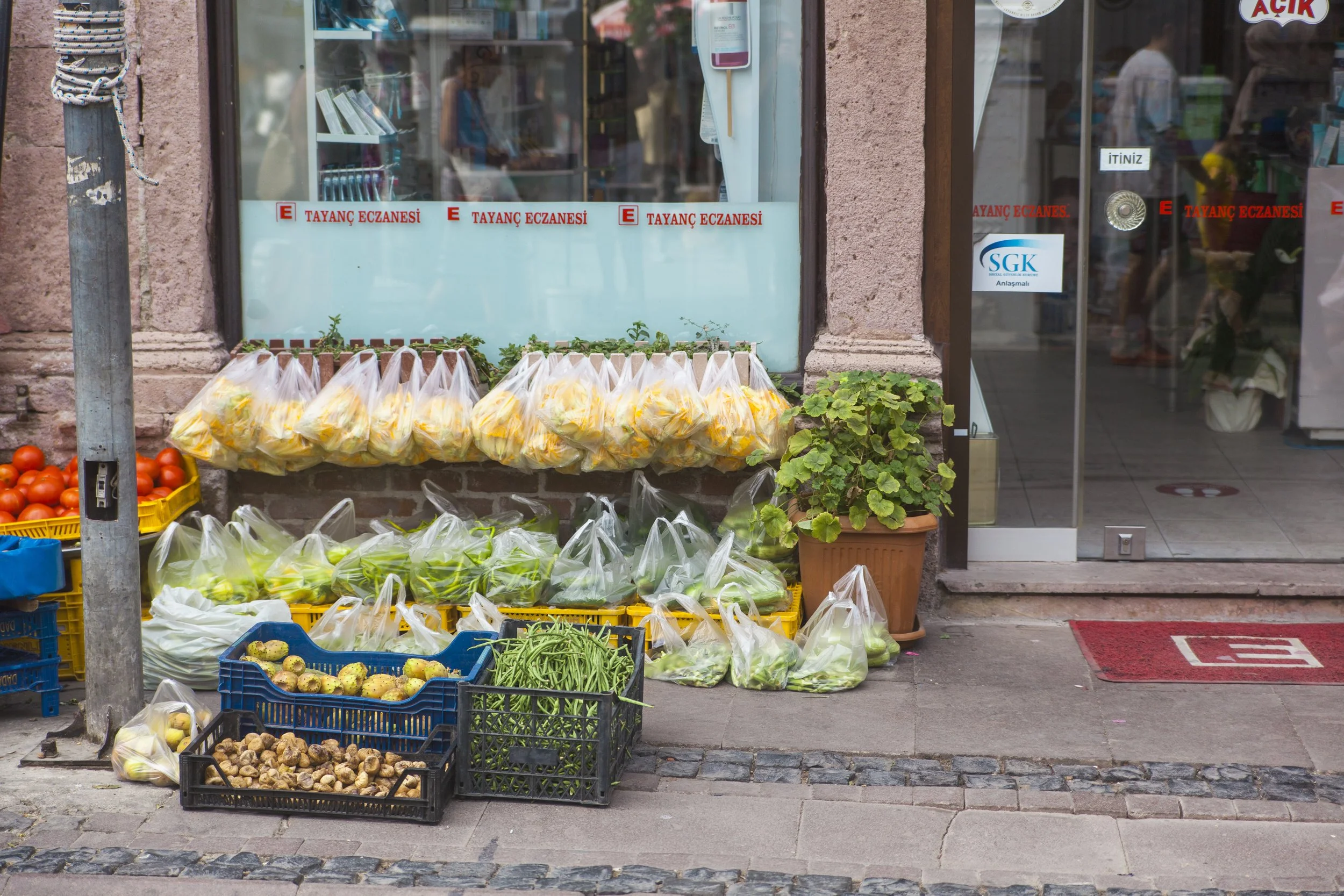
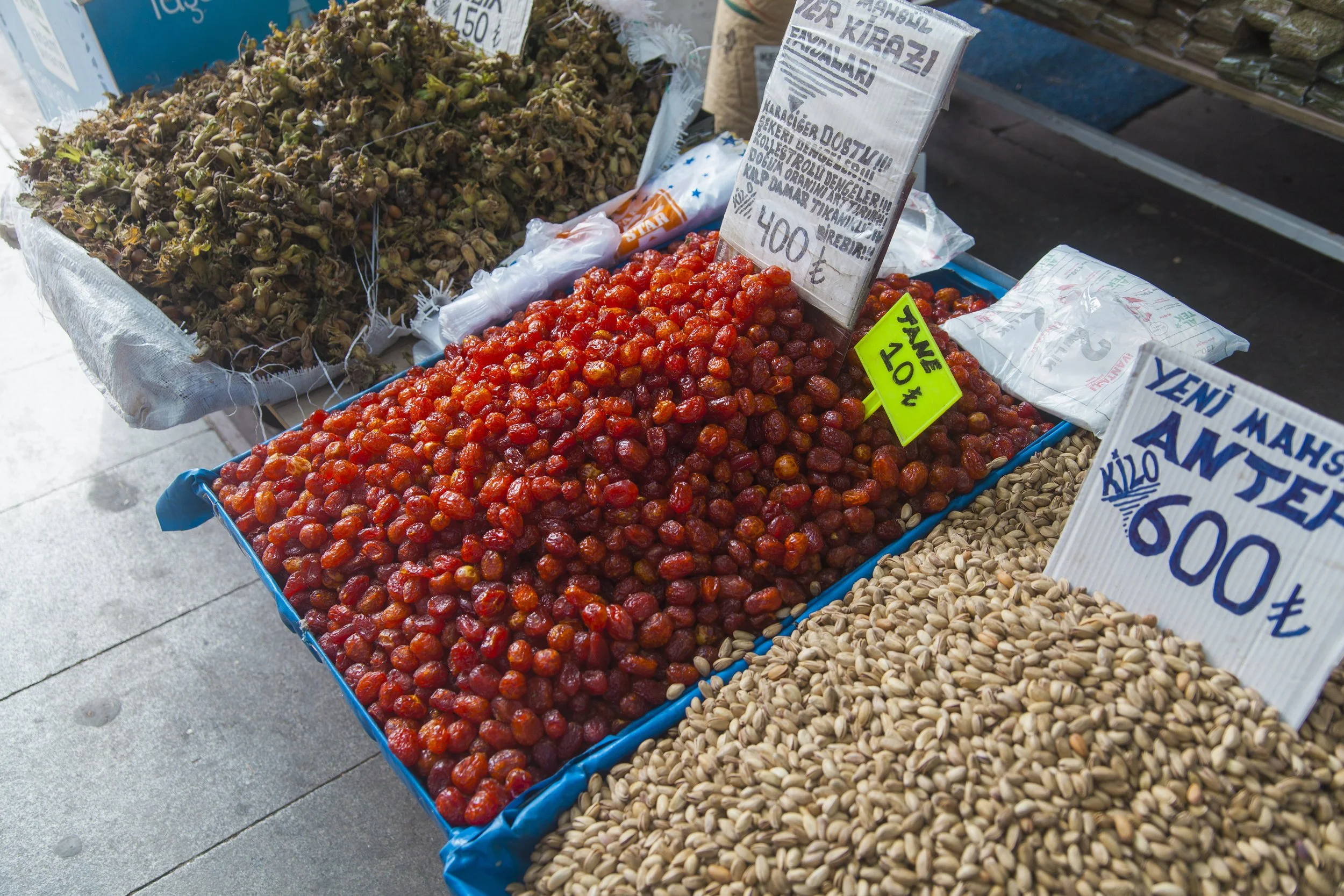
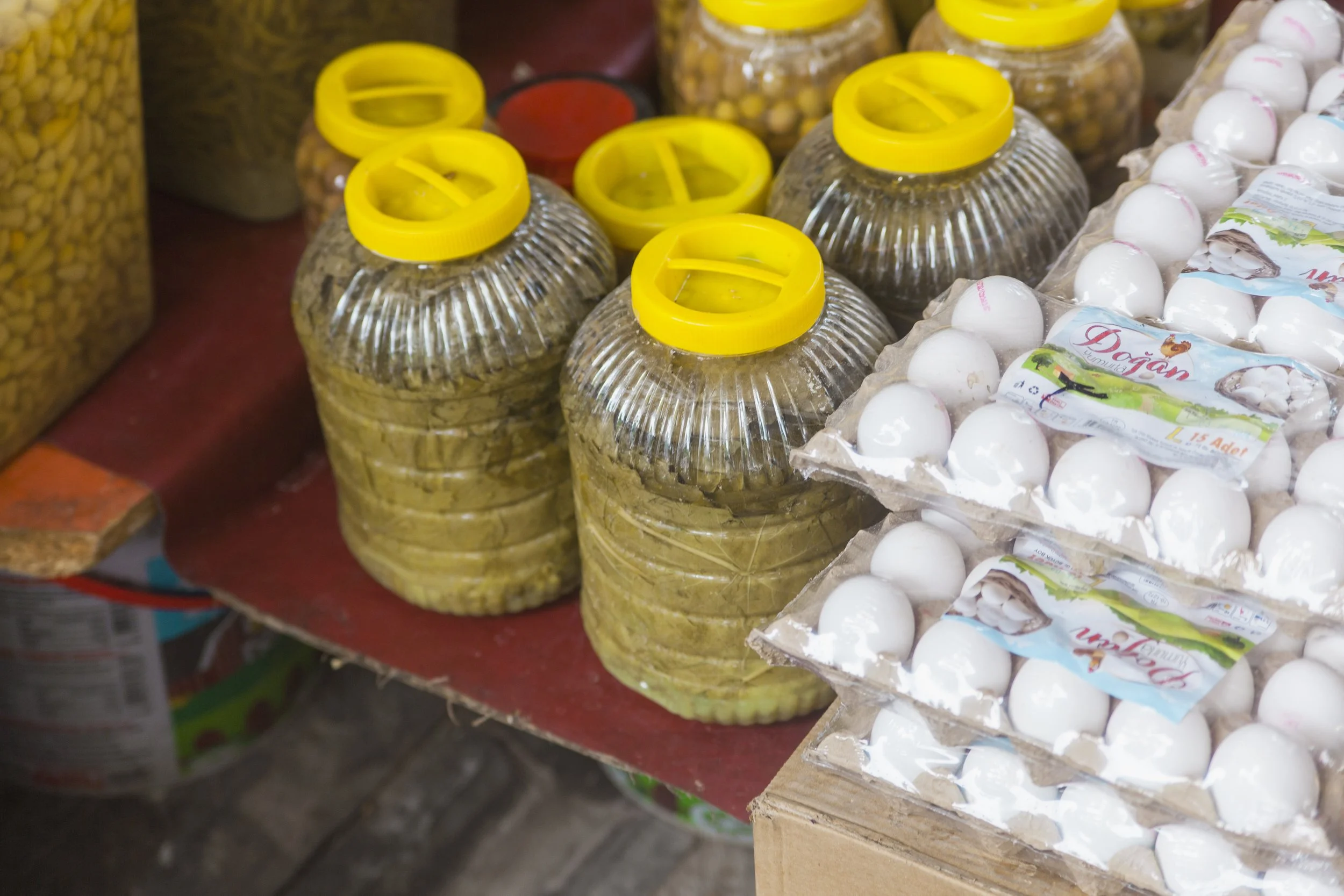
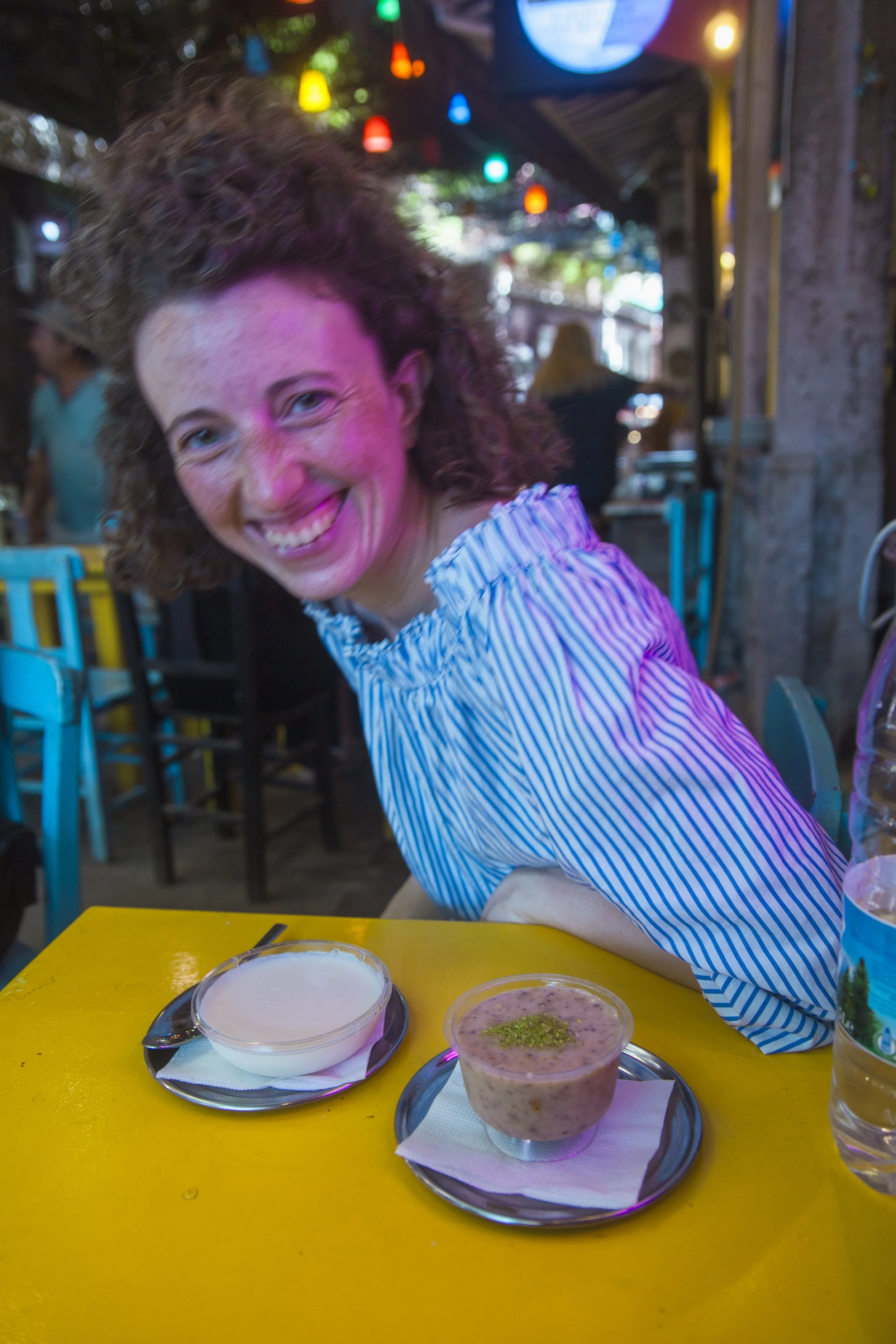
The house was guarded by two trustworthy friends, a cat called Poncik and a dog, both of whom would be eagerly waiting for a part of our dinner any time we decided to eat on the terrace. Talking about food, we had some very interesting meals prepared by the house, that we found out were actually very familiar traditions for Burak too: for example, we had and entire plate of yogurt on fries. On the other hand, specialties of Ayvalık are not particularly gourmet either, for example the toast or a dessert with melon; what we really liked though were the almond and mastica puddings at Macaron Muhallebicisi. In town we also got to see a dance performance one night, a production of a very young troupe at a venue called Fabrika.
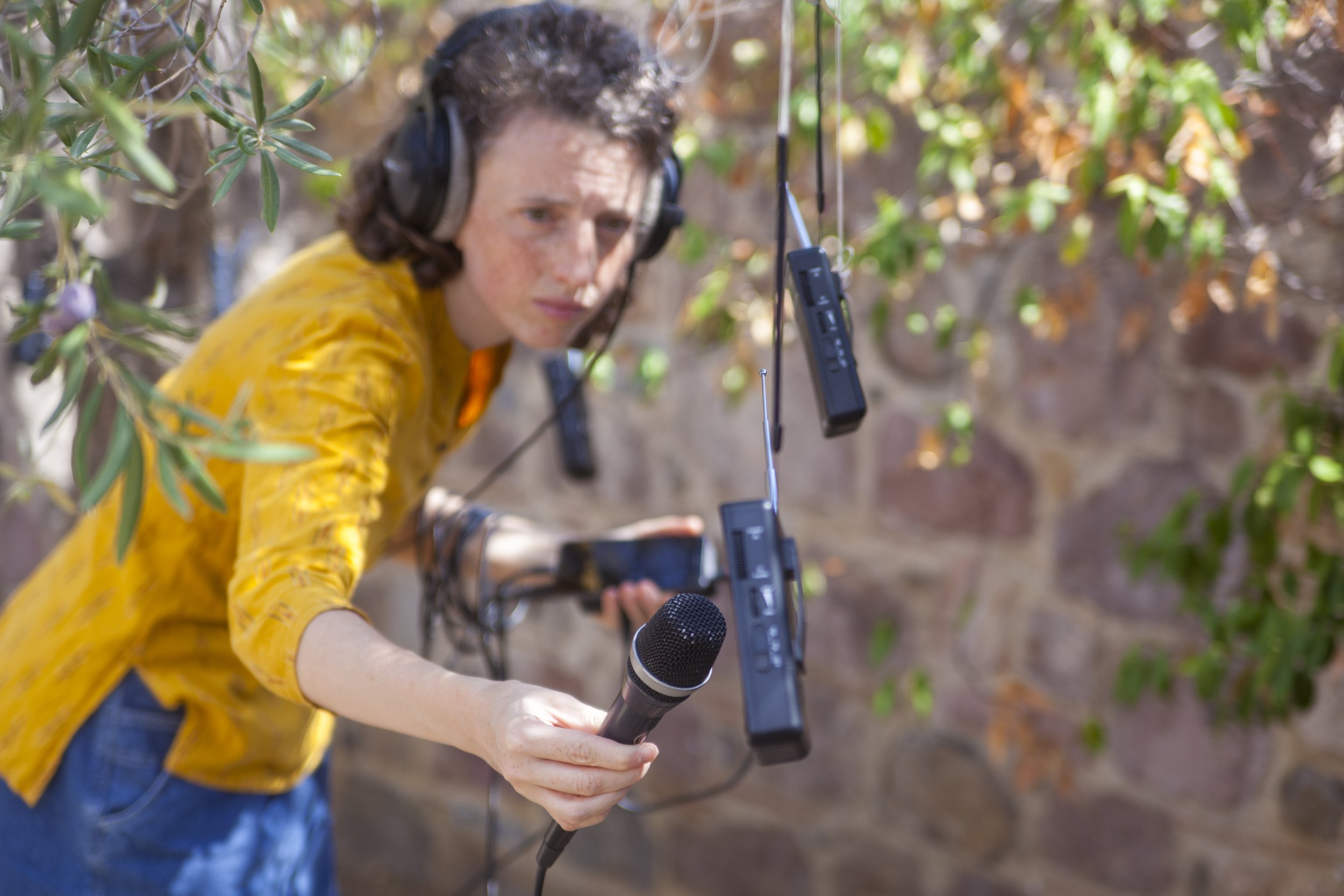
Completing a piece recording through microradio
We reached out to another cultural spot in Ayvalık through the figure of Beral Medras and of her daughter, who runs a ceramic laboratory called Santimetre Porselen.
After leaving our residency, we spent a few days in Istanbul where we were set for an interview with Açık Radyo and for a performance at the green rooftop of Salt.
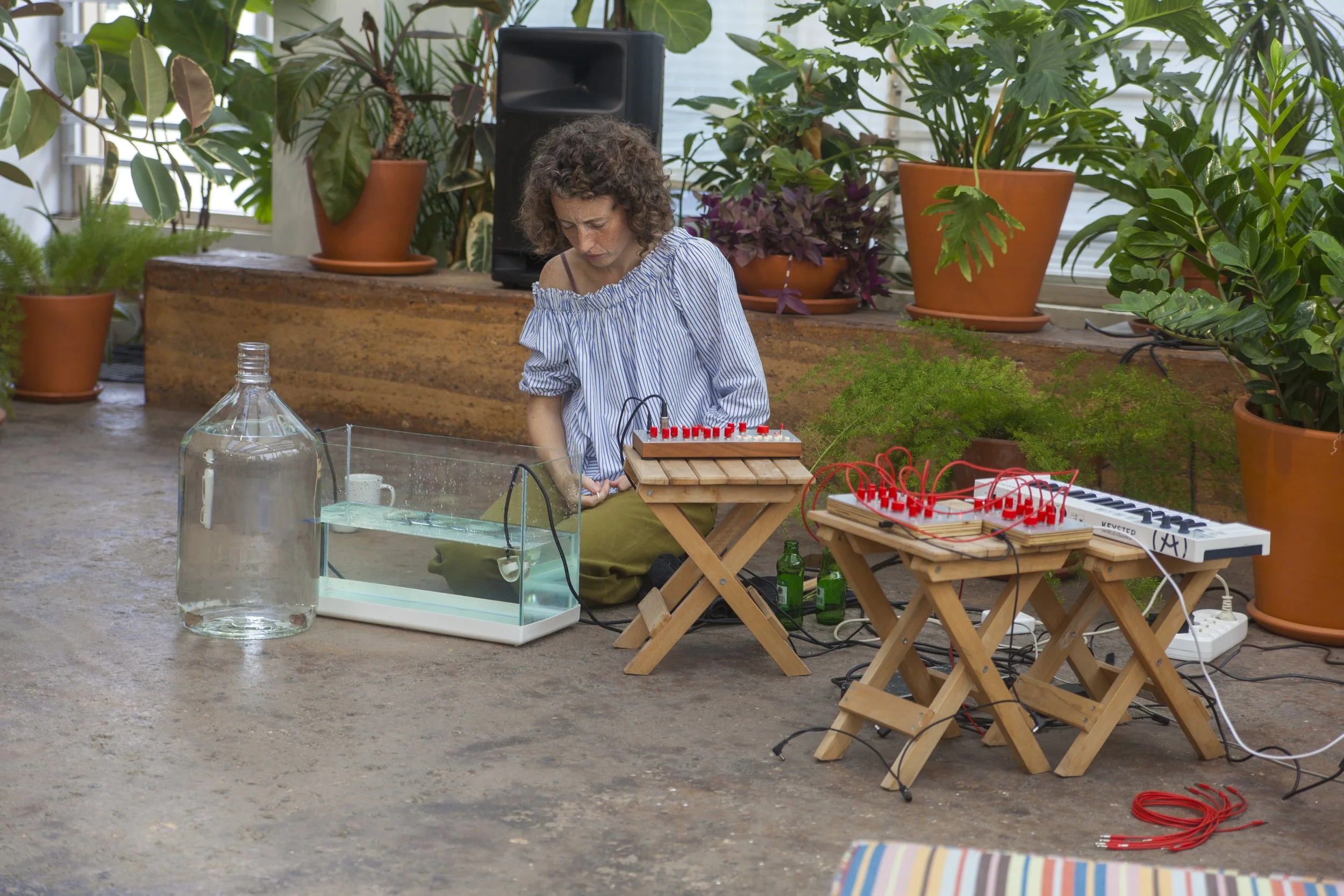
Performance setup at Salt in Istanbul
Armenia: A Refuge For Some
Chengdu: The Last Customer
Another Japan, a Different Rhythm
Russian Salads for a Georgian Christmas
India & Nepal: At the Confluence of Many Cultures
Vietnam: a Country That Looks Like the Sound of its Language?
Japan: the Commuting Life
Morocco: Not a User Manual
Mexico: “The Promised Land of Abstract Art”
Chile, Argentina & Uruguay: Winter in Summer
Colombia & Peru: Siempre Tocando
The United States: Rogers Art Loft & the Watermill Center
In January 2022, we arrived in the US for the first time in about three years. We spent three months in the country for two artist residencies, Rogers Art Loft and The Watermill Center, that were both productive and enjoyable, and more than replenished our collective quotas of US culture and dramatic western landscapes.
Czech Republic: Underground Scenes and the Automatic Mills
Tunisia: New Music on the Edge of the Medina
Our trip to Tunisia in November 2021 was our first time leaving Europe since we came back from China in July 2020. Even if we spent the entire year traveling to different countries for concerts and residencies, there was something particularly exciting about this trip, and it truly lived up to expectations in introducing us to a completely different cultural landscape.
Ireland: Art and the Inagh Valley
Portugal: Taking Daylighting into the Sun
August 2021 brought Passepartout Duo to Portugal. While in residence at De Liceiras 18, we played six concerts throughout the country in Lisbon, Porto, Coimbra, and Valbom. It was a fantastic introduction to a country with an exceptional music scene filled with passionate artists and musicians of every kind.